Category Archives: Writers

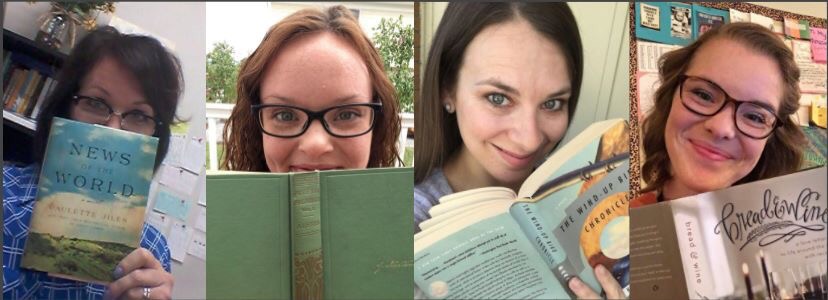
What Are You Reading?

I don’t know about you, but I have a few things on my plate right now. If the number of tearful, fretted, “I can’t do ALL of this” conversations I’ve had in the last few weeks are any indication, your plates are pretty full too.

Teaching does not look kindly on a work/life balance, and I’ve spent 15 years trying. And while minimizing these very real demands on our time doesn’t make any of them go away, take less time, or command less of our attention, I personally could use a little check-in on my reading life.

The first few weeks of school, when establishing a workshop routine in my classroom, I teach students about the brain benefits of reading, the academic benefits of reading, the stress reduction associated with reading, and then…I find myself struggling to find time to read. Well, that’s not true. I find the time, and then I fall asleep. No book is to blame. It’s me. I’m tired. I also feel that I can confidently speak for most of you, in that you’re tired too.

What we need, in my humble opinion is a little book club-esque support. I often have my students quickly share with each other what they are reading in order to promote expanding community around a reading life, provide opportunities to grow our classroom libraries through bankruptcy inducing book purchases, and just talk about books to build excitement around books. It’s fast, it’s easy, and for bibliophiles like you and me, it’s exciting.

Now it’s our turn.

I’ll start:

img_6755

I’m reading Station Eleven by Emily St. John Mandel, and it is SO good. Dystopian in a fresh way (ironic when related to a worldwide flu pandemic!), this story weaves together the lives of several intriguing characters across decades, miles, before the fall of world civilization, and after.

I’m loving the author’s style as she reveals details to start a chapter, but jumps back in time to provide the context. This book is uplifting, soul-crushing, page-turning literature. Seriously…it makes me realize that my full plates might  not be so bad after all, if the alternative is the Georgia flu which arrives on a plane from Moscow and wipes out 99% of the world’s population.

Your turn! Let’s talk about books! #3TTReads

  1. You can comment below

  2. Post a comment on our Facebook page

  3. Tweet your current read and/or a photo of your own shelfie on Twitter, @3TeachersTalk with #3TTReads

Can’t wait to catch a glimpse of your reading lives!


Lisa Dennis teaches English and leads a department of incredible English educators at Franklin High School near Milwaukee. Along with Station Eleven, Lisa is finally reading Jane Eyre by Charlotte Bronte. It is her sincere belief that we become better readers two books at a time. Follow Lisa on Twitter @LDennibaum 

What if We Teach as if Teaching is a Story?

Sometimes I feel like a fraud. I spend all this time thinking, talking, teaching, and writing about workshop, and I love it, honestly– but sometimes teaching beats me up. You know?

Students ignore my feedback on their writing. They refuse to capitalize their i’s. They grab a random book off the shelf during reading time, thinking I won’t notice. They lie.

And usually I shake it off, tighten up the gloves, push off the ropes, and go for another round. But sometimes I don’t wanna.

When I get like this, and thankfully, it’s not too often, I have to stop and remind myself I possibleam teaching children. Teenagers, yes, but still kids who are not intentionally trying to drive me to an early retirement. They just don’t feel the passion for books, reading, writing, and language like I do — yet. Many have played the game of school so long they don’t see that they could actually like it if they’d play a different way.

Teaching is a puzzle, isn’t it? That’s what makes responsive teaching so important. We have to keep trying so all students have the learning experiences they need to grow, to change, to become.

Last week I attended a professional development meeting with George Couros, author of the Innovator’s Mindset. I jotted tons of Couros’ quotes in my notebook, all important to the kind of teacher I keep striving to become:

“How do you cultivate questions of curiosity and not compliance?”

“Data driven is the stupidest term in education.”

“Your childhood is not their childhood. Nostalgia is what gets us stuck.”

“Relationships matter! Nobody in this room is as interesting as YouTube. If you are all about the content, you are already irrelevant.”

“You need to make the positives so loud that the negatives are hard to hear.”

“Would you want to spend the whole day learning in your own classroom?”

“Every day is where your legacy is created.”


I think the workshop classroom IS the innovator’s classroom. It’s process over product and the whole kit ‘n caboodle.

8-characteristics-of-the-innovators-mindset

We are the risk takers in Secondary ELA. We advocate for choice and challenge. We confer with students, reflecting on their needs and on our practice — maybe more than those teachers who reuse lesson packets with their novel studies. We improve our instruction by networking and sharing ideas on mentor texts (check out this thread), assessments, mini-lessons, and how to match students with the just right books. We start with questions and often end with them as well.

No wonder it is hard.

Lately, I’ve been rereading Tom Newkirk’s book Minds Made for Stories (3TT is presenting at #NCTE17 on narrative with Tom as our chair.), and I keep coming back to this little bit on page 43:

Two Absurdly Simple Rules for Reading and Writing

If we had to pass on advice, under the limitation of twitter characters, here would be my advice for writers and readers:

  1. Read as if it is a story.
  2. Write as if it is a story.

More than ninety characters to spare.

Now, what does that have to do with this post on one teacher’s weariness, some student attitudes, and workshop as innovator’s mindset? Maybe everything.

What if we teach as if teaching is a story?

Newkirk asserts, “Reading. . . is not a treasure hunt for the main idea; it is a journey we take with a writer.” He explains that in reading we seek patterns of anticipation, tension, and resolution. We seek experiences.  He states, “. . . it makes basic sense to read dramatically, even when what we read does not easily fall into any dramatic genre… we can dramatize just about any text. We can ask what is at stake. What problem, issue, “trouble” is prompting the writing? What needs to be solved? What are the contending positions or alternatives?” In reading we take action as we link ideas. “Good writing has a sense of motion, pace, anticipation, and . . . “plot.” Critical reading is all about friction–trouble” (44).

Newkirk asserts that this provocation is equally valuable in our own writing: “What situation . . .calls for explanation? What problem [will] my writing solve?” These questions imply “a need to have our say” in response to the “tension, a friction, a puzzle, and incompleteness” our questions provoke. He writes, “If we’re only saying, “Me, too” or “I agree,” endorsing what everyone believes, arguing for the obvious, making no “news,” there would be no call to continue the conversation. Nothing is caused” (44-45).

There’s so much more in this book by Newkirk, and maybe it’s a stretch to think of teaching as if teaching is a story, but try this little exercise:  read that bit from Tom’s book again through the lens of teaching instead of reading or writing. Do you see it?

Workshop teacher-friends, we are on a journey. Many of us take risks on our campuses, going against the norms of traditional practices, feeling the tension when we offer ideas in planning meetings. We feel the friction from students set in routines that have left them weak in literacy skill and lacking in desire. We cause friction. We generate energy. We dramatize everything we love about books and authors and reading. We foster stories of change as young people begin their own journeys into more robust reading and writing lives.

And when we think it’s not working, we must remember we asked for it. (I asked for it.) We “caused” because we care enough to take the path that leads to student growth. I’ll end with this by Newkirk:

“Our best chance to grow, perhaps our only chance, is to travel.”

Amy Rasmussen teaches AP Lang and senior English at Lewisville High School just north of Dallas. She loves to cause a bit of trouble, share her love of books (Have you read John Green’s new one yet? Sooo good!), go on long drives with her handsome husband, hug her grandkids, and share her passion for workshop instruction. Follow Amy on Twitter @amyrass and @3TeachersTalk — and if you’d like to contribute to Three Teachers Talk, send her an email, amyrasmussen7@gmail.com. We are looking for regular contributors.

Too Much Measurement Is Destroying Our Students’ Potential for Growth

“How many pages does our vignette have to be?”

“Wait, how many lesson plans do we have to turn in?”

“When you say one-pager, what exactly do you mean by one page?”

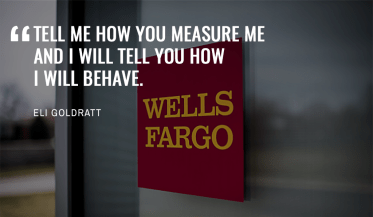
QUOTE_MEASURING-TEAMS.pngMy students cannot seem to get away from quantifying their thinking, this year and every year. To some extent, I understand this compulsion: despite living in a highly individualized culture, our education system prizes standardization when it comes to measuring student achievement. My kids have been indoctrinated into a culture of numerical evaluation for many years.

This has always bothered me, and my answers to these questions have varied: “However long it takes you to make your argument.” “Just write until you feel like you’ve said all you want to say, and then we’ll revise.” “Sixteen lesson plans, Joe. One per week. Good grief.” “One page. Single-spaced. Don’t be weird with your margins.”

Lately, I’ve honed in on how often we seem to want to measure the independent reading our students are doing, perhaps to prove the rigor of this practice or perhaps because we just can’t get away from quantification. If our goal is to build fluency and have students reading authentically and for pleasure, we can’t keep grading or measuring or tracking our students’ reading lives so meticulously.

A 2012 study, summarized nicely here, showed that the very act of requiring students to track their reading made them likely to read less than they would have to begin with. In contrast, students who were offered “voluntary reading logs” were actually more likely to enjoy reading, and read more often. It seems that choice is imperative.

Similarly, this article details a 2016 study which found that “the more you quantify something that’s rewarding for its own sake, the less likely you are to enjoy it—and the less likely you are, too, to do more of it.” Reading, for me, has always been rewarding for its own sake. This is what I want for my students, too, and perhaps the very reading logs and booklists I asked them to keep prevented me from helping them get there.

We’ve been thinking about alternatives to reading logs for some time, brainstorming ways to read the room between conferences, and our readers have offered this great list of possibilities, which includes:

  • Student-to-teacher booktalks
  • Padlet reading responses
  • “Status of the class” check-ins
  • Reading “focus discussions”
  • Student-created rubrics for self-assessment

If measuring makes us enjoy things less, but we are bound by the rules of school and have to grade things, it follows that we should do lots of qualitative, formative assessment like the methods listed above. And not just in reading–across the curriculum, in writing and speaking and listening, too. We need to move away from measurement and toward a less quantifiable, test-heavy classroom culture.

In this video (which I could just watch on repeat, because she is such a great combination of brilliant and adorable), Nancie Atwell explains how she “doesn’t believe in tests and quizzes,” and rather evaluates students daily through portfolios, discussions, and one-on-one conferences:

We may not all have an entire school of our own like Atwell does, but we do have classrooms of our own, where we can strive to create communities of individualized achievement and assessment. The goals we have for our students–to be impassioned, informed, lifelong readers and writers–are not goals that can be measured easily. Let’s get away from an obsession with quantification and work to move our students toward the immeasurable joys of becoming real readers and writers.

Please share with us how you and your students assess growth in reading, writing, and thinking! Leave a comment or share on Facebook or Twitter.

Shana Karnes is so over being pregnant, and looking forward to welcoming her second daughter into the world within the month.  She teaches practicing and preservice English teachers at West Virginia University and is fueled by coffee, sour gummy worms (this week), and a real obsession with all things reading and writing.  Follow Shana on Twitter at @litreader and read more of her writing on the WVCTE Best Practices Blog.


If These Walls Could Talk

We spend eight hours a day (Ha! Nine? Ten? Should I just sleep here?) in our classrooms.

Four walls, seating for 30 (Ha! 3img_66735? 78? Does flexible seating come in bunk style these days?), and an endless array of inquisitive minds, needs, and beliefs.

At Three Teachers, we speak with full hearts and buzzing minds about the opportunities that Readers and Writers workshop afford. From choice to challenge, talk to Twitter, and many, many elements in between, we explore, question, wrestle with, and embrace the opportunities that come with relinquishing control over a classroom to instead move together with our students as readers and writers.

As I look around my classroom this year, full of some familiar components (budget-busting classroom library, inspirational posters touting the beauty of words and books, and my space age rolling furniture), I also see evidence of my growth as a workshop teacher.

So, in much the same way that one might suggest that it’s what’s on the inside that counts, the following suggests some of the ideas I’ve collected from great workshop teachers, Twitter searches, fellow colleagues, and my professional reading over the summer to reflect the beliefs of our community and what we value as readers and writers:

img_6116

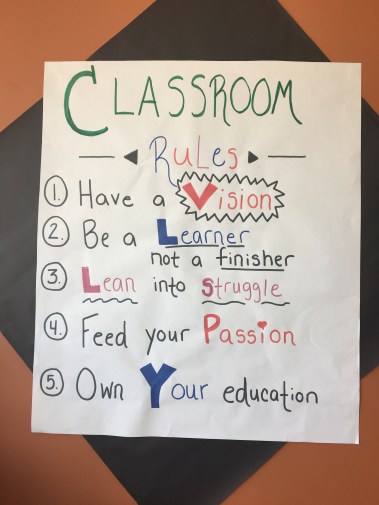
I’ve completely abandoned any traditional rules in the classroom. On the first day of school, I joke with kids about their vast knowledge of how to “play the game of school.” As long as we can, as high school students, keep from putting gum in each other’s hair, we can focus on the more important “rules” that will guide our philosophy of learning and engagement. These rules from Amy Fast, are referenced each and every day. Mostly rule #2. We need a LOT of work there. 

img_6117

I am NOT an artist, by any means. In the past, I’ve let this limit what I try to do when it comes to anchor charts in my room. NO MORE! With a projector and pencil, I am tracing my way to borderline copyright infringement (Don’t worry, I promise not to try and sell them). This beauty comes from the Disrupting Thinking by Kylene Beers and Robert Probst, which rocked my world over the summer. I wanted my students to have a solid reminder of what their books, brains, and hearts mean to their reading. We refer to this chart that I found through Google Images almost daily. 

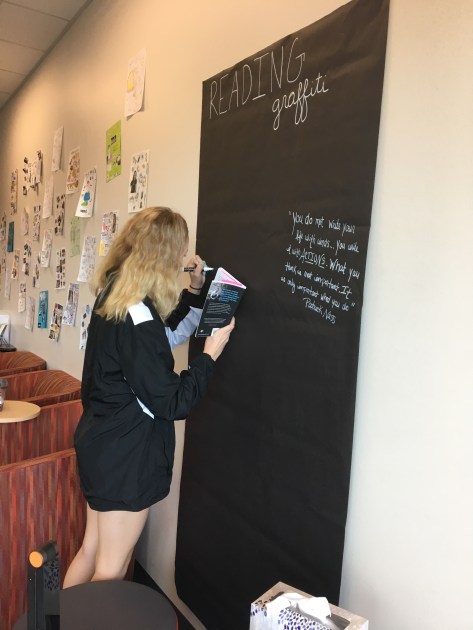
img_6468

Giving students a place to share what moves them in their reading means we have a constant reminder of the power of words, and motivation to write as we reflect on the great beauty we find through the published word. This reading graffiti poster illustrates the baby steps my students are taking to feel comfortable in sharing what speaks to their hearts and minds while reading. Once I finally broke the seal and put a quote up myself (Thank you, as ever, Patrick Ness), students have added insights such as “When you tell a lie, you steal a man’s right to the truth” and “You can’t take it with you, right?!”I love the brave souls who are sharing their reading lives with us without even being asked. 

The back wall is a revolving homage to mentor text study. Early in the year, my sophomores started their study of narrative by emulating Kelly Norman Ellis’s poem Raised by Women.” These days, creations from my AP Language students grace the walls. They utilized authentic informative writing in the creation of biographies modeled after the work of James Gulliver Hancock in Artists, Writers, Thinkers, Dreamers.

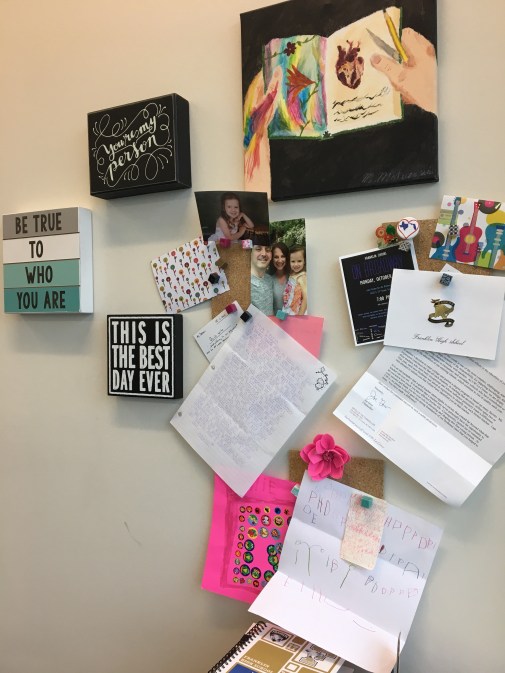
img_6685

In the space behind my desk, I have inspirational words that help frame my work each day, provided by people that I love and respect. I have pictures of my family, notes of gratitude from students, and art from my daughter Ellie. I am a firm believer that as a reader and a writer in the room, my story matters too. I love to share with students how the belief that we can always improve, grow in reflection, and benefit from a positive attitude, can shape their experience in English class each day. 


Our classrooms, both full of students, and basically empty, suggest who we are as teachers. I love what mine says about the work we do everyday in the workshop.

What does your classroom say about your workshop journey? Please share in the comments below!


Lisa Dennis teaches English and leads a department of incredible English educators at Franklin High School near Milwaukee. One of her classroom walls is painted in a burnt orange color. It’s fall all year. Follow Lisa on Twitter @LDennibaum 

5 Lists of Books and More Space for Talk

I am a collector. I collect bookmarks I don’t use and tweets with headlines I think I’ll read later. I collect cute little pots I think I’ll eventually make home to plants, and notebooks I’m afraid to mess up with a pen (from my pen collection, of course.)

I also collect lists. Doesn’t everyone?

I collect lists of books thinking this will keep me from buying more books. Sometimes it works. Not often.

We’ve shared several lists of books on this blog:  Coach Moore’s list of books he read this summer, Shana’s Summer Reads to Stay Up Late With, Amy E’s Refresh the Recommended Reading List, and Lisa’s Going Broke List just to name a few.

I like reading lists about books. This helps me stay current on what my students might find interesting or useful. Often, I find titles that help me find the just right book for that one students who confuses “reading is boring” with “I don’t read well,” or “I don’t know what I like to read.”

With one heartbreaking event after another in our country lately, I keep thinking about the importance of reading to help our young people grow into compassionate citizens who more easily understand their world. Did you see the results of yet another study? Reading makes you feel more empathy for others, researchers discover.

Of course, we don’t need another study to tell us this. Many of us see it in our students.

I see it in my students. My students who enjoy reading also enjoy talking about their

Bookclubdiscussion

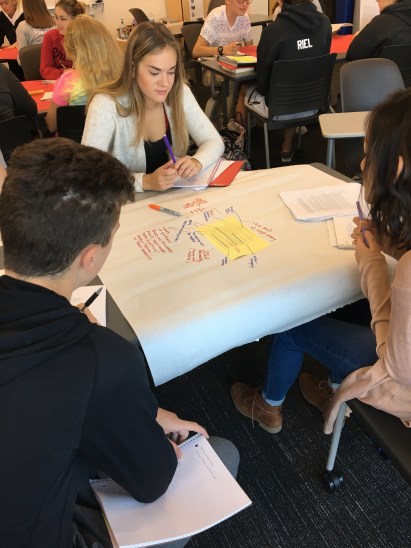
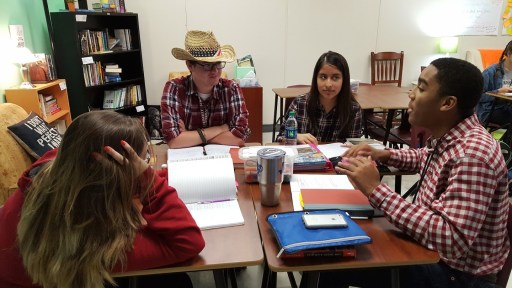
My students chose from nine different books for their book clubs. Once they chose, we had five different book clubs happening in one class. At the end of our second discussion day, I had students combine groups and talk with one another about the major themes, make connections, and share a bit about their author’s style.

reading. They relate to one another more naturally as they talk about their books, the characters, the connections. They welcome conversations that allow them to express their opinions, likes and dislikes. They learn much more than reading skills through these conversations.

My AP Language students recently finished their first book club books. I left them largely without a structured approach to talking about their reading. My only challenge on their first discussion day was to stay on topic:  keep the conversation about the book for 30 minutes. They did. I wandered the room, listening in as I checked the reading progress of each student.

On the final discussion day (three total), I reviewed question types and used ideas from Margaret Lopez’ guest post Saying Something, Not Just Anything, and asked students to write two of each question types:  factual, inductive, analytical prior to their book club discussions. This led to even richer conversations around their reading.

I remember reading a long while ago about how conversations about poetry could invite opportunities for solving big problems. I don’t know if this is the article I read, but the poet interviewed in this article asserts it, too:

I think we know the world needs changing. Things are going awry left and right. I firmly believe that in our very practical, technological, and scientific age, the values of all the arts, but of poetry in particular, are necessary for moving the world forward. I’m talking about things like compassion, empathy, permeability, interconnection, and the recognition of how important it is to allow uncertainty in our lives.

. . .Poetry is about the clarities that you find when you don’t simplify. They’re about complexity, nuance, subtlety. Poems also create larger fields of possibilities. The imagination is limitless, so even when a person is confronted with an unchangeable outer circumstance, one thing poems give you is there is always a changeability, a malleability, of inner circumstance. That’s the beginning of freedom.

When we invite our students to read, and then open spaces for them to talk about their

bookclubdiscussion2

This group had hearty discussions around Hillbilly Elegy by J.D. Vance. It’s Western Days. They don’t always wear hats and plaid and boots, even in Texas.

reading, we provide the same opportunities that discussions around poetry do. Maybe not on the micro scale of ambiguity and nuance, but most certainly on the macro scale of possibilities. Our students are social creatures, and we must give them spaces to talk.

So I collect lists of books I think my students may like to read, with the hope of engaging them in conversations — with me and with one another — around books. (A couple of years ago, Shana and I had students create book lists as part of their midterm.)

Here’s five of the book lists I’ve read lately. Maybe you will find them useful as you curate your classroom libraries and work to find the right books for the right students, so they can have the conversations that help them grow in the empathy and understanding we need in our future leaders, right or left.

6 YA Books that are Great for Adults

50 Books from the Past 50 Years Everyone Should Read at Least Once

The Bluford Series — Audiobooks

20 Books for Older Teen Reluctant Readers

43 Books to Read Before They are Movies

Oh, and if you haven’t read Lisa’s 10 Things Worth Sharing Right Now post in a while, now, that’s an awesome list!!

Amy Rasmussen loves to read, watch movies with her husband, and tickle her five grandchildren. She’s in the market for a lake house and likes to shop thrift stores for books and bargain furniture. Someday she’ll be disciplined enough to write a book about teaching. For now, she teaches senior English and AP Lang and Comp at her favorite high school in North TX. Follow Amy on Twitter @amyrass, and, please, go ahead and follow this blog.

When Choice Becomes an Imperative

I’ve been fascinated with the language I hear in classrooms for a long while now.

My TTT friends and I like to use welcoming, inclusive phrases to describe what goes on in our classrooms–we practice offering choice, inviting learning. But many classrooms I visit use more permissive phrases that emphasize teacher control–“I make them;” “they have to;” “I let them.” Often, without ever stepping foot into a classroom, we can make inferences about what kinds of work students are doing just by hearing a teacher describe their learning. Is the learning situated as an invitation, a choice, a welcome pastime–or a mandate?

I worry that, for many critics of the readers-writers workshop, this language might be what convinces them that student choice lacks inherent rigor, as if choice is something to be offered on a menu. A luxury. A privilege.

This article details nicely the evolution of the readers-writers workshop in the last 40 years. Veteran teacher Lorrie McNeill, after visiting Nancie Atwell’s classroom, wiped away tears and described Atwell’s students as “so fortunate.” “It makes me sad that my students can’t have this every day,” McNeill said.

Student choice is depicted this way often–as a privilege a lucky few students are given. But in an era of increased measurement, standardization, and monologic thinking, I believe choice is not something that should merely be offered to students. Choice has become an imperative if we want our students to be successful, purpose-driven citizens.

We’ve all read Robert Frost’s poem, “The Road Not Taken,” and are doubtless familiar with its final stanza–“I took the road less traveled by, and that has made all the difference.” However, I find that the first stanza is far more descriptive of the students I’ve had in the past several years:

75854-Robert-Frost-Quote-Two-roads-diverged-in-a-yellow-wood-And-sorry-I.jpg

“Sorry I could not travel both.” Our students, often unaccustomed to making meaningful choices, are paralyzed when they come to roads that diverge in their lives. Growing up in a culture that is saturated with meaningless choices–social media, Netflix, and smartphone games come to mind, combined with an academic and social culture that emphasizes standardization and sameness–is devastating a generation.

So many of our students lack the agency afforded to them by frequent, authentic opportunities to make choices and mistakes–both low-stakes and high-stakes–at a young age. Too often, kids are paralyzed by indecision, faced with the paradox that too many choices becomes similar to having no choice at all:

I’d been thinking about this concept for a while, but it was driven home for me by one of my students, Sara.

Sara was one of my favorite kids, a secondary English major with a penchant for words and a passion for education. She seemed an indomitable force, never bogged down by her workload, her multiple jobs, or the high expectations she put on herself.

Until a few Fridays ago, when she asked to meet privately, and told me that she wanted to drop out of our education program.

Four years into her schooling as an English Ed major, and she was just now realizing she didn’t want to be a teacher–and no less, a potentially really awesome teacher?!

That was my initial reaction…until we talked, and I realized that she was just now finding the courage to decide she didn’t want to be a teacher.

“I cried when I got my acceptance letter into the program,” she told me. “I was hoping I wouldn’t get in and the choice would be made for me.”

Sara is part of a generation of students who have been shepherded through their education without getting the opportunity to make important decisions about her future. Like many millennials I know, while Sara enjoyed learning and higher education in general, she didn’t really know what she wanted to be when she grew up. How do any of us, really? Still, she toed the line, went to college, and was a senior before she realized she was in too deep.

On a large scale, Sara is one of many “college-track” students who, while in high school, have very little say in if they’ll go to college–if they’re lucky, they get to choose their major. On a small scale, this looks like a school experience that prizes correctness, conformist thinking, compliance. It looks like a school culture that positions kids in a binary: college or career-ready. It looks like a nation of kids who grow up believing in a new, sinister American Dream: that college is the path to success, despite a growing trend in research that shows it’s really not.

To help kids like Sara–and all students–we need to make choice less of an offering  in schools, and more of a necessity. How can we graduate teens who have to ask to go to the restroom on Friday and expect them to make responsible decisions about where they might live or work on Monday?

Our students need to grow up, K-12, in a culture of choice. They need to not only self-select what to read, but should be guided toward choosing their own purposes, evaluations, and goals when it comes to that reading. The same is true for their study of writing, mathematics, and the social and natural sciences.

Students should make their own choices, early and often, so that when they no longer have a parent, a school, or an institution making those choices for them, they know what to do. Making good choices is a life skill that requires practice like any other. We get into dangerous territory when we ask students to make their first real decisions when the repercussions of poor financial, employment, or relationship choices are often irreversibly permanent.

For me, this makes my quest to spread the love of readers-writers workshop even more meaningful. I believe that the power of letting students choose what, how, and when to read and write empowers our students far beyond the ELA classroom.

Don’t you?


Shana Karnes is mom to 1.5 spunky little girls and wife to a hardworking surgical resident.  She teaches practicing and preservice English teachers at West Virginia University and is fueled by coffee, a pregnancy craving of peanut butter and jelly sandwiches (this week), and a real obsession with all things reading and writing.  Follow Shana on Twitter at @litreader and read more of her writing on the WVCTE Best Practices Blog.

Blackout Poetry with a Twist

Early in the school year, I’m always on the lookout for new ways to gather diagnostic data on my students, without uttering the words diagnostic, data, quiz, baseline, or any other term that reduces my students to plot points on a spreadsheet or numbers in the gradebook.

We know the power of conferring in learning about our students in countless ways, but what to do when, say as an AP teacher, we need to know students’ understanding of analysis terms or their ability to apply those terms in order to really dig into authentic analysis through study of mentor texts?

The idea of a vocabulary quiz makes me shutter. Conferring long enough with each student to get a good understanding of his/her knowledge of syntax, imagery, figurative language, etc. would take weeks. Submitting annotations on our first go-around seems cruel to both students and to me.

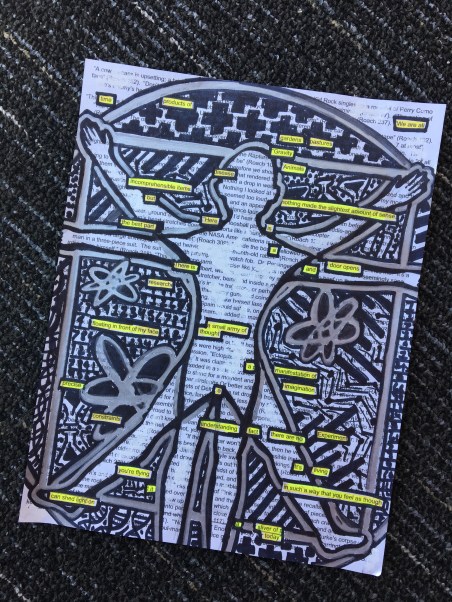
So this year, my colleague Sarah and I decided to try something different. We wanted an understanding of how students would go about identifying the purpose of a piece and img_6137provide appropriate text evidence of the basic terminology of analysis: syntax, imagery, diction, figurative language, and detail. We wanted students to use their left and their right brains. We wanted to students to work together to solve a problem.

Enter, the blackout poem.

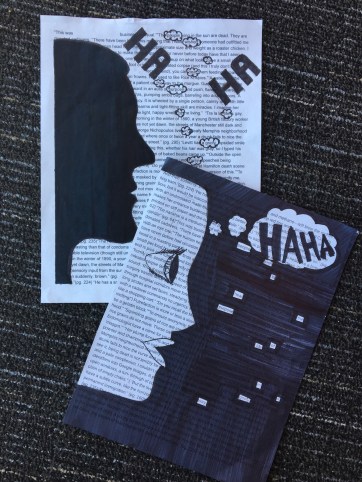
Traditionally, black out poetry makes meaning out of the words provided by a single page of text. Whether it be from a book, article, essay, etc., a poem is created from the words that live on the page by blacking out all other words and leaving just the ones that create meaning for your given purpose. Additional images are sometimes included.

We decided to turn this upside down a bit. Students would create their page of text from the text evidence they pulled from their reading (In this case, their choice of Mary Roach books from our summer homework assignment) and a poem to illustrate their claim of purpose from that reading.

And this, is some of what we got:

Below, are the steps we took in guiding students through this unique assignment. It could work for jut about any reading, and I would love to try it when students have read a variety of perspectives on a given topic.

img_6132

  1. Students read their choice of Mary Roach books over the summer and kept track of instances where they felt she purposefully utilized DIDLS (Detail, Imagery, etc.).
  2. We then partnered up or formed groups of three to discuss what we found and what we thought it meant. We were working toward specific purpose claims for each text.
  3. Students shared examples of the various instances of craft from Roach’s texts and as they did so, they typed those quotes onto a shared Google document. Their final task with that original quote document was to decide on a claim of purpose for the text(s) they read.
  4. Once finished, students printed that document of quotes so I could take a look. I’ll use it as a jumping off point for review that’s needed with specific elements of analysis.
  5. The kids then eliminated all of the formatting for their quote document, so they were left with a page full of quotes from their texts. Essentially, they created the page of text for their blackout poem, instead of using an existing one from the book.
  6. We then talked about how to communicate their claims of purpose poetically. Simply finding the words from their purpose was not going to be poetic, it was going to sound like a thesis. We brainstormed ways to convey the purpose through related ideas and involve more imagery, figurative language, etc. in our own work.
  7. Finally, we put the poems under the document camera and each group explained their claim for Roach’s purpose in the text, how it influenced their poem, and read their work to us. We snapped at the end of each reading.

I love that this work got students talking about a text, using text evidence, attacking an assignment with both sides of their brains, and enthusiastically supporting one another’s work by sharing with the class. Their creations went well beyond finding and explaining examples, to creation. Poetry from nonfiction for the win.


Lisa Dennis teaches English and leads a department of incredible English educators at Franklin High School near Milwaukee. Her favorite insight from Mary Roach (courtesy of the book Gulp) is that our mouths fill up with saliva before we vomit in order to protect our teeth. We have so much acid in our stomachs that our teeth would be irreparably damaged when we puke, if our saliva didn’t protect them. Science. Incredible. Follow Lisa on Twitter @LDennibaum 


Shifting Control to Invite More Learning

569059I admit to liking control. I won’t go far as to say I’m a control freak, but I am freakishly close. As I age I realize I like more and more things in neat little rows, even my To-Do lists must be lined up perfectly, so I can make tiny check marks with my Precision pen.

I am ridiculous.

The hardest part of teaching for me is letting go. It’s also been the best thing for my teaching.

To be an effective workshop teacher, we step aside so our students can step in. They want to know their opinions, ideas, and choices matter. They’re hungry for it. We’ve written a lot about choice reading on this blog, and I know many of us advocate for self-selected independent reading, protecting sacred reading time like an O line protecting our quarterbacks.

I wonder what other choices we offer our students. How else do we invite them to own their learning?

Recently, I read this post “The Inspiration in Front of Your Eyes” by George Couros. He begins:

Often when working with educators, I try to give relevant examples of ideas that can be implemented into learning but get very specific to either a class or grade level.  My focus is not adding something to the plate of an educator but replacing something they currently do with something new and better than what they may have been doing before.  For example, instead of a teacher spending hours searching a video to explain a concept in math, or even creating it themselves, why not have the students find the concept and say why it is powerful, or having the students create some form of multimedia to explain the concept themselves? The flip is putting the learning into the student’s hands, which can lessen the work for the educator.

Deeper learning for the student, less work for the teacher.  Sounds good to me!

Couros goes on to explain the importance of being observant and connecting ideas we find in the world, and reshaping them to facilitate deeper learning for our students. Of course, this resonated. This is how we find mentor texts like author bios and user manuals. But Mr. Couros got me thinking about shifting the finding to my students.

Then before school a week ago Monday, I saw Kristen Ziemke‘s Padlet, Take a Knee. And I got another spark to shift my instruction.

I’d never used Padlet before, so while my students shuffled in to first period, I quickly made an account and created a board. I put one thing on it:  Kwame Alexander’s poem, Take a Knee, which I knew was the perfect quickwrite for the day after so many NFL players knelt in protest.

After we wrote and shared and talked in small groups and as a class about the issue. One student said, “I just don’t know enough about it to know what I believe.”

The perfect intro!

I suggested we make a text set that could help us understand the why’s and who’s and what’s of this hotbed of a topic, and I issued the challenge:  As a class of individuals with a wide variety of beliefs and backgrounds, we’d search for articles that would address all sides. We’d use Padlet as our storage space. Then we’d use the text set we build together for our learning in class.

With their phones and iPads, students went to work, and in the 10 minutes I gave them in class, they talked. Students talked about where to find information that “wasn’t biased,” “would tell them the truth,” “will help me want to know more.”

I leaned in to these conversations, teaching terms, suggesting sites, encouraging objectivity — and why it is important for our understanding of human needs and desires.

Our Padlet What’s the Argument is not complete. We haven’t had a chance to return to it yet, but we will. Maybe we’ll use it as we learn to ask better questions in preparation for whole class discussions. Maybe we’ll use it as we learn to synthesize information from a variety of sources. Maybe we’ll use it to spark ideas for the arguments we’ll post on our blogs. It doesn’t matter.

When we return to our Padlet, or even create another one that coincides with whatever peace-cannot-be-kept-by-force-it-can-only-be-achieved-by-understandinghotbed topic fires up the nation (sadly, there are so many), my students will know I value their input. They’ll know that helping them make sense of our world is as important to me as helping them love books and become good writers.

And maybe they’ll remember to look at all sides of the issues, to see into the hearts and minds of those we may disagree with so we can find a space for conversations.

If my giving up control makes space for that, I’ll take it every chance I get.

What ideas to do have to flip the learning into students’ hands, let go of control, and invite deeper learning? Please share in the comments.

Amy Rasmussen is a neat freak in her classroom but not her bedroom closet. She loves sharing books with student readers and reading students’ writing. She is the mother of six, grandmother to five, and wife to one very patient man. She teaches senior English and AP English Language at a huge and lovely senior high school in North Texas. Follow her on Twitter @amyrass

Snapshots from My Students’ Notebooks

img_2714.jpg

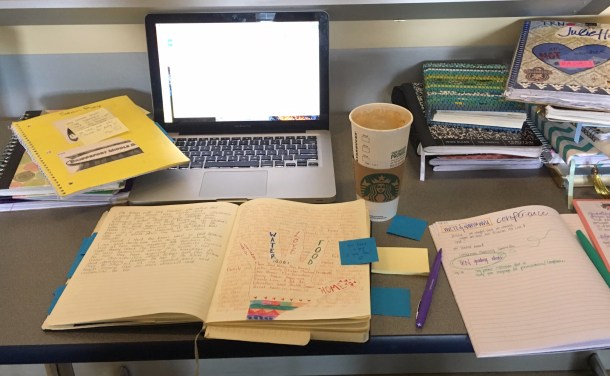
This weekend, I spent some time reading and responding to my students’ Teacher-Researcher Notebooks. These TRNs, my preservice teachers’ versions of the writer’s notebook, are where my college students’ thinking about their learning, teaching, students, and growth intersect.

Their notebooks inspired me–so much so that I began making a list in my own notebook of all the techniques and sketches and thoughts I saw so I could utilize them myself. I saw some ideas I’d given them, based on what’s in my own notebook, but I also saw some fresh genres that were new to me.

These five excerpts from my students’ notebooks illustrate that when given the choice afforded by workshop’s emphasis on frequent, low-stakes writing, balanced with the structure of routines, mentor texts, and feedback, the writer’s notebook is a powerful tool in any teacher’s arsenal. I’ll share them in the hopes that you and your students will try them out, too!

Orientation Pages. Making lists of writing territories, drawing heart maps, or tracing your hand like Penny Kittle often does are great ways to orient yourself in your notebook. I often ask students to do this both at the beginning of the semester, when our notebooks are fresh and empty, as well as periodically throughout the year to orient ourselves.

img_2711

These “orientation pages” center us, remind us who we are and what’s important to us, and double as a handy list of writing topics when we don’t know what to write. I love how Kourtney blended this technique with what she was noticing in her students.

Artifacts. Glue-ins not only serve to remind us of a particular time or place, but also act as inspiration for future writing. Many of my students glued in their name badges from their schools last year–a tangible marker of time’s passing that helped them see how much closer they were to becoming “real” teachers.

img_2720

I love that Megan glued in her Tutor badge–she’s graduated to a Participant this year, and will be an Intern next year–and how faded it is. She also glued in a final feedback note I gave her after she presented her end-of-semester research project last year. Her title “Things That Keep Me Going” is a handy thing to have around when the stress of teaching gets to be a little much.

Imitations of Mentor Texts. Like many of my Twitter friends, I am obsessed with the lovely and poetic Mari Andrew. Her art serves as a frequent mentor text for my students, and we studied this image about how we define our passions, and they don’t define us–then imitated it.

img_2716

I love Julie’s illustration, which shows not only how many “Julies” she is beyond just teacher Julie, but also serves as inspiration in the form of an orientation page and a source for high-interest lesson topics she might pull in when she’s searching for some imaginative planning ideas.

Quotes. We learn so much from studying others’ words, not just for their message, but for their craft. Gluing in quotes, poems, essays, emails, and other bits of writing inspires us, teaches us, and motivates us to put pen to paper in ways that are meaningful.

img_2719

This quote Cat glued into her notebook is a wonderful one that I copied down myself, the better to write around, be inspired by, and imitate. It’s an apt metaphor for both teachers and writers, and served for Cat as a reminder of her potential and power as a blossoming educator.

State of the Writer. I urge my students to pause every two weeks or so and create a “big-picture entry.” This could involve doing a little reflection about themselves, looking at the undercurrents of what’s going on in their teaching, synthesizing some of the learning they’re doing in their classes, or a combination of those.

img_2717

I love that Elizabeth chose to do a little sketch of herself surrounded by the myriad thought bubbles typical to a teacher’s brain. Lesson planning, fretting about money, digesting Freire’s Pedagogy of the Oppressed, and the black hole of Pinterest…I mean, how spot-on is this!? I’d love to use this as an alternative to a written quarterly reflection with high school students to illustrate the intersections between who we are and what we’re learning.

Will you share some of your students’ notebook wisdom with us? Tell us about what your students write in the comments, or using the hashtag #whatsinanotebook on Facebook and Twitter!

Shana Karnes is mom to 1.5 spunky little girls and wife to a hardworking surgical resident.  She teaches practicing and preservice English teachers at West Virginia University and is fueled by coffee, a pregnancy craving of Honeycrisp apples (this week), and a real obsession with all things reading and writing.  Follow Shana on Twitter at @litreader or read more of her writing on the WVCTE Best Practices Blog.

Teachers Are Awesome. Let’s Learn from Them.

i-love-my-students-bags-backpacks.pngToday, I’m reflecting on how much I love my students.

There are 52 of them, all pre-service teachers from a variety of content areas and grade level specializations. Despite all the ways we are misaligned pedagogically, we have fantastic discussions every Friday about the work of education–the broad strokes that define good teaching, no matter the topic, age level, or context.

My students and I have opened one another’s eyes to so many things during our time together. If there’s anything that they’ve taught me, it’s that we can all learn from each other.

I feel much more knowledgeable, passionate, and informed about teaching reading and writing now that I’ve studied with elementary literacy specialists for over a year. I’ve learned from my history teachers how to spin what seems an ageless interpretation of a text into something new and fresh. My math and science preservice teachers have shown me more about process-oriented teaching, learning, and feedback than all my disconnected reading on the subject.

In studying with these young teachers, I am reminded of how much we can learn from one another, if only we try.


I think the most frustrating thing for me about teaching is the isolation.

Not just the physical isolation of our classroom spaces–being the only one who seemingly holds our role in the room, alone as the adult–but also the way that we never get to see one another practice our craft.

We rarely get to see other teachers teach.

As a result, most of our information about what other teachers are doing comes from secondary sources–our students, their parents, our colleagues, or, more professionally, from books, articles, blogs, or journals.

What would education look like if we changed this?


In my many roles this semester, I’ve gotten to be in lots of West Virginia classrooms. As a supervisor of English Ed interns, I’ve gotten to visit 7th graders and their teachers. As a teacher of preservice teachers, I’ve gotten a glimpse inside the myriad classrooms they’ve been placed in. And as a substitute teacher, I’ve gotten to “be” ten different practitioners so far this year.

I love, love, love going into these other classrooms. From the first impression I get from the empty space, to the first students who walk in the doors, to the ways I see teachers and students interacting as I study them–I love all of it.

There is beauty in every single classroom.

Getting to see all of these learning environments supports, strongly, the idea that no two teachers will ever teach alike. There is value in that truth–if the instruction we value for our students involves choice, authenticity, rigor, and relevance, then the instruction we want our teachers making involves those things too. That means providing time and training and encouragement for teachers to design their own curricula, assessments, and and products.

Because we don’t live in a perfect world, many teachers don’t get to do those things–but what does become reality is the fact that no two classrooms are alike, nor should they be.

What we can do is embrace that reality and learn from each other. Collaboration is a goal for many of our students’ thinking; why not apply it to our teachers’ learning, too? Here are four ways you might do this with your colleagues soon.

Ask Questions. As you’re enjoying your school’s delicious lunch special in a tiny student desk with your teacher friends, don’t just talk about what happened last on The Walking Dead. Ask questions: what are you guys working on this week? How do you approach grading that? What struggles are your students having? Where do you wish you could improve?

These questions help not just the asker, but the answerer, too. How many times do we actually get to talk about the pedagogical aspects of our work? I know when I tell stories over the dinner table I don’t talk about my methodology or lesson planning. I talk about the kid who tooted incredibly loudly in the middle of an active shooter drill, causing the whole class to burst out laughing in the dark classroom (that happened yesterday). Asking questions helps us learn not just about one another, but about our own teaching, as well.

Observe One Other. It can be tough to fit everything a teacher has to do into 24 entire hours, let alone the free moments we get in a school day. But take some time, even if it’s just once a month, to pop into a friend’s classroom on your lunch, plan period, or PLC bell. Just see what they’re up to for 15 minutes and learn from them–the way they arrange their space, the precision of their language, how they have kids organizing materials, or who and what and how they’re teaching.

We can always learn from one another, even across content areas. Invite others into your room, too; you never know what good someone else’s eyes might see that yours have missed.

Share Resources. Standing in line at the copy machine? Have a glance at what your peers are xeroxing. And do steps one and two, too–ask questions about those questions, or mentor texts, or essay samples, or whatever it is you see. Get talking about the work we do on the most nuts-and-bolts level–how do you organize your planning? Are those copies for today or tomorrow or next week? How do kids turn them in? How do you grade them? Let your curiosity guide you.

Listen. The final step, of course, is to listen thoughtfully to what you learn during this process. We have to open our eyes, ears, and minds to what good we can see in one another’s practices. Don’t pre-judge the math teacher making a thick stack of copies of practice problems. Don’t assume the English teacher relying on the textbook comprehension questions has nothing for you to learn.

Every teacher does good work–young and old, new and veteran, AP and on-level, quiet worker or school-wide leader. We spend too much time assuming the worst of people in our world–we don’t need to make our jobs harder by doing this at school too. Look for the good. Teachers are awesome. All you have to do is remember that, look for it, and prepare to learn.

Imagine would education would look like if we did.

Shana Karnes is mom to 1.5 spunky little girls and wife to a hardworking surgical resident.  She teaches practicing and preservice English teachers at West Virginia University and is fueled by coffee, a pregnancy craving of orange jello (this week), and a real obsession with all things reading and writing.  Follow Shana on Twitter at @litreader or read more of her writing on the WVCTE Best Practices Blog, where a version of this post originally appeared.