Category Archives: Amy Rasmussen

Q & A: How does workshop work to prepare students for college? (Or I love teaching these books) #3TTWorkshop


Questions Answered (1)I’ve been asked this question in several different ways:  How do we do this for college prep courses? How does workshop work in an AP English class? If I’m not teaching books from the canon, how am I preparing students for college? And we’ve written about it a lot on this blog. (See here and here and here and here and here and here for starters.)

Sometimes I think we have misplaced ideas about what is expected of students in college — especially if we were English majors, and our students may not be —  and perhaps some skewed ideas of what rigor looks like when it comes to high school English classes.

I first clued in when I read Readicide by Kelly Gallagher. No doubt, I killed the love of reading — and the love of the literature I loved — the way I “taught” the books I expected my students to read. (Most didn’t.) Since then, I’ve studied, practiced, implemented, revised, and stayed up late thinking about how I need to revise my instruction in order to best meet the needs of my students. All of my students — not just those in a college prep or AP English or those going to college — but every student in every English class in preparation for the rest of their lives. I want them to be fully confident in their literacy and all the gifts that will give them in whatever future they choose.

My students, not just those in advanced classes, or on a college-bound track, need to know how–

  • to think critically about their ideas and the ideas of others
  • to articulate their thoughts in writing (in multiple modes) and orally (with clarity and confidence)
  • to support their thinking with valid sources
  • to revisit their ideas and revise them when they encounter viewpoints that require them to extend, modify, or change their thinking
  • to verify sources, and identify and analyze bias

There’s power in these skills, opportunity and freedom — for our students and for ourselves. We do not need a list of “AP suggested novels” to teach them.

What we need is to build communities in our classrooms where students feel safe to engage in inquiry, share their thoughts, receive feedback, and give themselves to the learning process. Study guides, worksheets, TpT lesson plans, and the same ol’ same ol’ approach to teaching the same ol’ books will not cut it. Just because a book is considered of literary merit does not make the learning around it rigorous. Rigor is not in the text but in what students do with the text. (For more on this, see Jeff Wilhelm’s article “Teaching Texts to Somebody! A Case for Interpretive Complexity“)

What we need is to to know our state ELA standards or the AP English Course and Exam Description as provided by College Board. (I think the AP English Course descriptions scream “workshop.”) Then, begin thinking about and hunting for mentor texts, written in a variety of modes, that 1) prompt students to think in different ways about a different topics, 2) engage students in inquiry and class discussion, 3) spark ideas for research, and all along the way, invite students to write beside these mentors:  What do you think? What do you notice? What do you wonder?

At least this is the genesis of answering the question:  How does workshop work to prepare students for college? There’s so much more to it.

Resources that have helped me:  Write Beside Them and Book Love by Penny Kittle, Dr. Paul Thomas’ blog. Currently reading: Why They Can’t Write by John Warner, and the #1 on my summer reading list Handbook of Research on Teaching The English Language Arts 4th edition, edited by Diane Lapp and Douglas Fisher.

I once did a two day workshop, helping a district coordinator move her teachers into the readers-writers workshop model. In a reflection after our training, one teacher-participant wrote:  “I’ve been teaching for 24 years, and feel like I’ve been told I’ve been doing it wrong all along.” Nope.

But. . .

What if we could do instruction better?


Amy Rasmussen lives in North Texas where she thinks, ponders, and writes about how to motivate, engage, and teach today’s adolescent readers and writers. She will be spending a lot of her summer facilitating PD focused on readers-writers workshop in secondary English classes. Follow her @amyrass — and she’d love it if you follow this blog!


Q & A: Where do you find mentor texts for informational reading and writing? #3TTworkshop

Questions AnsweredHere’s the thing:  Finding engaging mentor texts, whether to integrate current events into lesson plans or use them to teach reading and writing skills, requires us to be readers of the world.

“I don’t have time,” I hear some thinking. Yeah, well, finding the time to read ourselves is the best professional development available.

Want to engage students more in independent reading? Read a wide variety of engaging and inclusive YA literature. Want to shake up literature studies? Read more diverse and award-winning literature. Want to bring real world events into the classroom for some critical discussion? Read a whole bunch of news.

There’s no secret to finding mentors that will work. We just have to do the work to find them.

We can rely on others to help. Kelly Gallagher posts the articles of the week he uses with his students — a good resource. Moving Writers has a mentor text dropbox — also good. However, what works for some students may not work for others. We know this.

We also know our students. We know the instructional goals we have for them, and we know what they need from us in terms of interest and ability (at least we should.)

So — read more. Read with a lens that will best meet your needs and the needs of your students. Sometimes we find treasure.

For me treasured mentors, particularly for informational texts — because they often get a bad rep — are those that are not boring. (In my experience, most students think info texts are boring.) Voice, format, and style = engaging real world informational writing.

I’m sure there’s more out there, but here’s three sources I read regularly. Sometimes I pull long excerpts, sometimes paragraphs, sometimes sentences to use as mentors.

The Hustle. “Your smart, good looking friend that sends you an email each morning with all the tech and business news you need to know for the day.” You can sign up for the newsletter here. Here’s a sampling of a great piece with imbedded graphs and data: How teenage hackers became tech’s go-to bounty hunters. This is a mentor I would love to use with high school classes.

The Skimm. (I’ve shared this before.) “Making it easier for you to live smarter.” Sign up for the newsletter here. The women who started this site are all about promoting and advocating for women. I like that. Their podcast is interesting, too.

Robinhood Snacks. “Your daily dose of financial news.” I’ve been teaching myself about investing for the past couple of years, so this one just made sense to me — the newbie-tentative investor. What I like is how the writers make the information so accessible — and they post a “Snack fact of the day,” which will often work as an interesting quickwrite prompt. Sign up for the newsletter here.

What about you? Do you have favorite resources to stay in the loop of the news or to find treasured mentors for informational reading and writing? Please share in the comments.


Amy Rasmussen spends a little too much time reading daily newsletters and checking her most recent stock purchases. Her favorite investing apps:  Robinhood, Stash, and Acorns. Really, if she can do it, you can, too. Amy lives, writes, and loves her family in North Texas. Follow her @amyrass

On Slow Stylists and Teaching Writers

My hair and North Texas humidity are not friends. I can fix my hair in the morning, take one tiny step outside, and floop — it’s like the photo next to the word frizz in a picture dictionary.

I need help with my hair.

Not long ago, I had to find a new stylist. I’d seen my hair pro for going on 20 years — through short and kinda long and short again and kids’ friends and schools and graduations. I didn’t even know I had attachment issues until I called to make an appointment and learned Vivian had moved to another salon. They would not tell me where.

You may know how hard it is to find a new stylist. Overwhelming and risky come to mind. I just couldn’t deal with it — so I went cheap. I saw a random ad on line for “models” and took a chance on a “stylist-in-training”.

Photo by Markus Spiske on Unsplash

And it was good.

Well, it got good. First, I waited 35 minutes just to get in the chair. I learned why as Emily tentatively combed and cut in tiny snips. She was S.L.O.W. but cheerful, eager, and excited to put the skills she learned through lecture and video into hands-on real-hair practice. Emily’s “expert mentor” stood to the side, giving tips and clarifying process the whole time. Then, when Emily thought she was done with my cut, the mentor picked up the comb and scissors, checked each section for wayward hairs, and reviewed the moves Emily had just made to create my style.

Of course, this all reminded me of teaching writers.

Awhile back I wrote about slowing down and planning time for students to think and talk and question before we demand they get to drafting. I think planning time applies to other aspects of teaching writers as well.

Here’s three things I’m wondering–

  1. How can we plan time for more talk? Writers write well when they have a solid base of information from which to build their ideas. Purposeful talk can help our writers grow in knowledge, recognize bias, and engage in conversation that pushes thinking. Listening and speaking often receive short shrift in ELA classes. We can change that. We can help students get their hands and heads into real-life practice as they talk about issues, news, and attitudes that fuel their writing.
  2. How can we plan time for more questions? When writing, questions often lead to answers. I teach asking questions as a revision strategy:  Students read their peers’ writing and can only respond with questions that prompt the writer to add more detail, include examples, develop thoughts more fully, etc. This takes practice, but it’s the best approach I’ve found so far in helping students question their own writing. (See Start with a Question for more on how questions aid writers.) We can give tips and clarify process — and help students work together to improve their writing — when we spend a little time helping them ask good questions.
  3. How can we plan time for more conferring? A few years ago, I asked my students how best they wanted me to help them improve as writers. These high school juniors overwhelmingly asked for more one-on-one. I was kind of surprised: Teens wanted to talk to me moreSeriously, they did. These writers understood they were all at different places with their language skills and writing abilities, and they knew the value of our conferences. Undivided attention, sometimes just noticing, even for a brief few moments, can make a world of difference to a writer. Sometimes we instruct. Sometimes review. Most often we just listen.

I left the salon that day 2.5 hours later — the longest I’ve ever spent in a salon. Time didn’t matter to Emily. She wanted to do well, truly practice her new skills, and create a cut she’d be proud of. I know we feel rushed and crushed in our English classes, but there’s a lesson here:  How can we slow down in order to maximize the time our students need to grow as writers?

In case you’re wondering, I like my cut, but I’m still battling Texas weather.


Amy Rasmussen loves working with student writers and their teachers. She thanks her family and friends for their time: generating ideas, reading drafts, proofing, editing, encouraging. And she thanks you for all you do for readers and writers everywhere. Follow Amy on Twitter @amyrass

Four Things I Wish I’d Known When I Became an English Teacher

I’ve got a lot to learn. Even after decades of reading, writing, and learning to be a teacher, I often feel the sinking feeling of inadequate. Every spring she floats to the surface, and sends a garbled message that makes me question:  Did I do enough to help my students?

Help them with what?

When I first started teaching high school English, I thought it was all about the books. I loved literature. I wanted them to love literature. How can they love it if I don’t help them see the complex beauty of well-crafted sentences and heart-achingly human plot lines? I was that teacher:  I taught books instead of readers. (Many of you have heard me speak about my Dickens’ debacle. Believe me, it was the worst of times.) Like many new teachers, I taught like I had been taught. I did not focus on the learner and her needs. I did not focus on the reader and his interest, ability, or anything that matters to growing readers. My focus squared fully on what I thought a high school English class should be:  classic lit (chosen by me), study questions (written by me), analysis essays (prompts by me), and me helping my students “understand” what they had just read. (Not even considering that they may not have read the assigned pages at all.)

Last week I celebrated with family as my daughter and her husband graduated from

Jennaand RyanUSUgraduates

Jenna and Ryan Anderson

Utah State University. We watched close to 2,000 graduates in two different college commencement ceremonies walk the stage and into the next part of their life’s journey. Many of those graduates intend to be teachers. It’s a beautiful thing, really. New blood, new energy, new passion in a very demanding career. I hope it doesn’t eat them alive.

It won’t — if they are better prepared than I was.

That’s what kept hopping through my head as I watched so many young people shake hands and clasp diploma covers — evidence of their academic accomplishment:  Has their education prepared them for the realities of teaching? Will those going into ELA classrooms teach books or teach readers? It’s a lot of years later, do they know more than I did? Of course, I know next to nothing about USU’s College of Education, although according to the Dean, they are highly ranked. That’s not the point.

So what is the point?

I’ve still got a lot to learn. But if I can help speed dial the learning for other English teachers, I’ll do it. Here’s four things I know for sure:

We must–

  1. be literacy teachers — not just literature teachers. (I first heard Kelly Gallagher say this at a conference years ago. This shift in perspective changed me. Readicide is still a go to resource.)
  2. be purposeful in developing readers and writers, and let that be our guide as we plan, prepare, and present lessons. (I thank God for Penny Kittle. Write Beside Them sparked my move into authentic writing instruction. It’s the only professional book I’ve read more than once. Also, Book Love.)
  3. be inclusive in all aspects of our teaching from the resources we choose to the attitudes we take and how we talk and act and advocate, and how we work to create relationships, break down barriers, fight injustice. (In the past couple of years, I’ve learned a lot from Cornelius Minor about having an inclusive mindset. His book We Got This would be a good gift for new teachers, for every teacher.)
  4. be reflective, yes, but more vital to meeting the needs of all learners, be responsive. (That’s the intricate simplicity of the workshop model of instruction:  We meet the needs of individual students in the moment of their struggles and their strengths.)

You and I both know there’s so much more. The whole teaching gig can be so overwhelming. (Thus, one reason I’ve relished in my gap year.) If nothing else, I hope all ELA teachers, new and not-so-new, will focus on themselves this summer: Read a lot. Write a lot. Think a lot. That’s really all it takes to master #1.)


Amy Rasmussen lives, writes, paints, and gardens in North Texas. She’s taught all levels of high school English, except AP Lit, and now she’s seriously thinking about middle school — or college. She facilitates readers-writers workshop training wherever she’s invited and loves to see ideas percolate and passions ignite as teachers sit in the seats as learners, internalizing the philosophies and routines of RWW. For more info on trainings, check out the 3TT PD page.

Planning Time for Thinking

One thing I know for sure:  Writing is hard. Lately, I’ve been reminded how hard as I’ve tried to keep up with Sarah Donovan’s challenge #verselove2019 to write a poem a day during the month of April.

It’s only day 9, and Oh, my!

It’s not even the poetry part I’m finding difficult, which is surprising. Deciding on an idea and then sticking to it has wrecked me for eight straight days. And now I’m wondering:

How often do I expect students to dive into drafting without giving them time to talk and question and change their minds about their ideas? Do they have enough time to play and mull and sit with their thoughts before they make a commitment–or before a draft is due?

I know what so many great writers say:  Just start writing; you’ll discover what you want to say. But what if that doesn’t work for everyone? Lately, it hasn’t worked for me.

So now I’m wondering:  How can I plan for enough time to give everyone the time they need to settle in to their ideas before I plan enough time for them to write?

Now, I’m not talking about timed writing — or state-mandated test writing. Those are different (and in my humble opinion) horrible inauthentic beasts. I’m talking about the process of thought. The thinking it takes to draft with intention.

I’m pretty sure I’ve rushed it.

And I want to slow it down.

#verselove2019

Amy Rasmussen lives and writes from her home in North Texas where the bluebonnets are blooming beautifully. She thinks about writing all the time and needs to get better at getting her thoughts on the page. Writing poetry, which is far out of her comfort zone, may help. You can follow her on Twitter @amyrass

Can a poem be wrong? And other inspiration for #NationalPoetryMonth

I never call myself a poet, but I am in love with words.

I wrote this beside a poem in my notebook one day (I wish I could remember the poem):

Poetry is spiritual. Shouldn’t it be? It’s language laced in love and longing; purpose — and yes, peace. Sometimes. It’s also anger, anguish, sorrow, and despair. Poetry is people trying to find a place. It’s help in healing. It’s the tangle and torment of humanity shouting up and calling out. “Speak your truth.” the voices say. I’ll just play with speaking mine in verse.

Is that a poem? If I called myself a poet, I’d probably say yes. But I don’t, so I won’t.

I am like the kid too afraid to write. Too afraid to be wrong.

Can a poem be wrong?

I remember a several years ago when I first began teaching. I questioned myself a lot back then, and I had a knee-knocking fear of teaching poetry. Thinking to give myself an edge, I picked up the poetry binder the teacher before me had used. It screamed Keats and the Romantics. (Please don’t jump all over me if you revel in this era.) I’m sure the binder had other poets and other poems. I just remember how wrong it felt — how wrong I felt — trying to teach poems I didn’t love in a way my students and I didn’t love. We analyzed and analyzed. Never wrote beside a single one. I fear I passed the baton, my fear and even dislike of poetry, to my students.

That was wrong.

Thankfully, I learned to run toward the pain. I got better at teaching young people instead of teaching poetry. I learned to do more than have my students bring in their favorite song lyrics. I bought novels in verse and poetry anthologies. I read for pleasure. I wrote to discover, to wonder, to enjoy. I learned to love poets who made me think and feel and to experience language like I never had before. I shared all of this with my students.

It took me years to overcome my fear of poetry. How silly and how sad.

So maybe you are like the old me — stuck in a rut or an old binder. Maybe you dread all the talk of poetry in April because you’re stressed about test prep or whatever. Maybe you just want a little spring in your step. That’s what I now think poetry is — a pretty powerful spring.

Whether you love poetry, or not, here’s a little inspiration to get your bounce on:


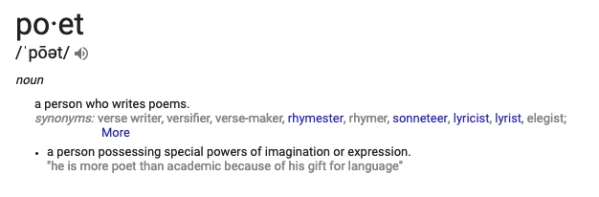
Sometimes it’s fun to look up words we already know. Today I looked up poet.

poet

Don’t you just love the second definition? I’m thinking superhero with a pen.


Amy Rasmussen began writing love poems in 6th grade about her boyfriend Frankie, but somewhere along the way of life, she lost her love of poetry. She’s since read Good Poems and all the poetry of Billy Collins. Aimless Love is her favorite. She’s always on the lookout for new poems to write beside. This is a new favorite. She’s not sure why. Follow Amy on Twitter @amyrass 

Utilizing Response to Provoke, Evoke, and Make Thinking Visible #TCTELA19

There’s nothing quite like presenting to a room full of educators who “get it.” You know the type:  they share similar goals for their students, they work to improve their craft as readers and writers, so they can help their students improve theirs. They know the best hope we have in our world and in our communities is a literate society. They teach literacy not just literature.

This was my experience at the Texas Council of Teachers of English Language Arts Conference in San Antonio (#TCTELA19) this past Saturday. And here’s the run down of my session: Beyond What Happened Into What’s Happening: Utilizing Response to Provoke, Evoke, and Make Thinking Visible.

If you teach in Texas, you already know we have new ELA standards coming. K-8 implementation starts next fall with 9-12 the following year. I was blessed to serve on the revision committee for the high school revisions and worked with some wicked-smart educators to craft standards that truly lend themselves to the recursive nature of literacy. And while we never mentioned methodology, I want you to know:  A workshop pedagogy is the best way I know to integrate the standards in our instruction. Many of us are already doing it.

While my session centered primarily on the Response (Strand 3), if you were there, you already know, through response –and the routines of workshop instruction— we can get our students thinking, reading, writing, listening, and speaking about topics and issues they care about in meaningful ways that lead to deeper learning. Authentic learning.

As promised, here’s the videos with the questions to spark response I shared:

Pixar’s short film “Lou”  What do you NOTICE?  What do you WONDER?

Note:  After turning and sharing our writing with a peer, we discussed how topics emerge from this kind of quickwrite. Appreciation, kindness, respect, character, internal struggle, motivation were all topics audience members wrote about in their responses. Through authentic response we help students generate personal and individual writing territories.

Infographics are a great resource for response, quickwrites, analysis, and even composition. Check out Daily Infographics and Statista.

tctela19 -- response

We read the infographic and discussed our thinking with a partner, which led to the Gillette ad. Of course, it did. (I was slightly surprised at how many in the room had not seen it.)

What do you NOTICE?

What do you WONDER?

What do you FEEL?

You probably see a theme emerging. This is how my brain works. I create a text sets — thematically. And with the new TX ELA standards, specifically, the multi-genre strand, I think thematic units make sense. In my experience, learners engage more when I’ve intentionally curated resources that invite them to make connections.

Connect this ad by Barbasol. (“Stop LOL-ing everything!” Makes me chuckle every time.) This ad was made in 2013. How might knowing that change your response?

And finally, this one — a direct response to the Gillette ad. What do you NOTICEWhat do you WONDERWhat do you want to know more about?

tctela19 -- response-2

Photo by Arnel Hasanovic on Unsplash

Now what?

If you know me, you know I am an advocate for self-selected independent reading. The new TX standards put this front and center.

tctela19 -- response-3Which also means students need access to high-interest engaging books they want to read. Lots of access. And teachers need to read these books, not just so they can help match readers with books — but to use them to teach literacy skills.

tctela19 -- response-5

Photo by Gaelle Marcel on Unsplash

I wish I’d had more time. We had so much more to talk about. Like these excerpts (The Perfect Score; The Truth as Told by Mason Buttle) from classroom library books — and the open-ended questions that show how we can utilize these books to teach literacy skills — Read like a Readers/ Read like a Writer, all the while integrating several of the new ELA standards. As they should be.

You’ll notice those excerpts both have male protagonists. Both struggling with something. Maybe things that lend themselves to the themes in those little videos.

Some titles from my classroom library I would book talk with students as we viewed, read, talked, and wrote about the sources I share here:

tctela19 -- response-6

What resources for response would you add to this text set? What question for response? What titles from your classroom library? Please share in the comments.


Amy Rasmussen calls herself a literacy evangelist –among other things. Wife to a lovely man, and blessed to be the mother of six and grandmother of seven (five of which are boys), she loves to read and teach and share ideas that just might make the world a little brighter — for everyone! Follow her @amyrass — and join the conversation around workshop instruction on the Three Teachers Talk Facebook page.

Keeping It Real As a Teacher of Writers

I have taken up watercolor. It’s been ages since I tried a new hobby, and I find the challenge pretty intense. Prone to put perfectionistic pressure on myself, my need to “get it right” limits my ability to play. This is problematic. And pretty stupid.

I will never get better if I do not take risks — with brushes or pigment or with the water.

For a long while now, I’ve followed my friend Laura’s work with watercolors. Her talent paints.jpgpiqued my desire to give painting a try, so I sent her a message asking advice on beginner supplies. She was gracious and encouraging in her response.

Then, I bought not three brushes but nine, not one medium-grade paint set but five, not one pad of paper but seven — in a variety of sizes. And I saved over 48 watercolor tutorials on Pinterest, plus, watercolor images of flowers, people, trees, waves, birds, landscapes, gardens. . .and pigs; and followed 18 watercolor artists on Instagram.

Because it seemed a lot easier to get ready to learn to paint than it did to try and fail.

Kind of like writing.

If you’ve read this blog awhile, you know I’ve been thinking about writing a book almost since starting 3TT. I’ve outlined three now. But I think and talk and read what others say about writing much more than I write. Like my hesitation about painting, this is problematic.

Of course it is.

And it reminds me of many of my student writers — the fear of getting it wrong or not making the grade, the vulnerability it takes to put ideas out there.

It’s real, and sometimes it’s stifling.

As I’ve worked to conquer my fear of learning to watercolor, practicing lessons on Skillshare (which has a plethora of lessons on multitudes of topics — check it out if you haven’t), trying new brushes and different washes and color combinations, and, finally, just relaxing into my art, I’ve discovered what I hope all young writers discover:

Writers must write for themselves. They write because they feel the tug of it, the need to express thoughts and ideas and meaning. Because they want to. Just as I paint for myself –the joy of it, the adventure in seeing if I can, the peace it brings me.

Recently, 3TT was asked this question on Twitter:  How often do you think MS and HS writers should publish? and I responded–

3tt tweet

I’ve thought about this exchange a lot since, and my thinking has led to more questions than answers:  How can we help our writers set personal goals for their writing? Which comes first:  the personal goal or the desire to write? If there’s no desire, can writers still write well? Does it matter if students write well?

Of course it does.

But just like every watercolorist finds her style, every writer must find his. All too often, school writing means prompts and formulaic structures, word counts and rubrics that restrict meaning-making more than they invite it.

So what can we do to open spaces that invite writers into the vulnerable places needed to grow? The best way I know is to keep it real.

Here’s a short list of what real means to me as I teach writers.

  1. Design Lessons based on what real writers do. For example, they don’t use standardized prompts — they come up with ideas they want to explore, creating their own prompts. Try quickwrites that inspire students to think about their lives and the world around them. Plan time for them to talk to their peers in ways that expands their thinking. Plan time for them to explore topics that interest them or challenge their thinking. Don’t just ask students to write about what they know. Ask them to write about what they notice.
  2. Make your writing life visible. Our writers need to see our thinking as we organize our thoughts into words on a page. They need to see us clarify, discover, and make meaning. They need to see that revision leads to improvement. Revision is not just a one-and-done step in the writing process. It’s not a strategy. Revision is a living breathing move writers make, and they make it often. Model all of the moves you do as a thinker, reader, and writer.
  3. Talk about everything related to writing and writers. “Writing floats on a sea of talk” (James Britton). Our writers need to share their ideas with one another — and with us as writing coaches in conferences. Often, we wait to invite writers to talk about their writing in peer feedback groups or in conferring sessions after they have penned their drafts. Real writers talk throughout their writing processes — from idea to draft into revision and on to redrafting. Talk leads to clarity and discovery, and in my experience, purposeful talk is the best resource teachers have for helping all students grow in confidence as writers.
  4. Immerse writers in beautiful language, clever word play, effective and powerful stories, essays, and poetry. Mentor texts that show students the impact of word choice, figurative language, and everything else from how an author creates believable characters to using dialogue to propel a plot forward are valuable teaching tools. Studying mentor texts helps students internalize what writers do. They come to recognize organizational patterns and structures they may choose to use in their own writing. Before I write pretty much anything of import, I study mentors. Don’t you?
  5. Make writing personal and purposeful. When we write about things we care about for readers we care about, we make deliberate choices as writers. Too often, and I am guilty of this myself, our writers only write for their teacher. Now, maybe your students differ from mine, but I’ve taught many a writer who didn’t care that I was her reader, and it showed. However, when I removed myself as my students’ primary audience and worked to build a community of writers where they wrote for one another, almost every student (sadly, there’s often a few hold outs) began to take greater care and ownership of their writing. They knew they had readers other than me. Of course, we can also help students determine outside-of-class purposes and audiences for their writing, and I encourage it; however, I’ve found that sharing our writing within our own classroom community is just as effective.

By no means do I claim to know it all when it comes to teaching writers. The puzzle working with adolescents is as real as my desire to help them grow as writers — and my newfound desire to learn to watercolor. I do know authenticity matters. When we make choices about literacy instruction, steeped in the authentic practices of what real readers and writers do as they read and write, more students engage in the tasks we ask of them. They take more risks. They more often than not rise to the occasion. And they shine as writers in their own right.

If you’ve made it to the end of this post with me, I appreciate you. And while I am not super confident in my watercolor abilities, and I have a ton to learn about the art of it all, I do have a stack of 20 bookmarks I’ve painted — mostly of birds because they make me smile. If you’d like one, share this post, follow me on Twitter @AmyRass (if you aren’t already), and send me a direct message with your name and address. (First 20 only. I’ve got a book to write.)


Amy Rasmussen has decided she loves teaching writers more than she loves to write, but she’s working on a balance of that as she attempts to discipline herself to “get ‘er done.” She has also decided that watercolor painting is harder than it looks. Amy’s currently on a “gap year” from the high school English class as she works on a book about authentic literacy instruction and facilitates professional development as an independent literacy consultant. She misses kids. A lot.

3TT Talks Gifts: Besides BOOKS, what supplies make your workshops work?

“I think the greatest gift that anybody can give anybody else. . .As a matter of fact, the only unique gift that anybody can give is his or her honest self.”  Mr. Rogers

Teachers give of themselves uniquely all the time. We know this. We live this.

We plan, teach, reflect, carry tote bags of papers home to grade at night and on the weekends. Okay, that doesn’t sound too unique. It sounds like every other English teacher we know.

But — you are unique, and we know you give of yourself uniquely to your unique students. Daily. And since this is a time of year we often get a chance to pause, give thanks, recharge, and give and receive gifts, it seems like a good time to share some of our 3TT favorite things — just in case you need some ideas on gifts for colleagues or ways to spend that stack of gift cards coming your way. (Sometimes it happens.) And just so you know, if you buy through our link, we will get a little something.

I asked Three Teachers’ Talk contributors questions about their favorites. (I already posted a gift list for favorite YA books.) Maybe some of these workshop necessities are already your favorite, too. Maybe they’ll serve as good gift suggestions.

What type of notebook do you purchase for yourself? Any particular size, shape, brand?


Zequenz Classic 360 Softbound Journal

Mead Composition Notebooks

Paipur Notebook, softbound, 9.75″ x 7.25″

Moleskin Classic

Exceed Dotted Classic Notebook

Rocketbook Everlast Reusable Notebook

a regular spiral


What type of pen do you choose to write with most often?


What classroom supplies can you not live without?


Do you have any go-to games or activities you use with your readers/writers?

Bring Your Own Book. My juniors love this!


Taylor Mali’s Metaphor Dice

Story Cubes

The Autobiography Box

Quicktionary:  A Game of Lighting-fast Wordplay

Crazy Aaron’s Thinking Putty (I have this in lots of different colors. Great for fidgeters or serious thinking time.)

3TT Talks Gifts: What books will you give this season?

If you know me, you know I live by lists. I make them. I collect them. Sometimes I even stick to them. I raised seven children, you know. I had to keep track of who needed to go here, there, and everywhere and who needed what and what and what just to survive and thrive in our robust and rowdy family. Christmas shopping, often on a bone of a budget, gave me hives.

Gift-giving has never been my strong suit. Perhaps my practicality, and my history of stretching dimes into dollars, gets in the way of thoughtfulness. (Not even kidding, my kids got socks and underwear wrapped in cute paper. To their credit, they never complained–at least not to me.) I know it is possible to be both practical and thoughtful, but I am still working on that balance.

So what does any of that have to do with a blog about teaching readers and writers? Not a lot — except, I asked my fellow writers to help me craft a list for literacy teachers. Maybe you’ll find something to gift yourself, a colleague, a friend, or a perfect stranger. (I like the idea of gift-wrapping a book and giving it to one of the Salvation Army bell-ringing volunteers and saying, “This is for you.”)

Part 1 of this literacy teachers’ list is below. I’ll post about professional books, and favorite writer’s notebooks, pens, and other clever things for literacy lovers over the next few days.

BOOKS. What are the top titles students love in your classroom library right now? (Remember, we work with a range of readers from middle grades to AP Lit. There’s old and new, non-fiction, YA, and just some really good recommendations here, in no particular order, that would make great gifts for any reader or want-to-be reader or you-want-them-to-be a reader in your life. )

The Poet X by Elizabeth Acevedo
Long Way Down Track Series (Ghost, Patina, Sunny, Lu) by Jason Reynolds
Ready Player One by Ernest Cline
The Hate You Give  by Angie Thomas
American Street by Ibi Zoboi
Graphic novels (Ghosts, Smile, Babysitters… by Raina Telgemeier
Love that Dog/Hate that Cat/Moo by Sharon Creech
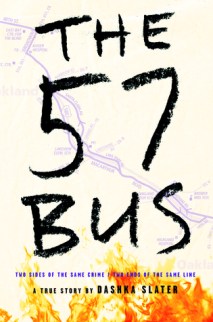
The 57 Bus:  A True Story of Two Teens and a Crime that Changed Their Lives by Dashka Slater
Love, Hate, and Other Filters by Samira Ahmed

331553252034261734647324

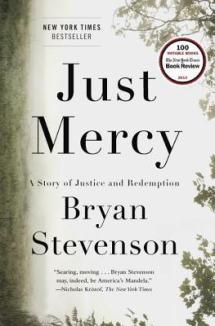
Just Mercy  by Bryan Stevenson & the version adapted for YA
Lies My Teacher Told Me by James W. Loewen
The Handmaid’s Tale by Margaret Atwood & the graphic novel version by Nan A. Talise
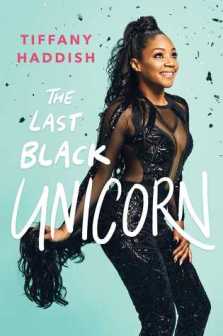
The Last Black Unicorn by Tiffany Haddish
The Nightingale by Kristin Hannah
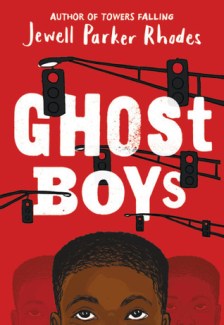
Ghost Boys By Jewell Parker Rhodes
The CrossoverBooked & Rebound by Kwame Alexander
Children of Blood and Bone by Tomi Adeyemi
The Greatest Stories Never Told:  100 Tales from History to Astonish, Bewilder, and Stupefy by Rick Beyer

249749963497431033830437

An Ember in the Ashes by Sabaa Tahir & the whole trilogy
Looking for AlaskaTurtles All the Way Down by John Green
My Bloody Life: The Making of a Latin King by Reymundo Sanchez
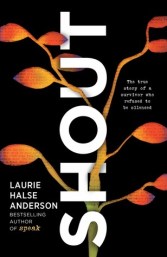
Twisted by Laurie Halse Anderson
Dear Martin by Nic Stone
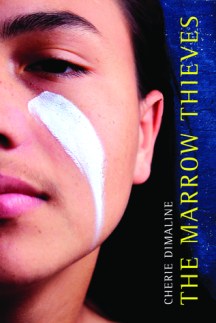
The Marrow Thieves by Cherie Dimaline

NOTE: Get this book free with a donation to Book Love Foundation

We Should Hang Out Sometime:  Embarrassingly, a True Story & Love and First Sight by Josh Sundquist
I am Not Your Perfect Mexican Daughter by Erika L. Sanchez
Because I was a Girl:  Trues Stories for Girls of All Ages by Melissa de la Cruz

346493482901039534608062

Between the World and Me by Ta-Nehisi Coates
The Martian by Andy Weir
1984 by George Orwell
The Lovely Bones by Alice Sebold
The Road by Cormac McCarthy
#NotYourPrincess: Voices of Native American Women by Charleyboy (editor)
All the Broken Pieces by Ann E. Burg
The Astonishing Color of After by Emily X.R. Pan
Far from the Tree by Robin Benway

For more book-gifting ideas, check out the Goodreads Choice Awards for 2018; 15 Life-Changing Middle-grade Books; and here’s the School Library Journal list of best children and YA audiobooks of 2018.