We have learned so much in the past year. Our extensions and bookmarks and padlets are brimming with new tools.
But the other day I was reminded, for the 452nd time, that sometimes going back to the basics is powerful. In this case, the basics is Google Docs.
In the “before” times I loved a good silent discussion (here’s a nice explanation of the strategy from NCTE). We’d gather around a piece of chart paper upon which I taped a poem or a snippet of text or an image. We’d all grab markers (remember when we shared markers!), and start writing and responding to one another.
Sometimes we’d pass around notebooks and write in each other’s spaces, scrawling words and thinking. Or we’d trade post-it notes, adding layers to the thinking.
But, as we all know, we’ve had to put on pause so many of those treasured strategies. But the need for rich, meaningful conversation is still there. And if your students are like the ones I see, they’re not actually doing a lot of talking right now. If you’re in person, masks are cumbersome. It’s exhausting to repeat yourself. Or they’re behind devices, likely staring at multiple screens.
While I worry that we’re turning our teenagers into zombies, leaning into existing technology can be beneficial when trying to recapture the energy of a silent discussion. We’ve tried discussion boards, padlet threads, and Nearpod collaboration boards. This is the time of year, though, when those routines start to feel a little stale.
This week, during a professional learning session, our ELA teachers used the comment feature in a google doc to have a conversation about a text, and it was the richest and most meaningful discussion we’ve had all year!
- We watched Rudy Francisco recite his poem “My Honest Poem” on Button Poetry (thanks to @Mr_Georgeclass for introducing and to @colleencourt for reintroducing).
- In our writers notebooks, we collected words and phrases during that first reading.
- We opened the google doc and read the text again. This time, we found the places where we liked the wording, or we thought about connections we’d like to make, or places where we want to talk back to the text.
- After some time, I encouraged folks to go now and read each other’s comments and to extend the thinking in some way. With students I might give them some sentence stems like “I agree with this because…” Or “On the other hand…”
- We came together and debriefed. Then we wrote our own “Honest” poems.
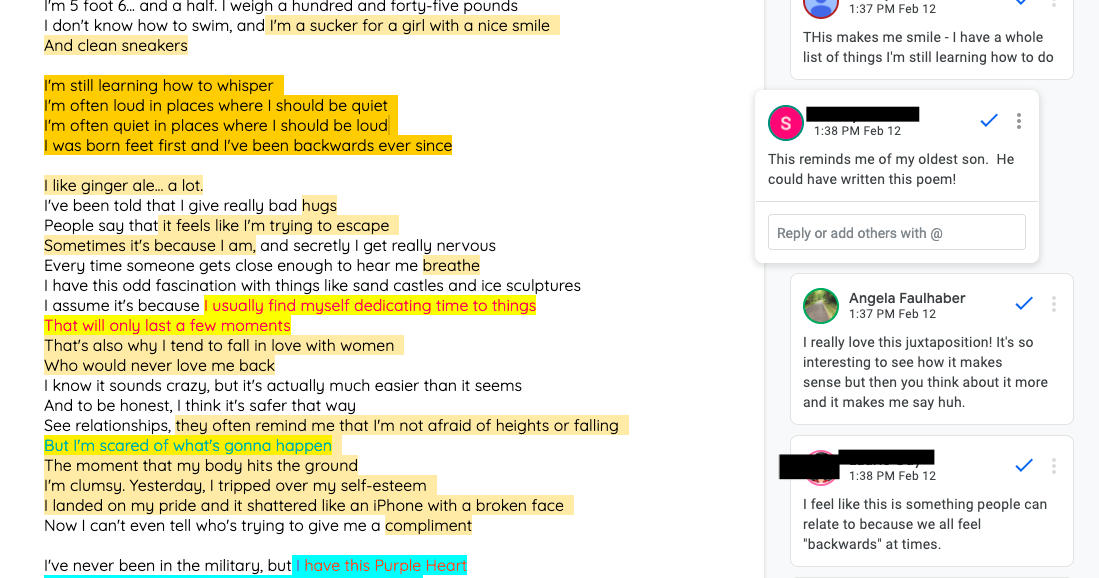
Using this simple tool was great for so many reasons:
- Everyone knew how to use it, so we didn’t have the lag of learning a new piece of technology, or signing up for an account.
- Participants were able to talk directly to the text. They didn’t have to copy & paste anything and put it into a new spot. It was all right there, and that created an immediacy to the experience.
- Layers upon layers. Multiple people could comment on the same thing, and have different reactions. They could also comment to each other and it was all right there. They didn’t have to go back and read posts and then comment on those. They didn’t have to read through comments and post on at least two other people’s comments. It was there, happening in real time.
- Instant. Real time conversation. Yes we were all looking at our computers but we were active, not passive. We were creating connections and challenging ideas.
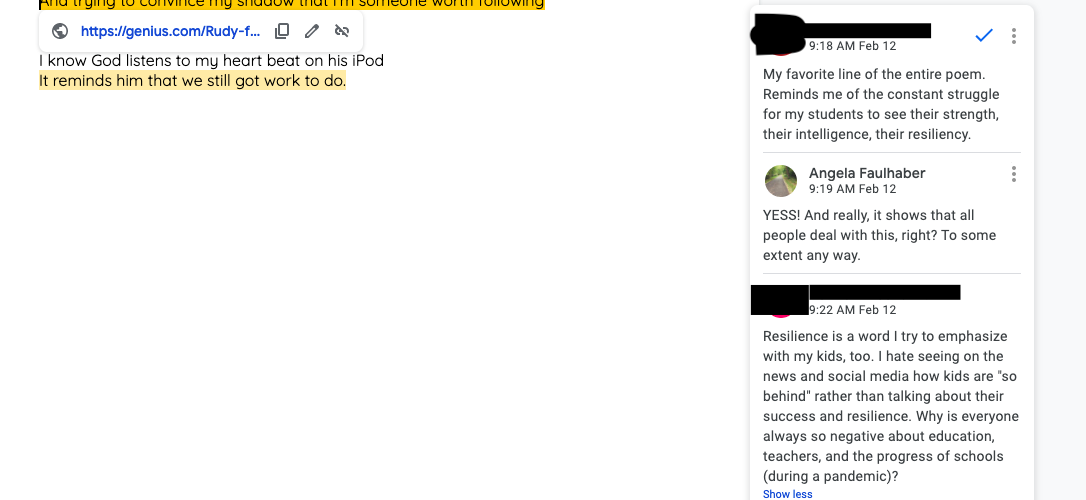
During the debrief I asked “what are you noticing?” And once again everyone was silent. I used to think that the silence meant folks weren’t engaged. But the evidence of engagement was written all over the page. That pushed my thinking about what it means to be engaged.
Sometimes I worry that we’re looking for engagement in the wrong places. Are screens on? Are they talking? What if instead we thought about finding different ways to engage? Using google docs for a silent conversation reminded me that this can be a simple yet rich experience.
What are some tools that are helping you build community and connections?
Angela Faulhaber is a literacy coach in the Cincinnati, OH area where she supports K-12 teachers. When not working, she’s been busy driving kids to sledding hills and dodging yellow snow with her dog.









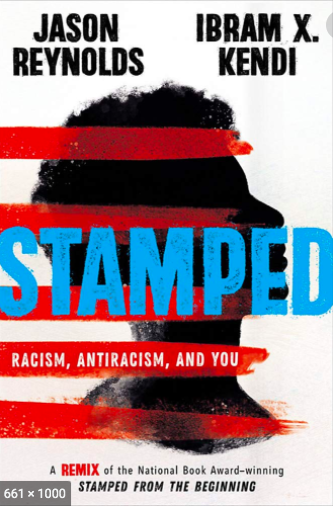 My fifth grader and I are currently reading Stamped: Racism, Antiracism, and You by Jason Reynolds and Ibram X. Kendi. According to the eleven year old (11yo): “I think it gives a really good idea of the history of racism and anti-racism, even though, as Jason Reynolds says, it is NOT a history book.” When I asked my 11yo what it does, he explained that it goes through every detail from the earliest period on and tells a really good story through it. Although we aren’t finished yet, he would recommend it to other kids and adults because “it shows how bad people have been.” One example is what happened to Black soldiers from the 25th Infantry Regiment: “they were kicked out of the army and some of them had been falsely accused of killing a bartender and wounding a police officer. These soldiers had been the pride of Black America and had done much for their country.” I recommend it as well, for fifth graders to adults. Jason Reynold’s remix of Stamped from the Beginning uses a conversational tone that shifts to sarcasm at just-right points to reinforce the gravity of the history and perspective shared. 11 yo and I take turns reading, and I ask him follow up questions. I wish I had this book to challenge and expand my worldview at his age. Yet, here we are, growing together.











 When students
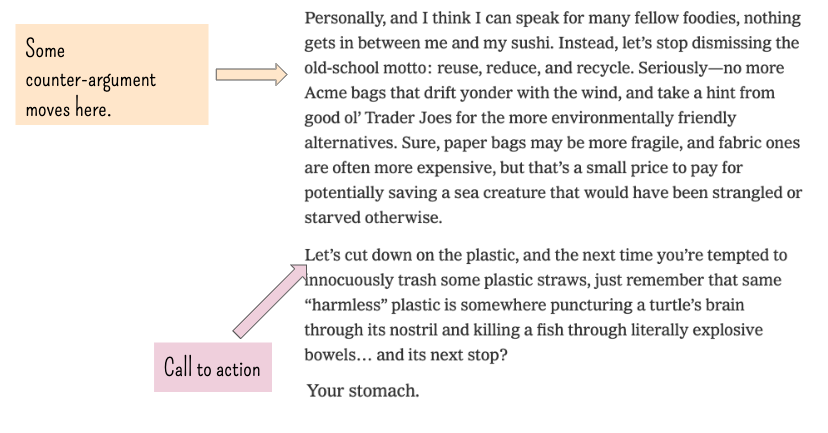
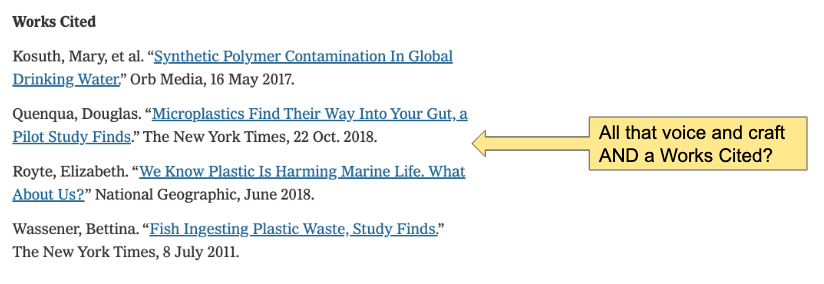
 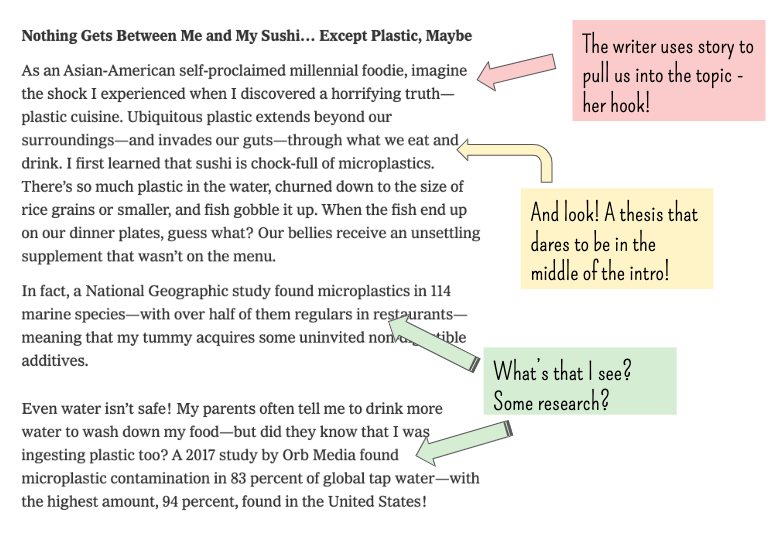 When I model for my writers what it looks like to read like a writer, we start to notice thing we can do in our own writing, and more importantly, we can start to think about HOW we can do them in our own writing.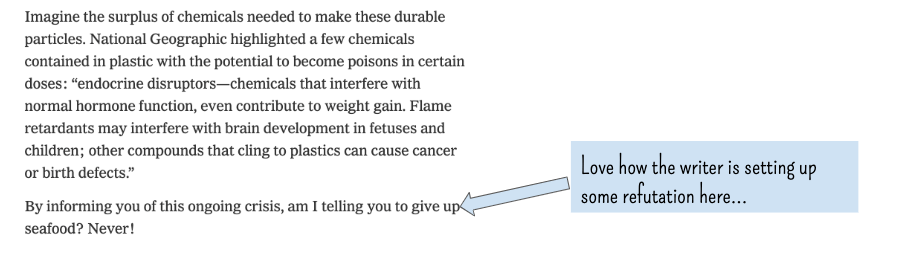
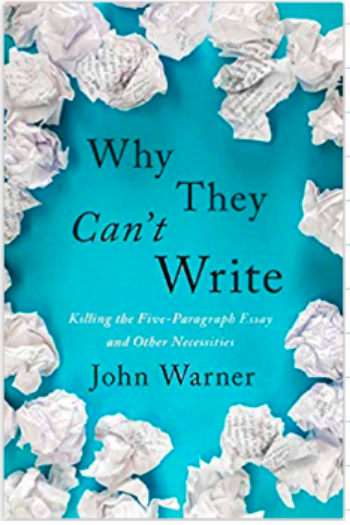 In here, Warner, who’s a college professor, talks about how limiting this kind of writing is, and explores other ways of teaching. For ways of thinking about literary analysis, check out Rebekah O’Dell and Allison Marchetti’s book
 Like so many teachers blessed with a growth mindset, there are always several ideas bouncing around my head that, if realized, might temporarily satisfy my constant need to innovate my teaching practice. Hopefully, new moves and ideas lead me toward maximizing the delivery of instruction and the transfer of learning. Heading into the TCTELA convention back in January, my head was like a Dumbledore’s pensieve, ideas swirling like memories.
 Three Teachers Talk