The AP Language test is a month away. Only 14 school days (Spring Break, y’all. Woot!), which means 7 class periods with each of my AP classes between now and the big day.
This imparts in me equal parts excitement, dread, and crippling panic. I’m not sure what my problem is. I’m not the one taking the test, but my test anxiety runs high.

Now, Amy has written beautifully in the past about the test scores and how little they really mean. How AP and workshop can be beautiful partners. I applaud her conviction. I need to learn from her resolve. Because all year, I can workshop and weave in test prep (in other words, my priorities are straight – I’m building readers and writers, not test takers), but when the test draws near, I start thinking in numbers. Always dangerous.
When this happens, I feel my brows furrow. I’m suddenly focused on the wrong thing.
I can FEEL it.
Experimenting with workshop during semester two of the 2014-2015 school, I very purposefully placed reading and writing experience above test prep. My scores went up. Last year, I was all in. Lots of student choice. More focus on why and how, instead of what. My scores went up.
Do students need practice with the multiple choice format? Yes.
Should they write several AP practice essays over the course of the year with self scoring, student sample analysis, peer and teacher feedback? Certainly.
Will students be prepared for the test if test prep is secondary to building authentic readers and writers all year. Unequivocally, yes.


Just a few days ago, Donalyn Miller beautifully stated that the best way to improve test scores naturally is to “provide access to books, encourage free choice, give children time to read, and actively support their reading development at school and home.” Her piece for the Nerdy Book Club furthered my determination to remain focused on my students as readers, not as test takers. This is what workshop does. Focuses on readers, writers, and the humans who are so much more than test scores.
Here are a few suggestions to keep focused on what really matters (in my humble opinion), even as AP tests draw nigh, and frankly, in the face of any “big” test.
1. Focus on Experience
I tell my students every year, that living life and being aware of humanity in general is the best argument preparation there is. So, when I saw Elizabeth Matheny‘s spring break Twitter challenge, I immediately asked if I could adopt the idea. Matheny provides her students with a hashtag to document their adventures and several suggestions of ways to really live it up over break as a way to not only build community, but provide inspiration for narratives her students will write in the coming weeks.
I’ve got some ideas brewing to have my students write their own author bios (like the quippy book jacket variety) after break to celebrate themselves as writers. Documenting new experiences may be just the thing to provide focused attention to new passions and open eyes to the wider world.
My students will start Friday using #langbreak. Follow our adventures and feel free to add your own if you’ve been waiting all this time for break like we have!
2. Write from the Heart First
I used to have students write endless practice essays. Knowing the format seemed important to scoring well, so I had students write in class, take prompts home over the weekend for homework, and churn out essay after essay of (no offense former students) formulaic crap that I dreaded grading.
These days, I’ve embraced a new philosophy. My students need to write more, but practice essays aren’t the thing. Quick writes in class are the thing. Weekly one pagers building their fluency and skills of expression about quotes that stick with them from readings are the thing. Poems about community are the thing. Book reviews on texts that make them feel smart are the thing.
The thing is, students build their writing skills in writing what they care about. They can then apply that to the essay at hand, regardless of the essay type. I spend a small amount of time going through the specifics of the argument and analysis essays, and then we look at countless mentors, we read as writers, and we learn how to effectively break the “rules.” The College Board suggests that effective essays are built from developing a “personal style.” No mention of five paragraph essays to be found.
3. Talk
- Speed date prompts for the sake of brainstorming (not more and more writing – do that elsewhere)
- Discuss current events
- Share insights on readings (assigned and independent) through the lens of analysis (or argument, or synthesis)
- Reflect on multiple choice passages without the questions
- Solicit feedback on writing and make connections to specific skills to move that writing forward
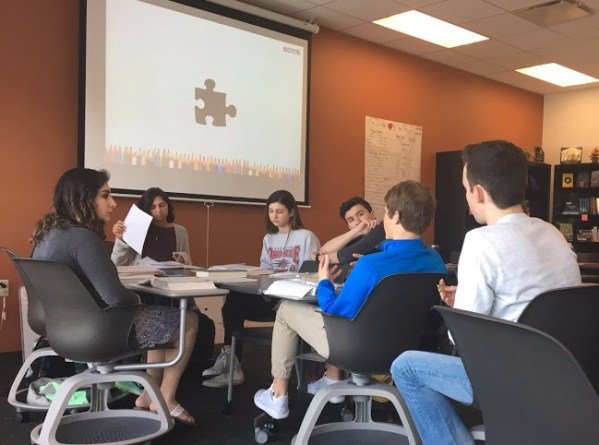
4. Review Your Reading Lives
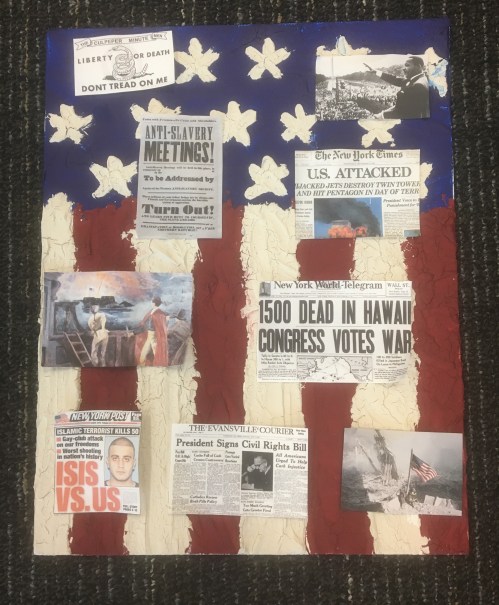
At least one class period each year, right before the test, is reserved for a trip down memory lane. Students get into small groups and list common themes they have seen in argument prompts we’ve discussed over the course of the year (good vs. evil, power struggles, individuality, etc.). They then make lists of everything they’ve read, studied, reflected on that might be good evidence for arguments related to those ideas.
We fill posters upon posters of ideas to put around the room and remind ourselves how incredibly smart we all are. No one need fear “not knowing what to write.” Students have been preparing for this test since they learned to read, just by reading and living. Little review required.
5. Make Class Time Count
This is a “to each their own” example. Many classes do very little after the AP test. Students relate that they “worked really hard to get to the test” and the class periods up until the end of the year are free time as a reward.
I reward my students after the AP exam too. We have another book club (students are choosing this year from this extensive list of nonfiction titles, to which I just added the Pulitzer Prize winner Evicted) and they complete a multigenre project on an area of study we’ve not explicitly studied together (sports, politics, language, pop culture, etc.).
My class is about reading, writing, speaking, listening, and investigating life. That doesn’t stop because students took a three hour test.
Lisa Dennis teaches English and leads a department of incredible English educators at Franklin High School near Milwaukee. Her spring break will include finishing Sabaa Tahir’s A Torch Against the Night, spending time tiptoeing through the tulips with her daughter Ellie, and taking her own advice to live a little and try something new (curling, anyone?). Follow Lisa on Twitter @LDennibaum and follow her students’ AP Spring Break adventures on Twitter #langbreak.




 . I smiled for nine miles (it takes awhile to download when you’re actively running down the street). Poehler’s voice is sincere, relatable, and funny as all get out. Easy to book talk.








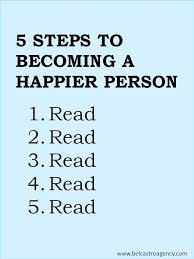 All week, I’ve been thinking about Pernille Ripp’s exasperated plea, “
 After I read Pernille’s post, while thinking about this idea (read: beating myself up for slaughtering kids’ love of reading), I pulled out one of the most memorable texts I read while in college–Janice Pilgreen’s The SSR Handbook. In the foreword, Stephen Krashen writes:
 This “problem” sort of took me by surprise. With my head hanging low, I must admit there was a time, not too long ago, when there were very few books in my classroom. There were very few books in my life period, besides the ones I “taught” year after
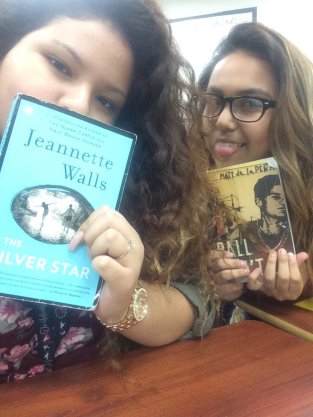
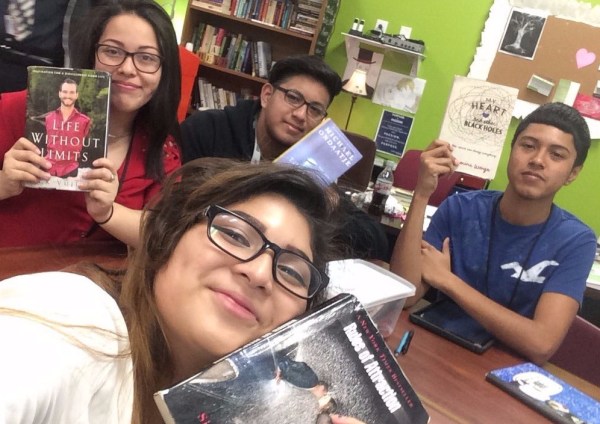
 lining the walls of my classroom and students clutching copies of countless titles to their bosoms. Ryan Gosling walked into the room and said, “Hey girl. I really love the work you’re doing for public education. Let’s get those kids reading more. Cool?” When I came to, I was blushing, but more importantly, I knew that my students needed more choice. More challenge. More access to books.
 by Patrick Rothfuss to our a class. A little bit here and a little bit there made the reading a habit again. I bought the book and handed it to one of his peers who flew through it too.
 . It was really good, but I might be over nonfiction for a while.”
 ). Have you read this one yet? Take a look at the reviews in the front from past readers. This is a great book.”
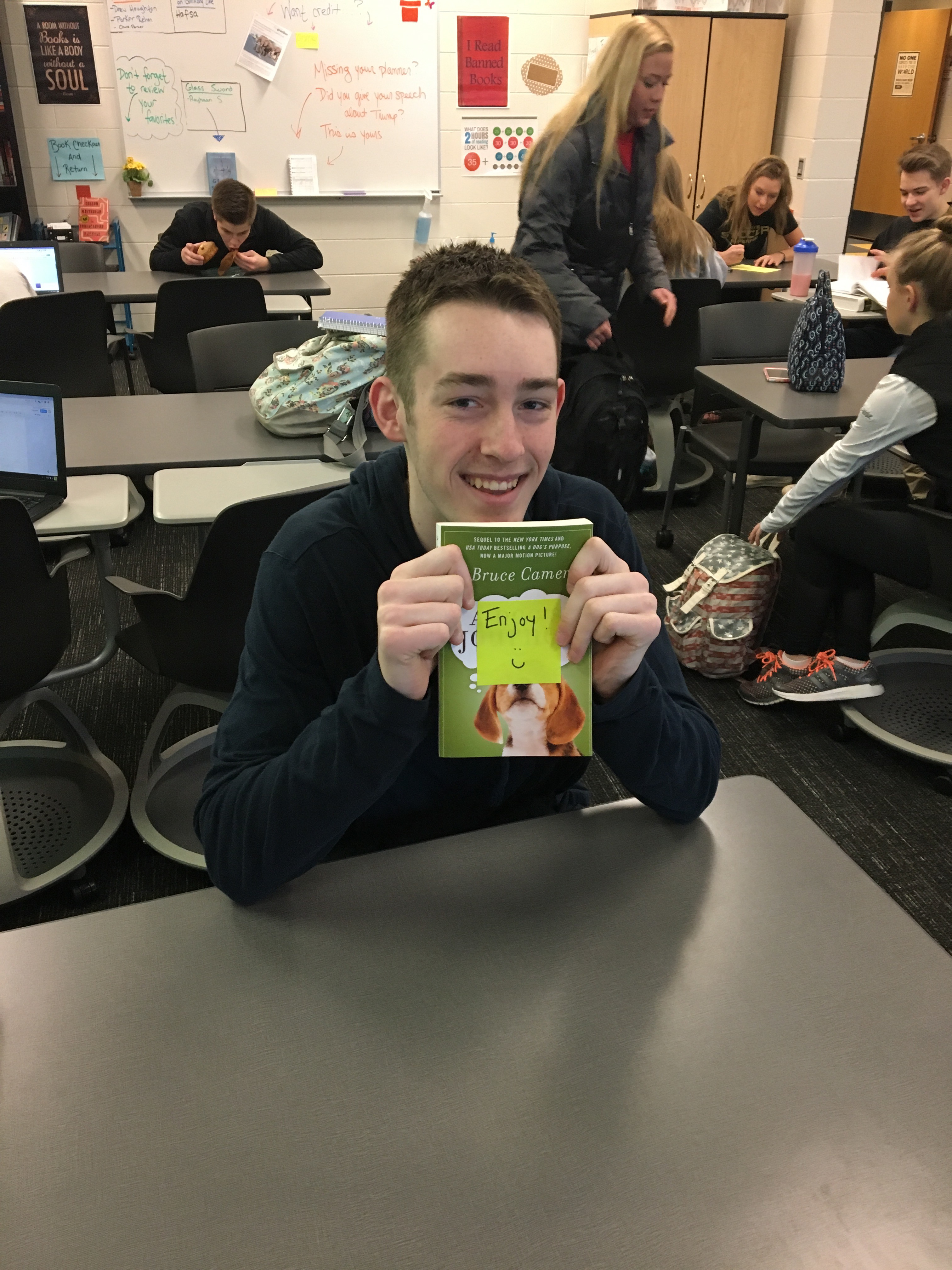
 last week, I put in his hands a copy of her incredible new release. He had asked for my copy a few days later when he finished his latest read, but it had already been checked out. He looked crestfallen. When I saw it yesterday on the new release cart in the library, I checked it out, and hunted JJ down during our resource period. “Wow. Thank you!“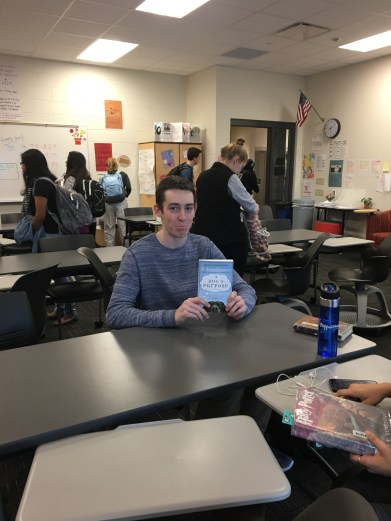
 smile and/or a small purchase will secure some free or discounted books.
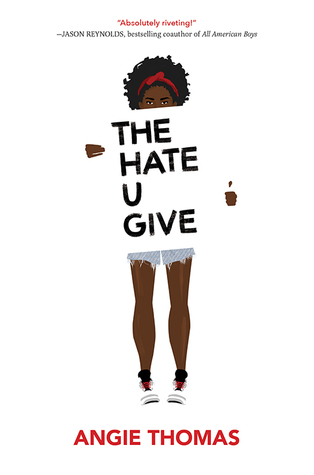
 by Angie Thomas,
  by Ibi Zoboi, and
  , the story of a school shooting told from various perspectives and written by 17 YA Lit. authors. Follow Lisa on Twitter @LDennibaum.

 other worlds and become part of them for the time we are in that book,” although that interpretation is certainly vital to developing readers who love books and to gaining empathy.


 “Mrs. Dennis, do you remember emailing me about my one pager this week? You asked how I was liking The Association of Small Bombs.”


 Three Teachers Talk