Tag Archives: AP English

Mini-lesson Monday: Student Writing as Our Mentors for Sentences

I read Learning by Teaching by Donald Murray this summer, and I finally understand the importance of using student writing as the main text in my writing class. While I’ve believed students can learn from
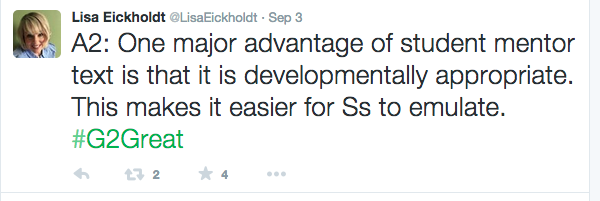
I lurked on this chat. Many positive examples of learning from student writing.

I lurked on this chat. Many positive examples of learning from student writing.

reading one another’s work, and I’ve often asked them to read and give feedback — on drafts and published pieces — I’ve never thought to actually use the text to teach a concept. I don’t know why. I supposed I’ve always relied on mentor texts by The Pros for that.

I am changing my tune. Here’s a bit of a lesson that worked better than I could have imagined.

Objectives:  Using the language of the Depth of Knowledge levels, students will write about their lives, and share their writing. They will recognize a wide variety of sentence structures. They will identify patterns, devices, and/or figurative language and discuss its effectiveness in creating meaning. They will revise their writing, formulate their own sentences, and apply their understanding to future writing assignments.

Lesson: Project the image, and ask students to write in their writer’s notebooks one sentence that answers the question. Remind them about what they know about various sentence structures and how punctuation works within a sentence.

“We can pack a sentence with a lot of information if we punctuate it correctly. Pay attention and see how you do. You can write any sentence, but try to not write a simple one.”

Give students about five minutes to write.

Next, ask for a couple of volunteers who are willing to write their sentences on the board. Be sure they understand that there is no judgment.

“We just want to talk about sentences.”

While two or three students write their sentences on the board, ask the other students in the class to read their sentences to each other.

one sentence

One at a time, read the student sentences on the board. Ask:  “What do you notice?”

Ethan sentenceTalk through the various comments students make, noting parallels, punctuation, clauses, word choice, etc.

Watch for teaching points. Ethan’s sentence on the left gave us a lot to talk about:  parallelism, use of semi-colons, colons, …

Next, ask students to return to their notebooks. “How can you make your sentence better?”

Allow time for revision (and time permitting, more sharing.)

Why this lesson works, especially for a writing lesson at the beginning of the year:  It’s just a sentence!

And sometimes we get a bonus gift like this one my class got from Edward:Edward C sentence

“I am the guy who picks people up when I, myself, am down; I am the guy who cares so much over things so little; I am the missing piece to a puzzle that has been forgotten; I am now by a sad and quiet shell of my former self; I am Edward Campos.”

The class hushed. All eyes turned to Edward.

“Wow,” I said, “Thank you for sharing this writing today. You’ve made yourself vulnerable, and we value that.

“First of all, we need to know that you are okay. Will you explain a little more what you mean here?”

Edward explained that he used to be fun and outgoing. He felt strong and powerful. Then at the end of last year and over the summer he learned his friends weren’t really his friends so much. Now, he feels alone and like he’s not the person he used to be.

“Hey, everyone, how many of you have ever felt like Edward?

“Look around, my friend, do you see all those hands? Everyone here has been where you are. We understand. You have new friends here.”

Two girls at Edward’s table leaned forward and touched his arm. “We’ll be your friends,” they said smiling.

And he smiled back.

Of course, because I am me — and I never leave a teaching moment untapped — we talked about the structure of Edward’s sentence. And we talked about the word choice:  “Why ‘forgotten’ instead of ‘lost’?”

When we watch for teaching moments in student writing, we will find them. Every single time.

Follow up:  In class the next day we did some free-writing in our notebooks in response to the spoken word poem “Hands” by Sarah Kay. Before we wrote I reminded students to pay attention to their sentences. Then instead of sharing the whole of what we wrote with the class, we only shared our favorite sentence. I consider this valuable formative assessment.

Now, I will hold students accountable for crafting their sentences with care in their upcoming writing assignment.

“The words of the world want to make sentences,” said Gaston Bachelard. I say, “We have to help them.”

Please share your best tips on getting students to pay attention to their sentences.


©Amy Rasmussen, 2011 – 2015


#FridayReads I Want All My Students to Experience This Kind of Reading

I’m always a bit nervous about how to introduce the volume of reading we will do in my AP Language class. Although students have heard that AP is “hard,” they don’t really know what that means until they start to see some of the texts they must read, understand, unpack, and analyze.

The biggest problem with all this reading:  most 16-year-olds are not readers. At least not when they come to me. (They do change.) Somewhere along their educational journey, the love of reading has gone by the wayside. Most tell me in our very first conference that they used to love to read. Few can tell with any specificity why they stopped. (I have my own theories.)

I’m constantly thinking of ways to help my readers fall in love again. If students are not reading, they are not growing as readers. It’s pretty simple logic.

And frankly, I want to live in a community of people who read. My current students will live on my street, work in the shops I patron, send their kids to my new grandson’s school. I want to be surrounded by families who enjoy literate lives because their lives will rub shoulders with mine.

Literature could change the world if we let it — if more people read it.

If we encourage what Louise Rosenblatt calls a sense of emotion, an aesthetic experience, in our young people, more of them would read. Rosenblatt explains how our readers need transactional experiences with the books they read:

“The transaction involving a reader and a printed text … can be viewed as an event occurring at a particular time in a particular environment at a particular moment in the life history of the reader. The transaction will involve not only the past experience but also the present state and present interests or preoccupations of the reader.” It’s like the letters on the page come to life, and the meaning of the words dance into the reader’s mind and heart. She has an experience with the text that remains long after she closes the book.

I want all of my students to experience this kind of reading.

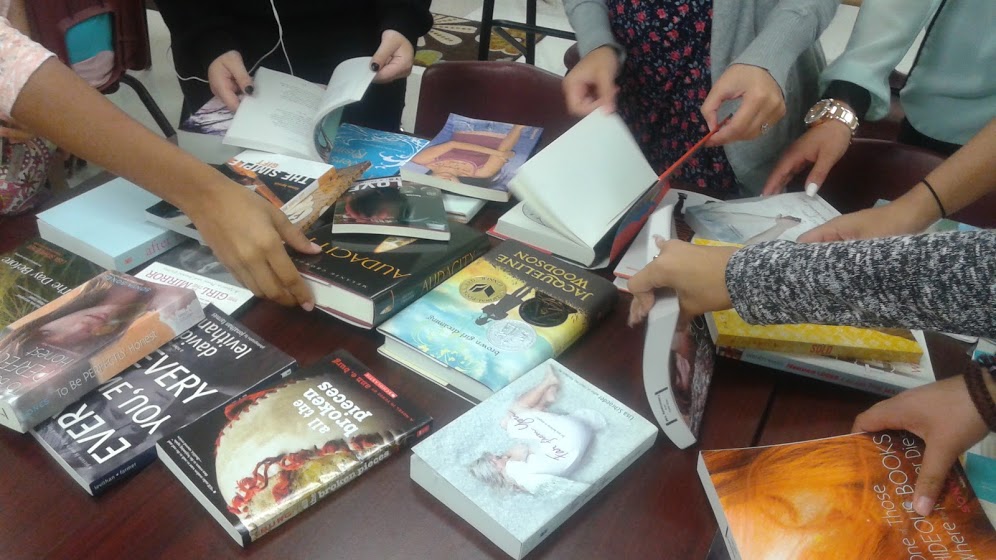
novels in verse 1So the first week of school I opened packages. Thanks to Donors Choose I had package after package arrive at my classroom. Each packaged filled with brand new novels for my brand new students. Most of them novels in verse — a powerful gateway back into reading with next to no stress. Few words on the page, and engaging story, vivid word choice, and a storyline brimming with emotion.

I book talked Chasing Brooklyn. It found a home in eager hands, as did To Be Perfectly Honest, The Crossover, Like Water on Stone,  My Book of Life by Angel, and many more.

If you’d like to build your Poetry shelf, or just add novels in verse to your classroom library, here’s a sampling of the books sweet donors gifted our classroom with this fall:

Like Water on Stone

The girl in the Mirror: A Novel

Audacity

Two Girls Staring at the Ceiling

The Red Pencil

The Vigilante Poets of Selwyn Academy

Perfect

October Mourning: A Song for Matthew Shepard

To Be Perfectly Honest: A Novel Based on an Untrue Story

What My Mother Doesn’t Know

The Simple Gift

The Secret of Me: A Novel in Verse

The Crossover

One of Those Hideous Books Where the Mother Dies

Every You, Every Me

Brown Girl Dreaming

I Heart You, You Haunt Me

Sold

Heaven Looks a Lot Like the Mall

Love, Ghosts, and Facial Hair

All the Broken Pieces

Geography of a Girl

Who Killed Mr. Chippendale?

(Note:  Shana’s the expert on building a classroom library by getting donations. Read about how she does it here. She’s got more ideas than just Donor’s Choose for books.)

Share your ideas on helping students have personal and meaningful experiences while reading…

©Amy Rasmussen, 2011 – 2015

I’m Teaching Writing to the Whole 5th Grade — Now What?!

I received this note in a Facebook message:  I had big changes in my classroom assignment this year… moved from 2nd grade to 5th… turns out… after getting there I got the assignment of teaching writing to the entire 5th grade…. not what I really signed up for…. I have not only NEVER formally taught writing (as a process) beyond complete sentences… and moving toward paragraphs…. but I never even had a class in in it in college….. any suggestions on where to start and where to go with it? I will have 4 units of 12 days each during the year with each of the 5th grade classes….. suggestions?

Say you had to analyze the tone, what adjective would you use? concerned? riled? desperate? beseeching?

Let’s look at the clues:  “big changes,” “turns out,” “entire,” “not what I really signed up for,” “NEVER,” and all those “…..”

I could write an entire post on why the kind of changes this teacher has had thrust upon her is so disrespectful to her as an educator, as a professional. But I won’t. I just needed to say that.

Of course, I answered, and I will offer support and help any way I can. You would, too.

Maybe others have similar experiences and are new at teaching writing. Here’s how I answered my friend:

Yes, I have suggestions! Haha. Tons of them. You know I teach AP Language and Composition, right? Just writeThat’s juniors in high school, but good writing is good writing. Your instruction with your 5th graders can look very similar to mine. (And I hope it will.)

Here’s the non-negotiables in my writing class:

Writer’s notebooks. I use the black composition notebooks. Students cover them, personalize them, and make them mean something other than just a notebook for school. We write in them every day as a way to explore our thinking. I might give a prompt, or read a poem, or watch a news clip…whatever, and then I ask students to think and respond. These quickwrites become places to mine for ideas for topics we might develop into more formal pieces. Writer’s notebooks are required and loved in writing classes where students have choice and autonomy, two important components of effective writing instruction.

Mentor Texts. Mentors are texts that look like the writing I want students to practice. For example, if we are writing narrative, I want students to read good narrative writing. If we are writing book reviews, we need to study the structure of book reviews, etc. The authors of these mentors become our “writing coaches.” We study the moves the writers make, and then we try to make those moves in our own writing. Students learn from good models. They do not learn from poor, fix-the-grammar-and-punctuation worksheets or anything of that ilk. Research on that is plentiful.

Choice. When students have choice in the topics they write about, they are more apt to take ownership and care about their writing. Just like you and me — we do not want told what books we have to read, TV shows we have to watch, or essays we must write that show we learned something from pd. Topics matter so much to the effort students will put into their writing. We have to let students choose what they want to spend their time focusing on. Sometimes we need to nudge them. Sometimes we need to help them narrow the topic. But they need to always have a choice if we want to really teach them anything about writing. Save the formal test-like prompts for practice after students learn how to mine for ideas and develop those ideas in writing they want to do. Test writing can serve as a genre in itself later.

Time. Schedule time within the school day for kids to write. Let them know you are there to help. When they write with us, 1) we know they are writing and not a friend or parent, 2) we see their process and know where the struggles are.

Conferences. Meet with writers throughout the writing process, beginning, middle, and end. Ask questions that provoke their thinking. Let them talk about their ideas. Avoid giving advice, rather validate the students’ ideas and speak to them as writers. (Focus on the writer and his needs over the writing and what it needs — avoid the red pen at all costs.)

Modeling. Write in front of your students. This is probably the most effective instructional tool you have. Students need to see the messiness of the writing process. They need to know it is hard — even for a teacher. I try to write every assignment I ask my students to write. I start writing in front of them and let them see my thinking, my errors, my revision, my re-organization, all of it. Too many student writers think they should be able to write well in a one shot in the dark deal. That’s why they refuse to revise. We have to show them that writing is difficult and confusing and time consuming. We have to give them opportunities to see the struggle, so we can convince them that the work is worth it when we’ve finally been able to say what we want and need to say in our writing.

Talking. “Writing floats on a sea of talk,” I heard Penny Kittle say. Talk with students about their ideas, their process, their everything concerning writing. Encourage them to talk with one another. Talk and Write. Read and Talk and Write. Talking works to stimulate thinking and provoke the pen to action.

Celebrating. Feedback matters, even at the sentence level. Invite students to share their writing. This can be a sentence or a complete piece. Celebrating good writing along the way is a more effective feedback tool than a grade at the end of publication. Whips Around the Room that invite all students to share a favorite sentence or passage, Author’s Chairs that invite students to read a best draft, Posting on Blogs and inviting students to read one another’s work and leave comments, are all ways to celebrate writing — and help students understand the importance of audience.
Some of my favorite RESOURCES:

National Writing Project — Resources page

Read Write Reflect — Katherine  Sokolowski’s blog — the reflective practices inside a 5th grade classroom

The Nerdy Book Club — a community of readers (and teachers of readers) — read about books, reading, writing, and more!

Two Writing Teachers blog — more tips on teaching young writers that you can digest in one sitting

Moving Writers blog — Rachel and Allison show they are the best mentor text finders on the planet

And of course, my own blog: Three Teachers Talk where we write about Readers and Writers Workshop

Lucy Calkins quoteBOOKS you will consider life savers:

In the Middle by Nancie Atwell

Read Write Teach by Linda Reif
Write Beside Them by Penny Kittle

And I haven’t read this one yet, but who doesn’t want to be unstoppable? The Unstoppable Writing Teacher by Colleen Cruz
I imagine you are overwhelmed. No, I cannot really imagine. I do know that you are smart though, and you love children and teaching. You will do a wonderful job inspiring students to write — that is half the battle.

The learning comes from doing. Get your students writing. The more they write the better they will write. I see it every year.

Best blessings,

Amy

Did I leave anything out? What advice do you have for this emerging writing teacher?

©Amy Rasmussen, 2011 – 2015

Talking about the First Day of School

I keep changing my mind. Students begin next Monday, and I cannot decide what we should do first.

In years past, I copied the syllabus and various other “need-to-knows,” and students sat with blank stares and asked a few meager questions as we read through them together.

“Let them know on day one how difficult AP English is,” a colleague advised me several years ago. “That’s what I do. I let them know what they are in for.”

Before I knew better, I thought that was a good idea. Be firm. Be serious. Let them know that an advanced English class would take a lot out of them. Leave ’em shaking in their Converse.

How dumb. Imagine attending a professional development session where the instructor put on this show. We’d laugh — or leave — wouldn’t we? (I would. My friends already know how difficult a time I have sitting still.)

Shouldn’t our first day of school be inviting?

Think about elementary school, how kind the teachers were, how much they wanted us to feel welcome and special, beginning on Day One. I remember Mrs. McBee (1st grade), Mrs. Nelson (2nd), Mrs. Smallwood (3rd), Miss Dallas (4th), Mrs. Holland (5th) — every one of them smiled and laughed and made me feel important on the first day of school. They set a precedent for every day to come.

I want to be that kind of warm.

One year I thought I had less chill. I prepared my room by piling high-interest books on each table, and after a brief introduction, I told students my plan to help them love reading. I explained my expectations for their reading lives. They chose a book and read for two minutes, chose another and read, chose another and read. They did this reading carousel for several rounds, and I asked them to choose their first independent reading book. They did. I thought Day One a success because 7/8 of students left with a book that day.

They also thought I was crazy. Distant. Cold. Unapproachable. They told me this much later.

I realized my mistake. If you look at that paragraph above, you’ll see it:  all those “I’s” and “they’s”. Everything my students did on the first day of school had to do with what I wanted for them. I did not invite them to think, to explore, to discover, to talk to me about how they learned, or how they need to be taught.

Shana refers to “the language of control prevalent in teaching narratives” in her post Just Let Them Write: Boys and Autonomy.

I eat the language of control for breakfast, and rely on it for power all the way to dinner time. How dumb.

If I want my students to feel welcome, invited, inspired, to want to engage in the complex learning in our classroom, I must create the atmosphere and culture that welcomes, invites, inspires, and engages the moment they walk in the door. And I think it starts with conversation.

The first day of school — I think we are just going to talk. conversation bubbles various

We’ll probably read a poem, or two, and talk.

In the introduction to Dawn Potter’s new book The Conversation: Learning to Be a Poet, she reminds us of the value of talk:

“[Conversation] combines so many different kinds of reactions — wonder, worry, curiosity, opinion, delight, memory — and all work to expand confidence, emotional connection, intellectual growth, and civil engagement.”

Isn’t that the kind of community we want for our students this year — one that builds and sustains confidence, emotional connection, intellectual growth, and civil engagement?

I do.

©Amy Rasmussen, 2011 – 2015

Book Clubs in AP English: Just let them talk

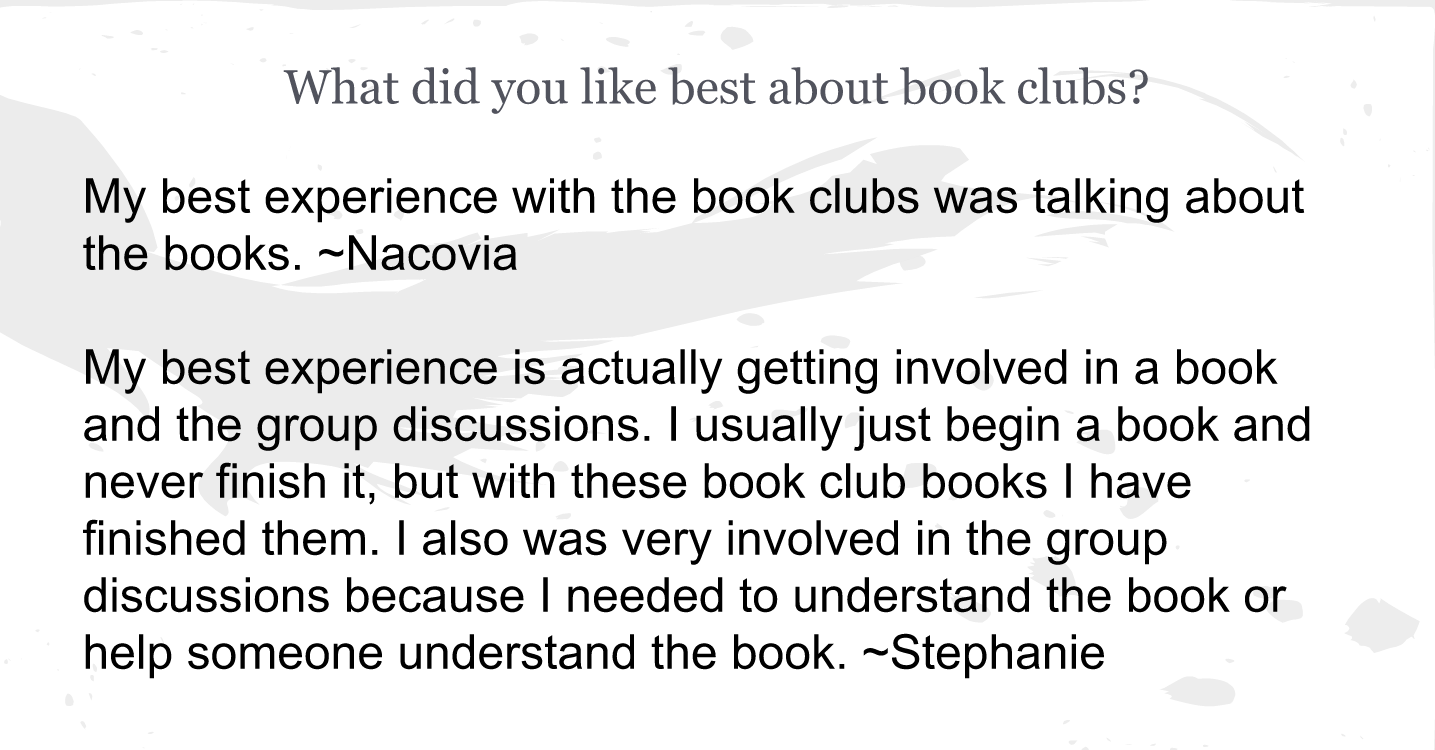
Some of it was great. Some of it not so much. I’m talking about the book clubs in my classroom this Screen Shot 2015-05-02 at 5.42.03 PMyear. The great was actually my students reading and talking to one another about that reading. The not so much — the way I did assessment.

This is what I learned and what I will change for next year:

Book Clubs serve as a way to challenge my readers into the more complex books that many of my students would never choose for themselves. Book Clubs also allow my readers to talk about books in an authentic way without the strictures of guided reading questions or anything else that might lead to Readicide. (‘Read-i-cide: noun, the systematic killing of the love of reading, often exacerbated by the inane, mind-numbing practices found in schools” –Kelly Gallagher) I wrote about the importance of balance literacy and how book clubs fit into that in this post.

I provide a short list of titles that I know contain fantastic stories of resilience, survival, hope, courage, and any other trait that prods readers to relate to the human experience. I introduce the books, usually with book trailers or video interviews of the author’s, and I include either on paper or a projected slide the synopsis and ratings from Goodreads or Amazon.

Students select their books, often talking with one another and making selections together. I ask students to purchase their own books, so they can annotate anything “interesting, intriguing, puzzling, contradictory, or you just plain do not understand.” Since most of my students come from less affluent families, we talk about the importance of libraries and surrounding ourselves with texts that can inform and influence our thinking. Often, students will purchase more than one of the books I introduce for book clubs. I also have a few copies of the texts in my room that students may check out if they cannot purchase their own. I always think my copies will be used more than they are, but I’ve learned that my readers like to buy books. Most feel the sense of ownership that I want them to feel.

Our first book club this year, I gave students a choice of the following titles, all centered around themes of family and parents and how they influence our upbringing and our choices:

Extremely Loud and Incredibly Close by Jonathan Safron Foer

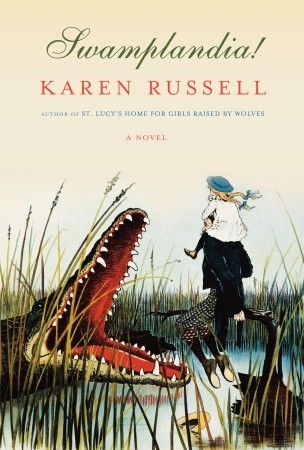
Swamplandia by Karen Russell

The Curious Incident of the Dog in the Night Time by Mark Haddon

Girlchild by Tupelo Hassman

The Glass Castle by Jeanette Walls (literary non-fiction)

More students read The Glass Castle than any of the others, but every book was represented in at least one book club of three to six students. Students loved The Glass Castle, and they told me that they could relate to much of Walls’ upbringing.

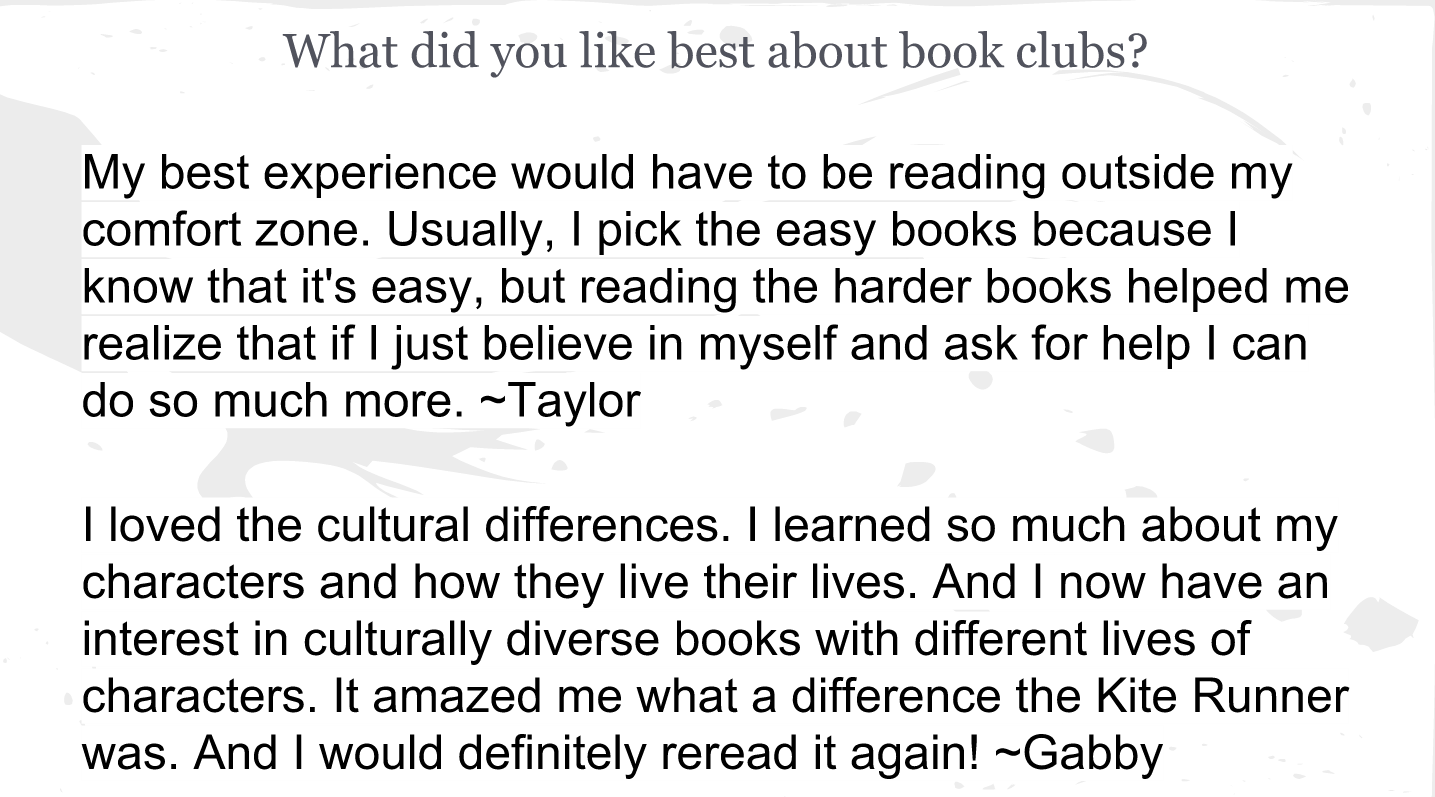
Screen Shot 2015-05-02 at 5.42.19 PMAssessment:  For this first book club, I asked students to read with an eye looking for theme. They would work with their book clubs to craft a mind map that included numerous quotes from the book that contributed to the theme, and they would analyze these quotes as part of the mind map. They could create the mind map as a paper poster or online. As they read the book, they were to mark the text like I had taught with the short passages of text we’d read together in class, and they were to also look for sentences and phrases and passage that pointed to theme.

My students did not have a clue how to do that. Most did not mark their books, so when the project time rolled around, they ended up scouring through the book or searching for quotes on Goodreads or elsewhere to find enough quotes that they could plop into their mind maps. I needed to provide more guidance in annotating, and in reading for beautiful sentences, and in making thematic connections, and so much more.

Also, I allowed students to work in groups to create their mind maps. This did not work because no one in the group would rise up and be the leader. They were new in the class and new in their friendships with one another. Group work is a topic for another post, really. This time it failed, and I’ll need to do a lot more prep work before I spend as much class time on this kind of project ever again (if I ever do).

Our second book club, students choice a title from this short list, all centered around themes of culture and how these cultures influence us:

The Namesake by Jhumpa Lahiri

Little Bee by Chris Cleeve

Sarah’s Key by Tatiana de Rosnay

The Kite Runner by Khaled Hosseini

A Thousand Splendid Suns by Klaled Hosseini

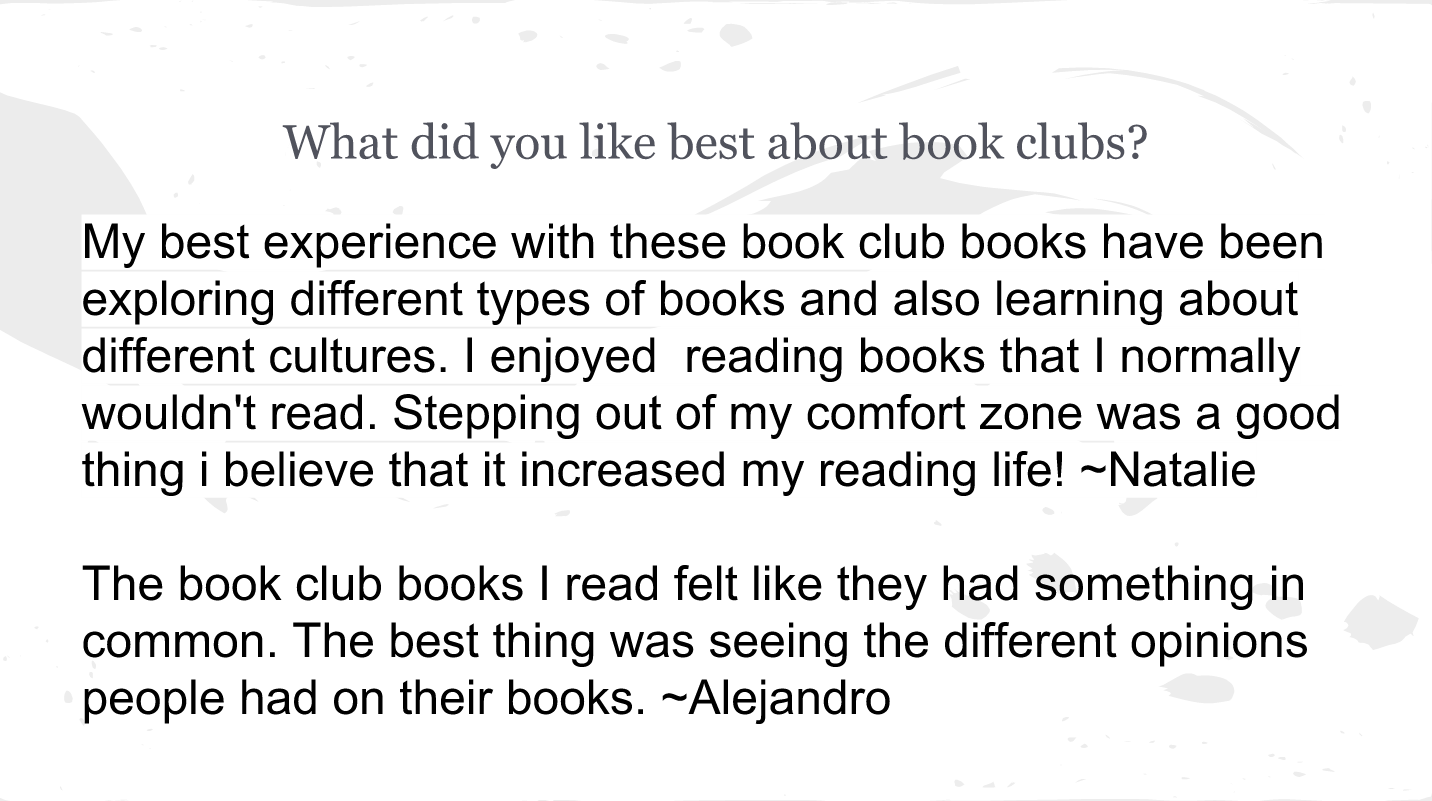
More readers chose Sarah’s Key than any of the others. Students find stories of the Holocaust fascinating, and that shelf is a popular one in my classroom library. (Erika’s, too.)  Many students read The Namesake, and at least one book club read each of the others.

Assessment:  This one was even more lame than the first. Sometimes I feel the pull to get back to a Screen Shot 2015-05-02 at 5.42.33 PMmore traditional pedagogy. I am the only one on my campus who fully implements readers and writers workshop, so I listen in often to what other teachers have their students do. If you teach AP English, at some point, you have probably had students write a hexagonal writing over a piece of literature. (Hexagonal because student write thinking about their knowledge, comprehension, application, analysis, synthesis, and evaluation as it relates to the book. It sounds like a great assignment.)

It was the worst writing my students completed this year — if they completed it at all.

I know why. There was no authenticity in it. Follow the structure I gave you. Each paragraph should be about this… No wonder they didn’t care about writing well. I was their only audience, and I was making them write something worse than a book report.

We wasted a lot of time. (The grading policy in my district requires that I reassess major grades. Hey, let’s write this paper again since you cared so much about it the first time. Right.)

Screen Shot 2015-05-02 at 5.42.45 PMMy readers would have benefitted more from a gift of time to talk about the books more. Shana posted about the value of book clubs for talk earlier this year, and after two subpar experiences I began to agree:  “asking students to keep the conversation [about their books] going for 20 straight minutes provides valuable time for students to build relationships [around conversations about their reading.]”

I would just let them talk.

Our third book club students selected titles from this short list, all centered on war (or internal war) and its influences on individuals and humanity:

The Yellow Birds by Kevin Powers

Room by Emma Donoghue

Where Men Win Glory by Jon Krakauer (literary non-fiction)

The Bell Jar by Sylvia Plath

The Things They Carried by Tim O’Brien

The majority of my readers chose to read ROOM or The Bell Jar. They loved Room, and didn’t think The Bell Jar lived up to its hype.

I scheduled more opportunities for students to talk about their books. I wandered the room, sitting at Screen Shot 2015-05-02 at 5.42.57 PMgroups and listening in as conversations circled in and out and back again. Often, I placed a stack of TableTopic cards for book clubs in the center of their table, and students used these to guide their discussions. (Looks like the book clubs version of TableTopics is no longer available. Sad.)

Next year, I will do this again. I might ask students to look for significant passages so they can practice analysis on a page they select for themselves. Here’s a post that I’ll probably show them with a sample passage for craft study.

I might have them create a found poem or a black out poem.

Or I might just let them read and talk and read and talk some more.

That’s what I do in my own book club.


If you have your own suggestions for improvement, please share them in the comments.


©Amy Rasmussen, 2011 – 2015
Okay, I Will Share My AP Testing Data

A new friend asked me if I would share any AP testing data that I’ve gathered since embracing Readers and Writers Workshop. I had to think about it since I rarely think about it. I do appreciate the question though because it led to this post.

I need to tell you right up front:  While I appreciate the AP exam as a high-stakes test, I do not lay a lot of value on testing data for many reasons.

So many factors figure into how a group of students tests each year, and looking at figures from one year to the next, and trying to compare numbers with different groups of students has never made sense to me. The only real valid data is the growth I measure from the fall when students walk into my door until they leave me in the spring. However, I can tell you that the first year I implemented Readers and Writers Workshop and gave up whole class novels in favor of encouraging students to read books of their choice and taught skills with short, sophisticated, complex texts, my students’ scores were 12% higher than my students’ scores the year before.

The best I can do to respond to your question is to quote Stephen Krashen in the article “Free Reading:”  “. . .research strongly suggests that free reading is the source of our reading prowess and much of our vocabulary and spelling development, as well as our ability to understand sophisticated phrases and write coherent prose. The secret of its effectiveness is simple: children become better readers by reading.”

And…  “Research has . . .shown that SSR is at least as effective as conventional teaching methods in helping children acquire those aspects of reading that are measured by standardized tests, and pleasure reading provides a great deal that these tests don’t measure.”

The first two years I taught AP, I tried to do it like I learned at my APSI. I assigned the traditional novels taught in American literature: The Scarlet Letter, Huckleberry Finn, The Great Gatsby, The Awakening, The Grapes of Wrath — because the other AP teacher on my campus did. I can tell you, my students did not read. They even told me later that they didn’t — lots of joking about that on Facebook a few years after they left me. They knew how to play the fake-reading game perfectly.

I know Krashen’s research centers on much younger grades than our students in AP English; however, reading is reading, and students gain skills by doing it — skills that improve their lives far beyond those tested on one day in May as they sit for the AP English exam.

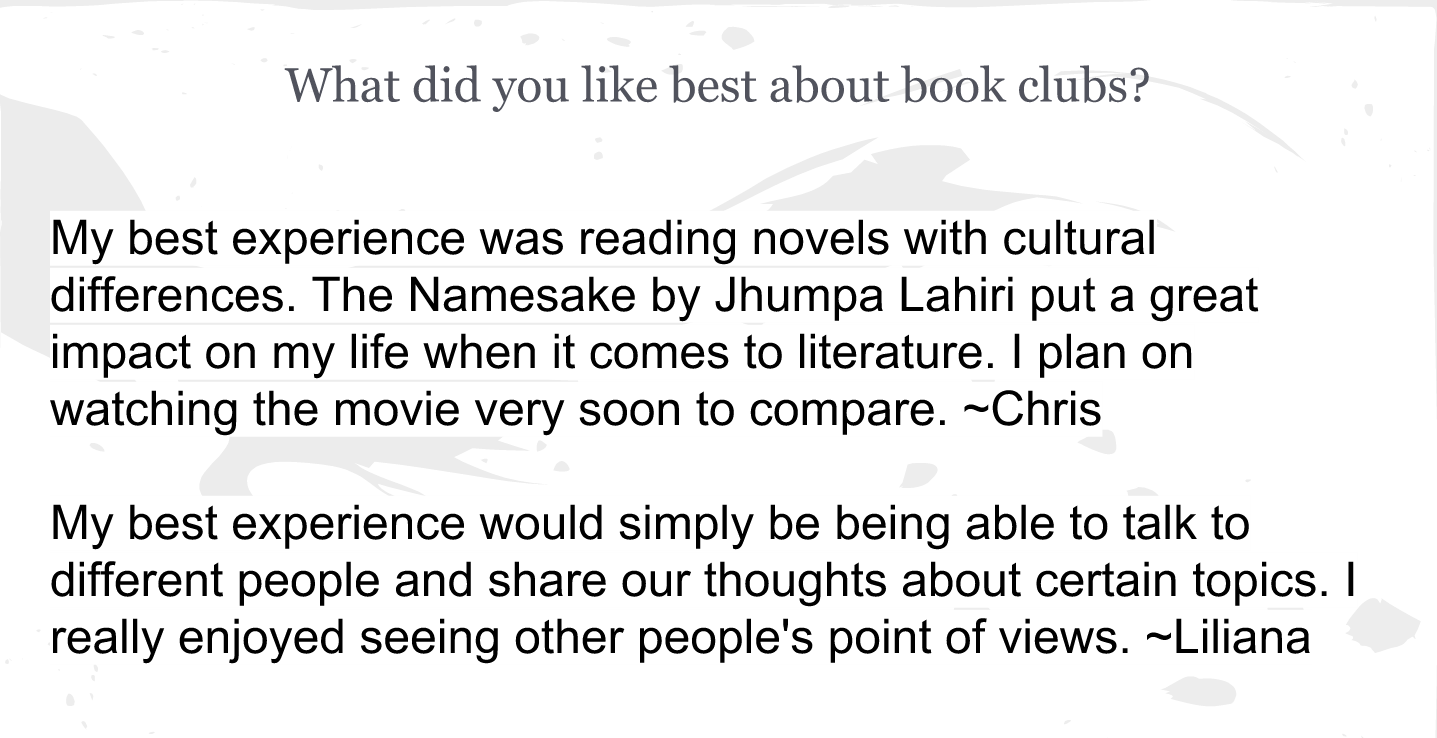
My students just wrote end-of-year reading evaluations on their blogs. Here’s a few of the highlights about reading this year in their own words. This is the kind of data I value:

“Being apart of a reading community has benefited me deeply within my entire life. Even though I didn’t read as much as I wanted to, the reading that I did do was very beneficial. Reading helped me expand my vocabulary a lot. Sometimes when I would speak to my mom I would use a word that I learned from the book I was reading and she would just look at me like she didn’t know who I was. Reading also helped me become a better writer. So many different books that I read helped me use different structures, understand how to use rhetorical devices, and use my upper level vocabulary.”  DeDe, currently reading Thirteen Reasons Why by Jay Asher

“Being part of a reading community as a student opened my mind how others thought of the book we were currently reading together. Occasionally, I’m an ostrich that’s always in the ground; thoughts to myself, ideas to myself, and the “this is what this means” mentality. I’ve slowly learned how to use the point of view of others by implementing it into my own work. In addition, this year’s English class did not feel like a burden compared to previous years. The freedom of choice we were given provided us with the decision to pick a book we enjoyed.” Doreen, currently reading The Goldfinch by Donna Tartt

“I believe the place I need to improve as a reader is being able to find the hidden meanings or putting everything together in order for me to understand a book. Sometimes without me noticing I just read to read and I forget what I read and have to read the paragraph or page again in order for me to understand it. I need to read and take everything under consideration and understand what it is that I’m reading and at the end put it back together. Maybe my problem is that I try to read too fast.” Johnny, currently reading The Alex Crow by Andrew Smith

“Being part of a reading community benefited me because I always felt like I needed to be reading a book. It felt splendid being a part of something, especially something I would of never thought I would be a part of.  I understood the importance of reading. The more you read, the better writer you will become. I realized what genre of books I liked and which ones I didn’t. Most importantly I explored a different variety of books and read a minimum of 12 books. Something I had never done before. Usually I would read a minimum of 3 books every year.” Lizbeth, currently reading Playing Dead byJulia Heaberlin

“My journey began with Escape From Camp 14. I moved through different genres and difficulty levels thereafter: Anna and the French kiss, Allegiant, High School Bites, The Glass Castle, The Curious Incident of the Dog in the Night-Time, Where’d You Go Bernadettte, The Art of Secrets, The Hot Zone, Little Bee, The Joy Luck Club, Down the Rabbit Hole, Room, Incendiary, The Wright 3, and most recently, Y. During this time, I abandoned The Kite Runner, The Thirteenth Tale, Ready Player One, Saving Fish From Drowning, Telegraph Avenue, and Station Eleven.   Even I find it odd, that out of the entire list, I enjoyed The Joy Luck Club more than any other. I say this because I’m not the patient type- I like constant action, fueled excitement. The Joy Luck Club almost counters that expectation, and if I had to describe it, I might even consider calling it boring.” Nawoon, currently choosing — just abandoned Station Eleven

This evaluation by Jasmine is too good to not share the whole of it. And this one by Shaniqua.

I just need to share one more thing, a little gift I got today as I read student reading evaluations. I know most teachers get these at one time or another.

It is the thing that keeps us going.

Laura wrote:

“I still need to improve on not judging a book by it’s cover. For us to GROW as people, we must get out of our COMFORT ZONE and pick up a shattered book because it needs someone to appreciate it’s language. As much as reading conference were sometimes nerve wrecking for me, they helped me get a second opinion on my progress in class as a human and not merely as a student. I can never thank Mrs. Rasmussen enough for dedicating chunks of her life to her students. Positivity in a world were criticism is many people’s issue is so rare and pure. She truly cares about each of us and sees past our struggles and attitudes and tries her best to help us understand it’s okay to have emotions and display them for others to see.  I’ve learned it’s more important to turn our conflicts into beautiful gifts instead of becoming a bitter person.”

Don’t you think that is better than any testing data?

©Amy Rasmussen, 2011 – 2015


7 Moves in My Workshop Schedule

Quite often teachers ask me what the daily schedule looks like in my workshop classroom.

This is a hard one. I think mainly because it is not about the schedule as much as it is about the routines, or manners, we start putting into place at the beginning of the school year.

I’ve had a lot of adapting to do this year. Moving to a new school and adjusting my lessons to fit 85 minute class periods where I see my students twice a week for sure and every other Friday — sometimes. This is quite a change from 50 minute class periods where I saw my students five days a week.

Our normal routines  — and these are non-negotiables that make workshop work — consist of reading, conferring with readers, talking about books, writing in our notebooks, revising in our notebooks, sharing a bit of our writing, and learning or reinforcing a skill, then….it all depends on our workshop task. That’s why writing about my daily schedule is hard.

Here’s the best I can do without going into a long explanation — that has to wait for my book (Penny keeps telling me that my book will never get written if I keep writing on this blog, and I know she is right. Only so much time.)

READ — 10 to 15 minutes. This is sacred and silent reading time. Students choose books that interest them. I CONFER with my readers, always with a specific focus, depending on my reader.

TALK about books. Sometimes I do a book talk, reading a few pages of the book, or holding a book interview like Erika does. Sometimes a student does a book talk, if I’ve talked to her first and know she’s passionate about the book she’s just read. Sometimes I ask my students to just talk about the books they are reading. Shana wrote about the Value of Talk, and I agree completely: “Talk is one of the most valuable tools at work in my classroom.”

WRITE in our writer’s notebooks. Everyday we need to have our students thinking on paper. When I forget, or think we do not have time, to open our notebooks and write — in response to a poem, or a video, or a story, or about the book students are reading, or about whatever — I regret it. Discussions are richer when we write first. Discoveries are more insightful when we write first. Writing is better when we write, just thinking about our ideas, first.

Then, something I learned from Penny Kittle, we always read what we wrote and REVISE. Penny modeled revising with a different color, and I ask my writers to do the same. I simply say, “Read over what you just wrote. How can you make your writing better? Maybe add a phrase or two that develops your thinking more. Maybe change a word or two that adds a punch. Maybe you can remove some words and make your thinking more concise. Where can you add figurative language or a list or an interesting style move?” (When I check writer’s notebooks, I always look for evidence of revision. We work on establishing the habit of revision, daily.)

SHARE some of our thinking. Sometimes we pair up and read our writing to a shoulder partners. Sometimes I ask for volunteers to share out their writing. Sometimes I randomly call on someone (and I usually allow them to opt out at least once if they are uncomfortable reading aloud). Sharing is an important part of our community, and from the first day of school we work on establishing a safe and respectful environment where we can all grow as readers and writers.

Learn or reinforce a skill via MINI-LESSON. (If I introduce something totally new, like one of the AP English Language exam prompts, obviously the mini-lesson will not be so mini. On these days, the mini-lesson time and the workshop time allotment swap places. Sometimes I need the focused direct instruction time because it saves time in the long run.)

Our routines usually take about 35 to 45 minutes. That leaves us about half the class period to hold a workshop. This might be a readers workshop if we are practicing close reading or if we are preparing for a Harkness discussion. This might be a writers workshop if we are composing a piece of writing or studying the moves of a favorite author.

Of course, if we are writing, I change my hat and confer with my writers.

I would love to know the workshop routines you establish with your readers and writers. Please share in the comments.

©Amy Rasmussen, 2011 – 2015
 

Yes, I’ll Share my Reading List

Awhile back I wrote Aim Higher™: A Case for Choice Reading and a Whole Lot More in AP English. I am pretty sure I thanked everyone individually for the comments. If not, thank you for helping me think through this pedagogy even more. One reader asked for my reading list, and I’ve been derelict in posting that. I am sorry.

Since my classroom instruction centers on helping students identify themselves as readers and writers, I being Readers and Writers Workshop on the first day of school. We read and workshop a short piece — sometimes my AP English Language syllabus one-pager. We write and usually do a short revision workshop. Students learn quickly that writing requires revision.

In years past I’ve even provided each students with a writer’s notebook — just so we could get started taking ownership of it on the very first day. (That was the year composition books were 10 cents. I haven’t seen them so low since.)

I give students the following list of books and tell them that at each quarter they will be responsible for getting their hands on one of the titles. They may purchase the book, borrow it from a library, download it to their device, or in extreme circumstances, check out one of the few copies of each title I keep in my room.

We are a classroom of readers, so reading is the only option.

Note:  I didn’t facilitate four book clubs this year. We only had time for three, and we never got to the first list of books below. It took me a long while to learn how to fit my instruction into the schedule at my new school:  a 90 minute period where I see my students every other day and then every other Friday. I lost some time figuring it out.

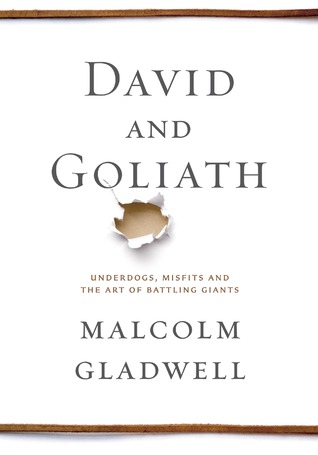
Next year, I am going to put this list first, and we will analyze author’s craft as we learn about argument. I’m also thinking of only introducing Gladwell’s books. I’ll add David and Goliath:  Underdogs, Misfits, and the Art of Battling Giants, and maybe What the Dog Saw: And Other Adventures after I read it this summer. That way students will still have choice as to which book they select, but all students will be reading books by the same author. This should work well as we study the moves of one writer, something I waited way to late to do this year.

Book Club One:

Outliers, the Story of Success by Malcolm Gladwell

Blink, the Power of Thinking Without Thinking by Malcolm Gladwell

The Tipping Point, How Little Things Can Make a Big Difference by Malcolm Gladwell

Freakonomics by Steven D Levitt and Stephen J Dubner

Quiet:  the Power of Introverts by Susan Cain


Book Club Two:

Extremely Loud and Incredibly Close by Jonathan Safron Foer

The Glass Castle, Jeanette Walls (non-fiction)

Swamplandia by Karen Russell

The Curious Incident of the Dog in the Night Time by Mark Haddon

Girlchild by Tupelo Hassman


Book Club Three:

The Namesake by Jhumpa Lahiri

Little Bee by Chris Cleeve

Sarah’s Key by Tatiana de Rosnay

The Kite Runner by Khaled Hosseini

A Thousand Splendid Suns by Klaled Hosseini


Book Club Four:

The Yellow Birds by Kevin Powers

Room by Emma Donoghue

Where Men Win Glory by Jon Krakauer (non-fiction)

The Bell Jar by Sylvia Plath

The Things They Carried by Tim O’Brien

Billy Lynn’s Long Half-time Walk by Ben Fountain

I am always reading some piece of compelling literature, always on the look out for the next book to add to these book club lists. My students did not enjoy The Bell Jar, although many students chose to read it, and no one chose to read The Things They Carried, even though I made as big a deal out of it as all the other titles. I just added Swamplandia this year, and then I forgot to talk about it, so it is still not vetted with students.

If you have any suggestions for compelling, complex, rich literature that engages adolescent readers, please share your titles in the comments. Thank you.


©Amy Rasmussen, 2011 – 2015
5 Ways to Enjoy the Last Month of School

Today we start a fun two weeks. Texas state exams and AP exams dual for the attention and time of most every student and teacher in the building.

Two weeks of juggling tests with students in and out of classrooms. Teachers putting on hats as proctors and hall monitors, shuffling to teach in different rooms so students can test in theirs. Stress can make cranky even the calmest souls.

Two weeks until the end of school after that. June 6 is our last day. Some days that sounds like the equivalent of enduring 12 long winters.

smart-goals1I must make the choice daily to be optimistic, to see the possible in all the end-of-year chaos.

5 Ways to Enjoy the Last Month of School:

1. Talk about Books. I will double the amount of time my students and I talk about books and reading. Summer slide is real, even for students in high school and AP English classes. I wrote some thoughts about summer reading here. I want my students to enjoy the reading they do this summer. Most have read double, some even triple, the number of books they read last year. I cringe thinking that many may not read even one book this summer. (The AP English Literature required summer reading holds little promise with Brave New World and Beowulf.) If we talk about books enough, and if my students write down titles that sound interesting enough, and if maybe I allow them to take enough books from my classroom library home for the summer — maybe even my most reluctant readers will read at least one book before they come back to school in August.

2. Sit and Listen. Last week a student tapped on my door during my conference period. “Mrs. Rasmussen, are you busy?” I was but I waved her inside. I shut my laptop and turned my chair, and Mikaila began to talk. She told me that she’d been in her business class when an idea for her writing project “burst in my brain, and I started writing it down, and the more I wrote the more I imagined and the more I began to cry, and then the teacher looked over my shoulder and got worried about what I was writing. I told her, ‘I’m okay, I just need to go see my English teacher.'” Grinning, she finally took a breath. Mikaila stood and talked with me for the rest of the period. She’s got a lot of hurt in her, and she needed someone to hear it. That is all I did. I listened. I still had essays to read and leave feedback on, but that afternoon with this sweet young woman was the best I have had in weeks. I felt needed. During the next few weeks I will try to be still, open my door, and listen. I doubt Mikaila is the only one who needs to talk.

3. Allow Students to Self-Assess. When my students care about their topics, their writing is always better, but after 11 years of school, so many of my writers care more about the grade they’ll get than about the quality of their writing. I’ve tried to change that all year. For the next few weeks, my students will read and revise their own work again and again. They will read one another’s writing and offer feedback, and then they will revise again. We have done two rounds of this already, and with the exception of just a few kids who put forth little effort and scored their work high, most everyone wrote an honest assessment of their writing process. They are thinking about the thinking they do as they write on the page. That’s the best kind of assessment possible.

4. Begin Planning for Next Year. Not full-on planning, mind you. That would make me crazy, but I have started a list of things I will change. I know I need to do a better job with organizing writer’s notebooks and teaching vocabulary. I know I want to read more poetry, although I added a lot in my primarily non-fiction AP English Language class this year. I know I need to do the lessons we did just last week early in the fall. I’ll add tabs in a writer’s notebook that I can use as a sample with my new students in the fall, and I’ll tinker in Drive as I make notes in my lesson plans. Planning gives me energy, so it makes sense to note changes I want to make now instead of hoping I remember them later.

5. Confer and confer and confer. Like you and your students, the relationships my students and I have built all year are strong and trustworthy. I want to utilize this trust and push my students further in their reading and writing than I would have been able to do earlier. The only way to do this is to talk with them more one-on-one. Every day as students read their self-selected books and write their self-selected projects, I will pull up a chair and we will talk. “What are you thinking?” I’ll ask, and they will open up and tell me. They know I will listen and offer feedback that they can take, or not. That’s the beauty of teaching students to take ownership of their learning.

©Amy Rasmussen, 2011 – 2015

Hey, Do You Want to Hear a Good Poem? #poeminyourpocket

What makes a good poem?

I like to ask my students this question. They usually fumble with an answer.

That is what makes reading poetry with students rewarding. Eventually, even the hardest teenage heart will come to at least appreciate the complexity of language — maybe she’ll never appreciate the beauty of it, but she will appreciate the craft of the poet.

Sharing good poems with students on a regular basis proved a hard goal for me this year. (Better than last; not as well as I wanted.)

One go-to book is Garrison Keillor’s collection of Good Poems, as Heard on the Writer’s Almanac. It is a must for every English classroom. My wish list includes two other volumes:  Good Poems for Hard Times and Good Poems: American Places. 

I especially like how Keillor sets the tone of the selection with poetic lines in the introduction that describe what makes a good poem:

Stickiness, memorability, is one sign of a good poem. You hear it and a day later some of it is still there in the brainpan.

What makes a poem memorable is its narrative line. A story is easier to remember than a puzzle.

[Poems] surprise us with clear pictures of the familiar.

And this beautiful paragraph, an epigraph for Emily Dickinson, really:

To see poetry finding an existence that its maker never imagined, visit Emily Dickinson’s grave in Amherst. Here lies the white-gowned virgin goddess, in a cluster of Dickinsons, under a stone that says “Called Back,” and here, weekly, strangers come as grieving family, placing pebbles on her big stone, leaving notes to her folded into tiny squares, under small stones. Dickinson was a famous recluse who camped in the shadows in the upstairs hall and eavesdropped on visitors, and now there are few graves in America so venerated as hers. She is mourned continually because the quickness and vitality of her poems maker her contemporary, and when you make flies buzz and horses turn their heads and you declaim Wild Nights! Wild Nights! and give hope some feathers, you are going to have friends in this world for as long as English is read.

I just love that, and Dickinson isn’t even my favorite.

I am finding favorites though. So far, my favorites are the poets I know in person: Dawn Potter, and  Meg Kearney.

My students need the chance to find favorites, and that is why I must expose them to good poems. Reading aloud poems on a regular basis has the same effect as talking about books regularly.

Today is Poem in Your Pocket Day.  Will you participate?

Because I know I need to be more consistent with poetry, and even though we are in the middle of a giant writing project, my students and I paused this week and talked poetry. We read and questioned and laughed and loved being immersed in beautiful language.

We pulled the poetry books off the shelves, (I only have about 15, so far, so we had to share) and we wrote out poems on pretty paper to put in our pockets. I challenged students to share their poems throughout the day.

Some balked.

Some said sure

but meant no way.

Others will follow my lead:

“Hey, do you want to hear a good poem?”

©Amy Rasmussen, 2011 – 2015