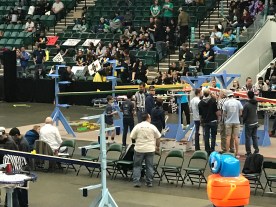
I could tell something was wrong. I stood up from my seat like somehow that fruitless movement would clarify the mystery. I could see my son, across the arena, furiously working the controller, yelling something to his team mates, feeling the frustration rise in him.
Three months, hundreds of hours, dozens of late nights, early Saturday morning stops at Shipley’s and his one chance to truly measure himself against the best robot drivers in the state, overwhelmingly high school students, the non-human factor reared its ugly head.
Later, as he told my wife and me the story and filled us in on the narrative, I realized how important this whole process had been. In the moment, when all that effort and energy drifted away, Colton (11 years old) reached back to the lessons he’d learned about keeping his cool from his robotics mentors, the thirty-two other students in that program, and the experiences along the way.
The interesting part for me was that, instead of being disappointing or feeling like he let his team down, he glowed with the confidence that he did all he could do to make the best of that situation and scored several hundred points with a broken robot. This is the type of lesson I hope he learns from experiences like this one.
He knew, no matter the circumstance, that his peers and coaches would be there for him and that knowledge empowered his confidence, filled his spirit, and kept him grounded in the moment, grinding for the team.
 This is the type of lesson we can teach when we bring whole class novels into our classrooms. The “shared experience” of reading a text is a phrase that I’ve heard from and seen written by the smartest people I know. It’s the same lesson that my son and his peers experienced with their robotics team this year.
Our students will need these lessons and, certainly, we can teach them through targeted mentor texts and the skills we ask them to explore. At some point, though, a somewhat more difficult, shared, experience might be effective.
This is a lesson you can’t possibly learn in a “worksheet” class; one filled with blanks, multiple choices, and compliance.
That’s the idea that I started our whole class novel unit with last week. The team I have the pleasure of learning from this year knows it all too well. They know to start with the end in mind. They showed me the importance of planning for “the struggle.”
I used to know how to “teach a novel” and every time I tried in the past, I failed. This failure, as I’ve learned, was due to me teaching the “novel” and not teaching kids. This team of teachers is showing me how to take those lessons students learn from being on teams, and move that into my classroom.
I’m still growing. And most importantly, so are my students.
It will be hard, on them, and on me. We will all need preparedness and grit, but the growth goal is paramount.
Teachers, I want you to know how important your work is. You hold the future in your hands. Please listen to the brilliant teachers around you. Let yourself be the student and then take those lessons back to your classroom.
Charles Moore is excited to continue his work with freshmen, although their excitement might be harder to quantify. He loves watching his son compete against his own inner expectations and he loves watching his daughter dance (compete) against her own inner expectations. He hopes to his students can learn to dance and judge themselves against their own expectations. He hopes those expectations are high, because his students are beautiful and brilliant.


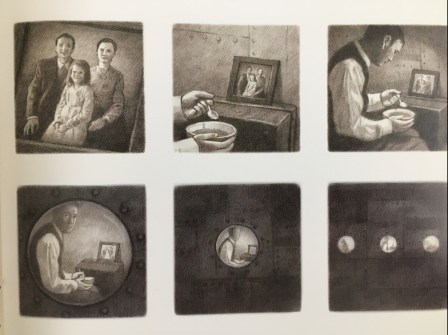




 This year, I recommended
  imperfect. Last year, a student was looking for “something edgy” and was willing to try transitioning into fiction from her obsessive poetry reading. So, I recommended a short story collection that a former student with similar interests had found on her own and loved, and which I subsequently added to our classroom library:
  (this from a reader who has little patience with the precious world of Jane Austen). What compels me to bring this text into our classroom, though, is the author’s response to a review in WSJ: the review suggested that the book would have limited appeal due to its “heavy use of slang,” ie, Afro-Haitian dialect. If I can do my job right, we might be able to examine excerpts of the text in conjunction with the WSJ review and the
 Earlier this week we observed


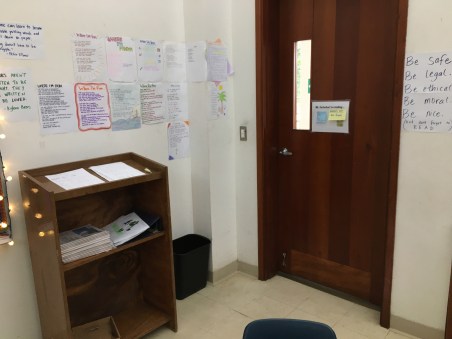
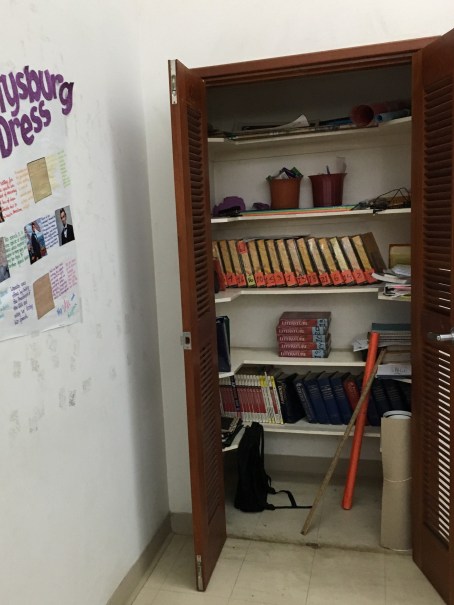
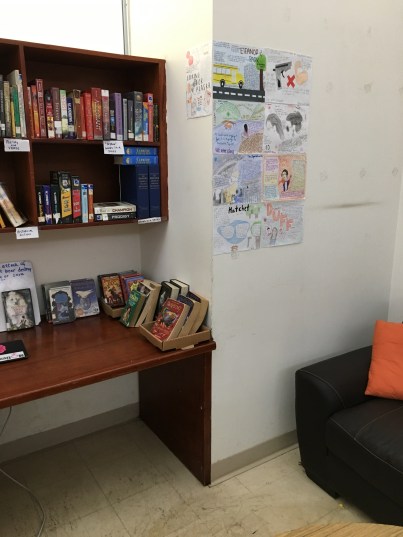

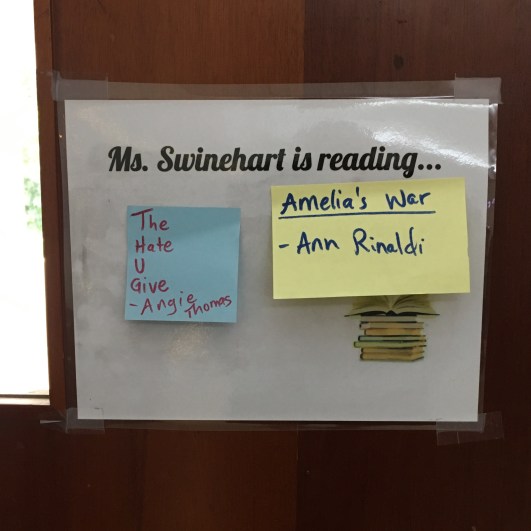
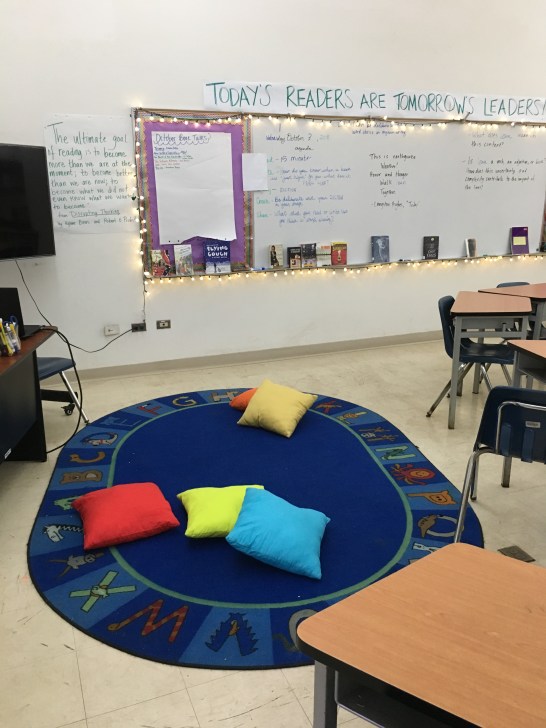
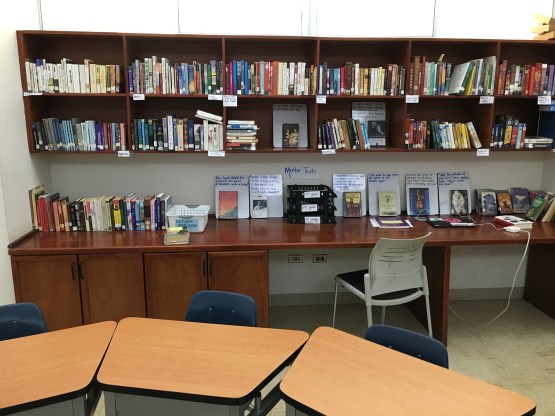
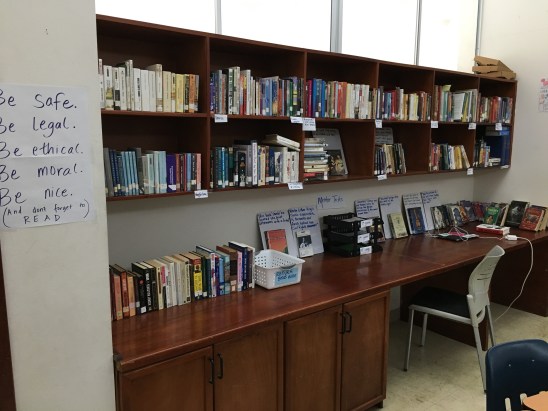
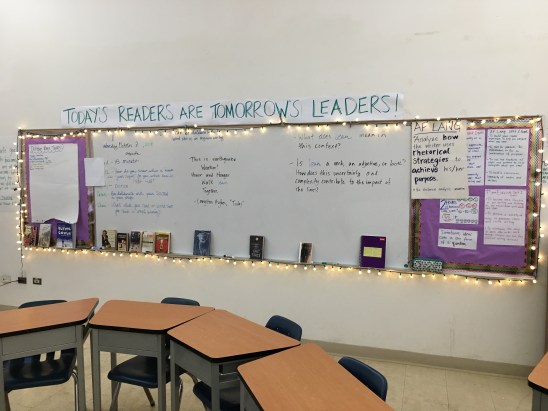


 The reading arc of a school year is a lovely thing to witness, but an even more enjoyable journey to participate in. We begin the year falling in love with reading: a first quarter of high-interest, riveting works that match each reader where he or she is. The first days of school are filled with YA, novels in verse, pithy nonfiction, and short-but-powerful texts.

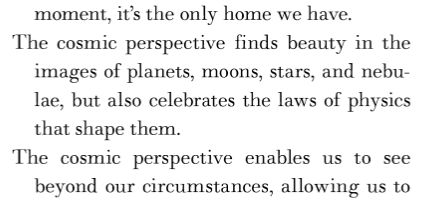

 As we plan instruction for the second quarter, we must center our students’ reading and writing experiences on the highest purposes of those endeavors, and not remain too focused on the skills, structures, and rubrics we often get caught up in. We must not fall into the trap of sharing a passage such as this one with students solely to practice craft study, asking our students to replicate Tyson’s structure without appreciating what he’s trying to say to us by crafting it.
 away books. We presented at the Coalition of Reading and English Supervisors of Texas (CREST) fall conference, and





 Three Teachers Talk