Sorry for the semiotic profanity, but the more research I read, the more conversations I have with students, the more reflecting I do about my practice, $%^@* is what comes to mind. The inherent contradictions between meaningful learning and the system in which it takes place become most apparent about a week before grades are due, which for many of us is right about now–the end of a quarter. And the accompanying frustration and anxiety seem especially pronounced in writing courses, where our emphasis is on process over product.
I teach Advanced Writing, one of several English courses for seniors. The whole of third quarter has been devoted to an author or genre study: students must read 3 full-length texts and a number of critical articles by and about their author/genre, and express their findings through a variety of genre, ie a multigenre paper. Students made their own schedules, although I assigned drafts throughout the process to be workshopped and revised prior to the due date, which is today.
Many students held firm to their own and my deadlines all along, becoming heavily invested in their work — and the work of their classmates. Claire, a self-professed “math & science person,” immersed herself in the work and the philosophy of Camus. RJ, a devoted journal-keeper, examined the work and the critical reception of confessional poetry. Grace, a reader of all things spooky, explored the connection between horror writers and themes of lost innocence and coming-of-age. (I could go on, but I want to save their work for another post). These students and many others made careful, purposeful decisions about how to express their discoveries in a variety of genre, even — gasp! — taking that bold writerly step of abandoning a draft that wasn’t working and trying something new. Workshop and multigenre at its finest, right?
Sort of. Last week, drafts started to trickle in from students who had arrived late to the process party. I gave feedback as effectively as I could and kept my teacherly admonishments about deadlines under control. By Saturday morning, I had returned at least one draft to every student who had submitted work, and so I carried on with my weekend. Sunday afternoon, my inbox was full again with drafts of genre pieces. I still don’t know why I was so surprised, given that the quarter-long project was due in less than 24 hours. As I skimmed the list of submitted drafts, I faltered between pride in the work that finally came in and frustration over how late it was.
 This course is about nothing if it’s not about writing as a process. For three quarters, our work has been based on no other principle more than this one. Students who handed in drafts so late clearly did not engage in the work at this fundamental level. Surely I couldn’t award them the same grade as those who had. Right?! Right. So I started drafting a not-so-nice email to those stragglers pointing out that they all have known the due date for quite some time and surely they must have had no intention to revise in the first place so why did they even bother handing in a draft and was it just to get a number in a gradebook but of course I will not award the same credit so you will receive that fat ZERO because you’re seniors and by gosh I’m going to use that fat zero to show you how the world works because it’s time you start …
OK, no, I didn’t go that far, but that’s where it felt I was headed, and it felt wrong. How could I disregard their work yet still claim to value the process? How could I do the talk (and walk) against grades as an artificial, arbitrary, inaccurate measure of ability and achievement and then use them as a punishment? The only lesson they are likely to learn is that yet another adult they wanted to trust is revealed as a hypocrite.
In the end, I made my best attempt at a compromise, the details of which I’m sure resemble what anyone reading this blog would have done. But in that initial moment of composing that email — and that it was my first instinct — reminded me how ingrained the system can be even in those of us who do all we can in our practice to skirt around its limitations. I’m sorry this post doesn’t provide any grand answers to this pervasive conflict between meaningful learning and hierarchical measurements of such, but gosh I feel so much better for having shared with an audience that can commiserate. I hope you do, too.


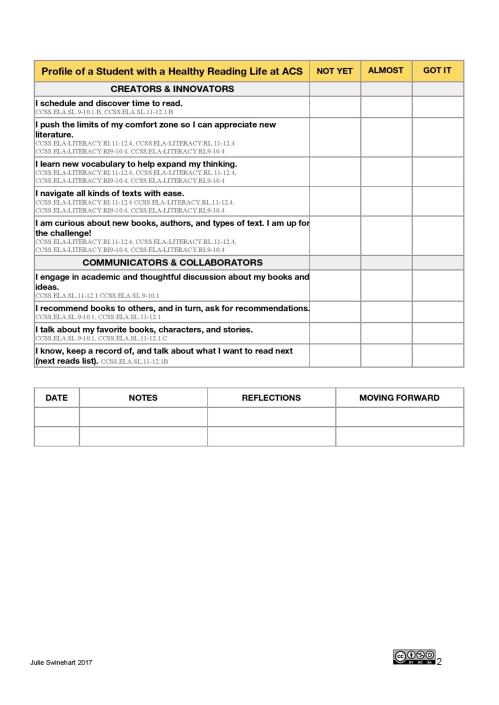
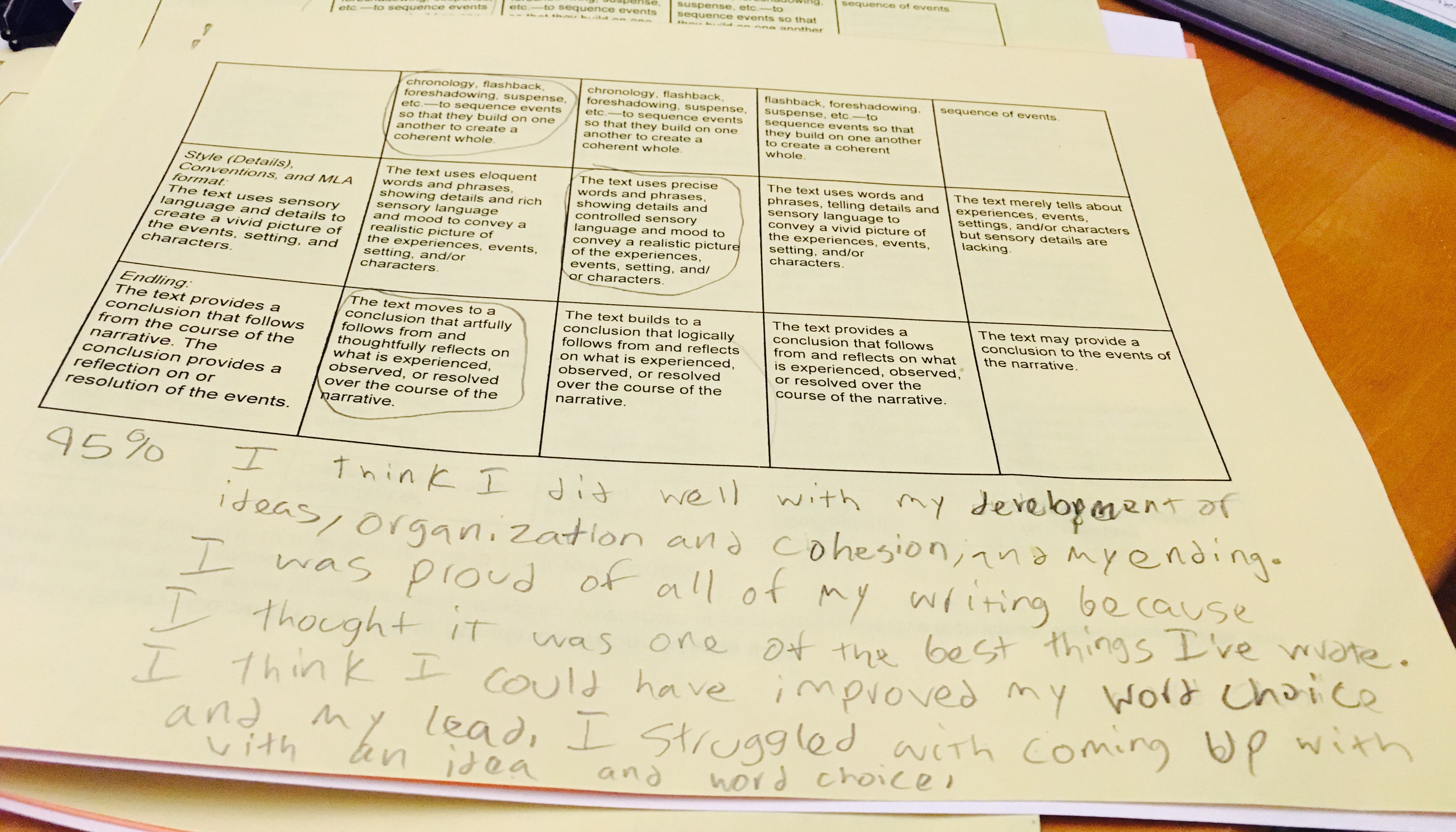
 My students cannot seem to get away from quantifying their thinking, this year and every year. To some extent, I understand this compulsion: despite living in a highly individualized culture, our education system prizes standardization when it comes to measuring student achievement. My kids have been indoctrinated into a culture of numerical evaluation for many years.

 Care to join the conversation? We’d love to add your voice! Please email guest post ideas to Lisadennibaum@gmail.com.




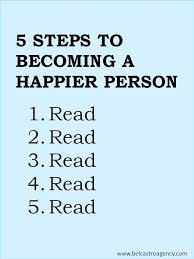 All week, I’ve been thinking about Pernille Ripp’s exasperated plea, “
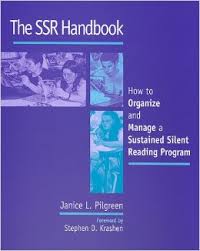 After I read Pernille’s post, while thinking about this idea (read: beating myself up for slaughtering kids’ love of reading), I pulled out one of the most memorable texts I read while in college–Janice Pilgreen’s The SSR Handbook. In the foreword, Stephen Krashen writes:
 Grading, grading, grading.
 Good, old-fashioned, print-it-out-and-bring-it-to-class-and-turn-it-in assignment submission.


 We teachers often talk too much.


 Three Teachers Talk