I have had so much fun reading student work this week.
There. I said it. I actually ENJOYED grading…for once!
Like Amy, I learned about the world, my students, and their funds of knowledge. Grading has been going well for me this week.
Well, I wasn’t really grading so much as giving students feedback on their final papers, which are due on Monday. We’ve been engaging in a virtual writing workshop, in which I start a dialogue with students about their writing via comments on their Google Docs, and they reply, revise, and we re-read.
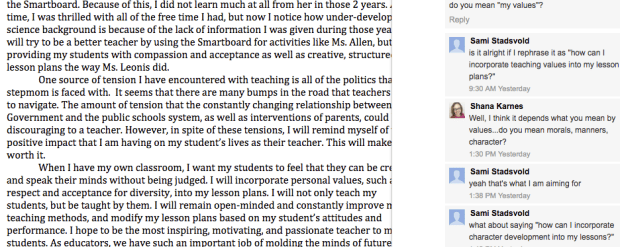
I taught a mini-lesson via email on what I noticed the whole class might need to know (shorter paragraphs, most recently, as well as the power of the single-sentence paragraph).
In class, I’ve taught mini-lessons on seamlessly weaving in references to outside texts, developing a writing voice, and crafting an “I believe” credo statement. We’ve read each other’s writing, as well as our course readings, not just for content but for craft.
Students had choice in their topic, genre, and process. They described their teaching philosophies, educational experiences, and literacy histories through cartoons, lists, stories, essays, pictures, and poems.
We worked for about six weeks this semester on this writing, all of which was ungraded. It will eventually constitute 10% of their course grade, and when I calculate that number, I’ll factor in student growth, effort, and style–not just the final product.
With great success, my students engaged in writers workshop–at the college level.
I knew that this was a new experience for them for several reasons. Many students emailed me to ask if they could send me extra drafts, or began their pleas with an apology for being a bother, or panicked when they first saw the sheer volume of my comments.
But when they realized my feedback was a balance of suggestions, praise, or exclamations of delight, they relaxed.
When they realized that I would read as many drafts of their writing as they wanted, and that we had built-in class time for peer review, they relaxed.
When they realized that questions were welcome, and not an indication of ignorance or a lack of preparedness, they relaxed.
They relaxed into becoming teacher-writers, which is something we all believe every teacher should make a part of her practice.
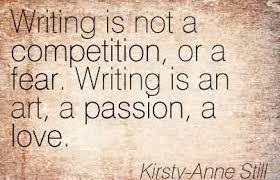 Writing–at every level, from kindergarten to college and beyond–should be therapeutic, pleasurable, engaging, challenging, and every bit of the art form that it is.
Writing should not be painful, terrifying, or crippling. It should serve as a way for our students to continue their learning, rather than as an end measure of what they know.
By keeping these values at the heart of my teaching, I’ve felt like I was back in my high school English classroom for the past few weeks. There was fun, noise, creativity, debate, and even dance parties and craft supplies when we assembled portfolios, in my college classroom. In addition to being enjoyable for everyone, this workshop mentality helped produce some outstanding writing that I’ll be so proud for my students to showcase in their final admission portfolios.
Shana Karnes lives in West Virginia and teaches sophomore, junior, and senior preservice teachers at West Virginia University. She finds joy in all things learning, love, and literature as she teaches, mothers, and sings her way through life. Follow Shana on Twitter at @litreader.


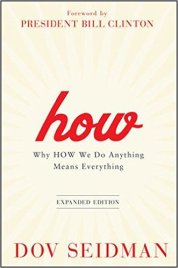 I did a lot of reading about the importance of how we do things. Penny Kittle mentioned Dov Seidman’s How at NCTE, and I jotted the title down, thinking it was one my husband would enjoy. I bought it for him, but ended up devouring it myself. Thomas Friedmann
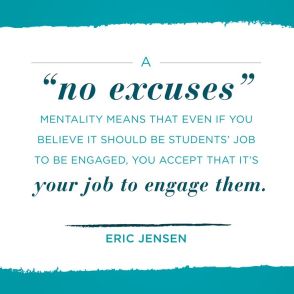 There are a number of things Hudgens seems to conflate. The first is that “this is hard” and “this is boring” are the same thing–and they’re clearly not. When students are disengaged, either something is too hard, or too boring–not both. When they’re not in the zone of proximal development, students are not in a place for learning.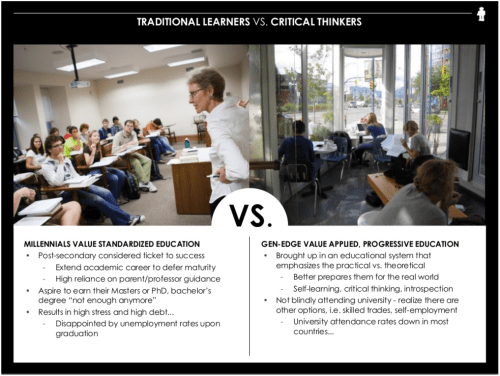


 All week, I’ve been thinking about Pernille Ripp’s exasperated plea, “
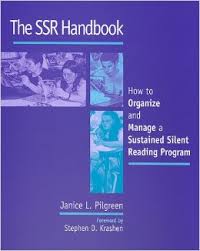 After I read Pernille’s post, while thinking about this idea (read: beating myself up for slaughtering kids’ love of reading), I pulled out one of the most memorable texts I read while in college–Janice Pilgreen’s The SSR Handbook. In the foreword, Stephen Krashen writes:

 Grading, grading, grading.
 Good, old-fashioned, print-it-out-and-bring-it-to-class-and-turn-it-in assignment submission.


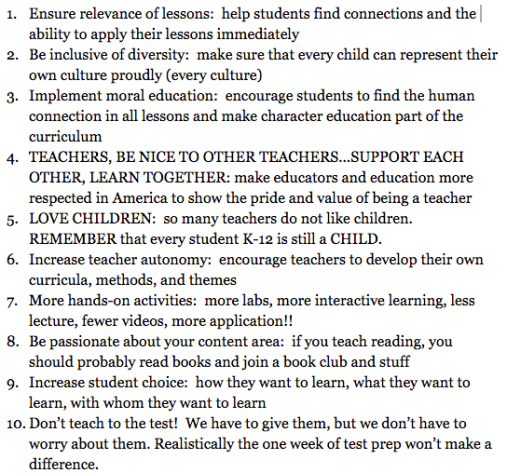
 As I re-read it this morning, I’m thinking about the patterns I see in these actionable changes. The overarching one: kindness.
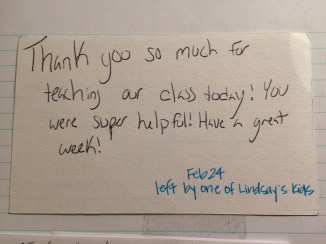 Be kind to other teachers.
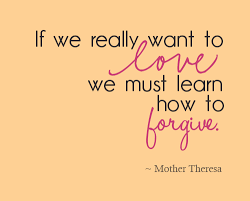 Forgive.
 There are many things that are frustrating about teaching in general, and teaching SENIORS. They are almost adults who think they are already adults, and say they want to be treated as such, but show that they want to be treated like a child for just a little while longer.
 This year, as I made the venture to RWW, I knew I would need to read lots of buzz-worthy books, simply for the purpose of recommending. Needless to say, I have slowly been broken down from my rigid ways. It’s because of this anti-bandwagon mentality that I am so late to the Anthony Doerr party, particularly in respect to
 Whether or not our instructional practices show our care for our students is a good acid test for teaching reading and writing. Does assigning a book and then creating fifteen “gotcha” pop quizzes make students feel competent and confident as readers? No. Not a good practice. Nor are so many of the worksheets, textbook curricula, or 1990s-designed unit plans I’ve seen employed by some teachers.

 Three Teachers Talk