Blogging, writing, talking, being part of the conversation about what it means to be an educator in 2017, it’s all easier to do than to actually live it and breathe it and teach it. We can talk about theory, we can read our guiding texts, we can attend professional development conferences around the world, participate in twitter chats, and we can all talk the talk.
Walking the talk is the hardest part.
Theory doesn’t always meet practice. But we try. I try.
I recently wrote about the idea of rubrics – that they should serve more as a foundation than a weight or a wall pinning students in. That they should allow for creativity rather than limiting imagination.
One way that I have tried to allow for student voice and creativity is with the most important thing I can help my students learn.
The topic is the habits of a healthy reading life.
If my students learn to read literary nonfiction, classic novels, and short stories, it will be fantastic. But it’s fantastic only if they actually choose to read these texts on their own. Most importantly, they need to have a habit of reading, to discover the reader within themselves.
This winter I realized that I wasn’t sure that my students knew what the endgame was. So we talked about it. We talked about what it looks like to have a healthy reading life, and we brainstormed the attributes of a healthy reading life.
I did my best to organize their ideas into categories and indicators that made sense. I used our school’s student profile to help with the organization. The six categories are Respect and Integrity, Global Awareness, Reflective Thinking, Critical Thinking, Creators and Innovators, and Communicators and Collaborators.
From that, I created a rubric.
I think the process for this rubric can be re-created with other standards and goals, and can be simplified to a simple yes/no checklist, or a one point rubric for student self-reflection.

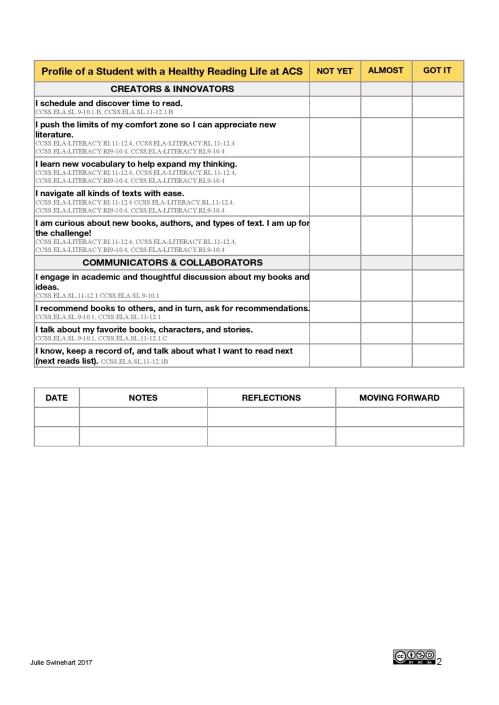
I know, I know… There are still problems with the document. But I think the point is that the ideas in it originally were theirs. The ideas belonged to the grade nine students.
While it’s an intimidating double-sided checklist in its entirety, it is easy to split into the six sections, which means we can examine just one section of a student’s reading life at a time. At that point it becomes smaller and quite manageable, and it’s not a brick wall of text.
I can print just one section at a time, and use it as an exit ticket or as a prompt for a reflective quick write. It doesn’t weigh students down when they simply examine only two or three indicators about their habits of reading.
The document still needs to be refined, and maybe all of the Common Core standards I’ve attached to the indicators aren’t exactly right; it’s still a draft, a work in progress. But this rubric, one that could be revised to a simple yes/no checklist, has been the catalyst for some seriously authentic and relevant conferences with my students.
Because I used their criteria and ideas, it’s not a brick wall, and it doesn’t confine my students between narrow rails. Instead, it’s a conversation starter, a tool for goal-setting while conferring, and it’s something that shows my students what to strive for.
It shows them what this readers workshop is all about: healthy reading lives.
I think the takeaway here is that teaching is always a work in progress, as is learning. Setting goals is important for students and for teachers. Creating authentic scoring guides continues to be one of my goals. This year I created one about the topic that I think is the most important of all – the healthy habits of reading. Next year we will tackle the habits of being a writer.
I will keep talking the talk – that means I am learning and reflecting on my practice. I will also keep trying to walk the talk, which I think has to include student input, because student voice is so essential to readers workshop, and is of course essential to building the habits of healthy reading lives of students.
We can’t weigh them down with our “help” – our rubrics and scoring guides should serve as foundations for growth, which is what I think this one does.
Nothing’s perfect, and we teachers have to be okay with that. We will continue to read, learn, discuss, and to walk the talk. Walking it and living it is a work in progress, and our students are better because we keep trying.
Julie has been teaching secondary language arts for eighteen years, spending the first fifteen in rural Central Oregon, and the last three in Amman, Jordan. A recent convert to the workshop model, she likes to blog about and share her learning and experience with others.
Follow her on twitter @SwinehartJulie
Follow her blog https://adventuresinhighschoolworkshop.wordpress.com/
 Care to join the conversation? We’d love to add your voice! Please email guest post ideas to Lisadennibaum@gmail.com.



 audience.

 Finally, I would like to thank Isaiah, Victoria, Andrew, and Margaret for helping me make this poem the best version possible. I would also like to give a big shout out to Holly for answering all of my annoying, pestering questions and letting me represent her through this poem. — Hannah
  Care to join the conversation? We’d love to add your voice! Please email guest post ideas to Lisadennibaum@gmail.com.

 With that in mind, my colleagues and I have worked hard over the years to provide more authentic assessment opportunities for students to demonstrate their growth during final exams.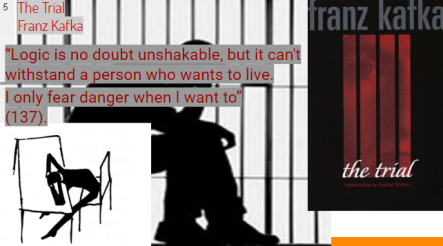




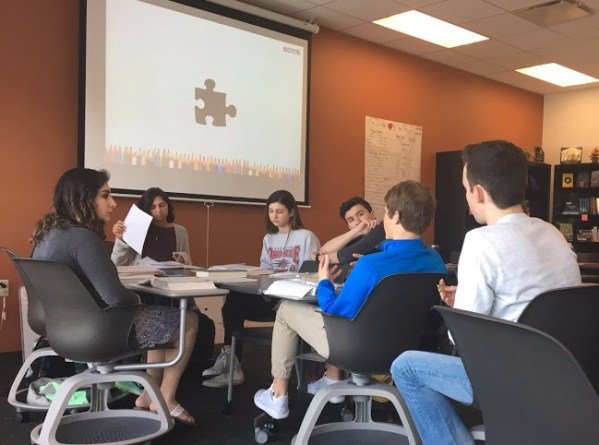
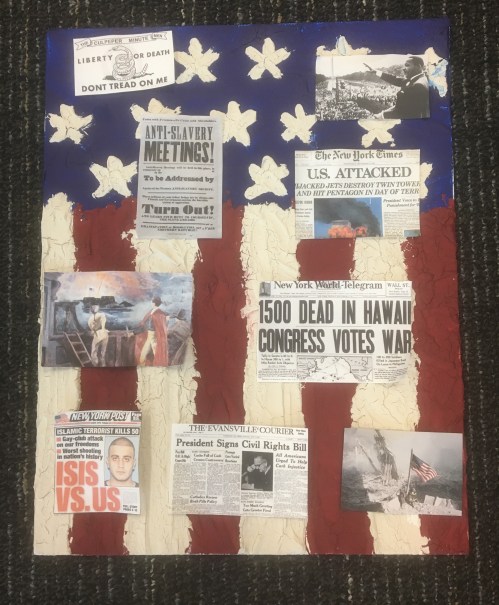
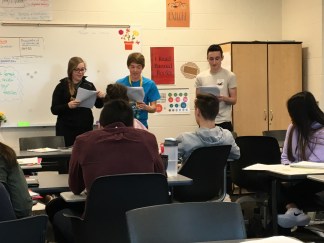
 of the class period, we used our essential question (What is the individual’s responsibility to the community?) to guide a discussion. I used PowerPoint slides to project a symbol and that group went to the front of the room to start talking. Other groups made notes on where they would take the conversation when they were called into the discussion.
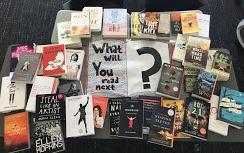






 . I smiled for nine miles (it takes awhile to download when you’re actively running down the street). Poehler’s voice is sincere, relatable, and funny as all get out. Easy to book talk.





 Three Teachers Talk