
This is the third week away from my students and classroom, and it feels like three months. I miss my kids. I miss our daily conversations. I miss seeing that little spark in their eyes when that light bulb goes on. I miss just…well…everything. “Teaching” from home, though better than nothing, just isn’t the same.
Back on March 16th, I didn’t know where to begin. Sure, I had begun planning for this in my head, but my ideas were a jumbled mess. The two things I knew my kids needed? Daily reading and writing. I’ve read countless studies–like this one–that prove the volume students read and write has everything to do with their gains. Like with any sport, they need that daily practice to improve. We let our children choose the sports they want to play so they will practice more. The same should go for reading and writing.
As I continued my planning and searching, I found help in two very likely sources: Penny Kittle and Kelly Gallagher. They put on paper what I had been trying to organize in my head. They also started daily “digital conversations” with one another that they shared via Twitter. (Click here to view the padlet that Penny put together.)

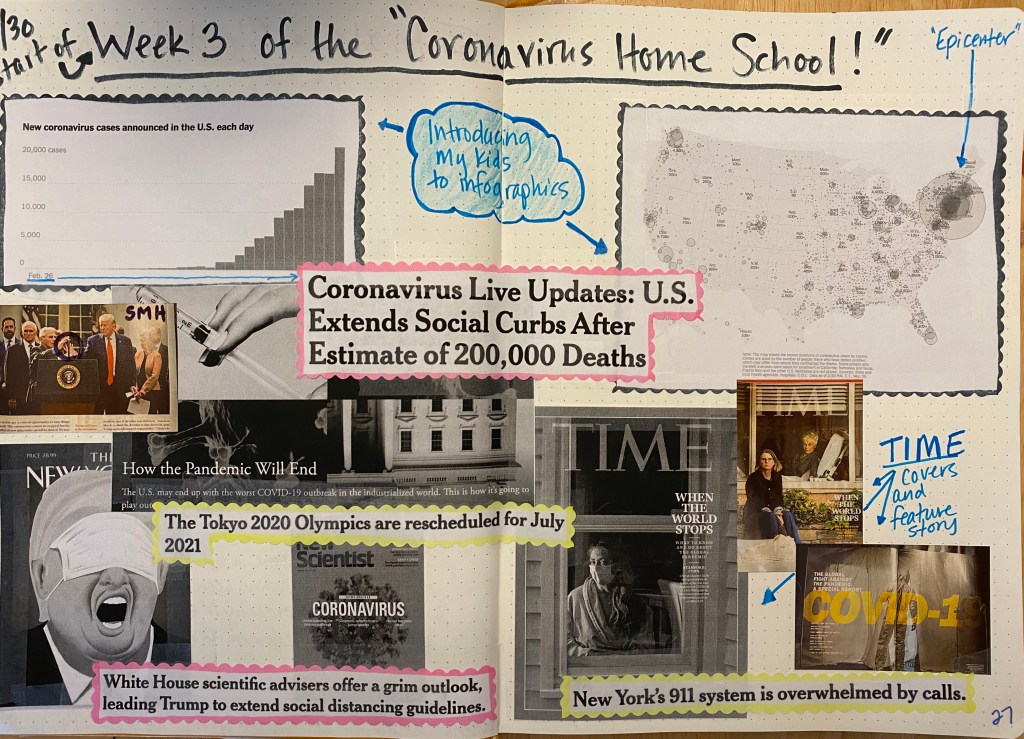
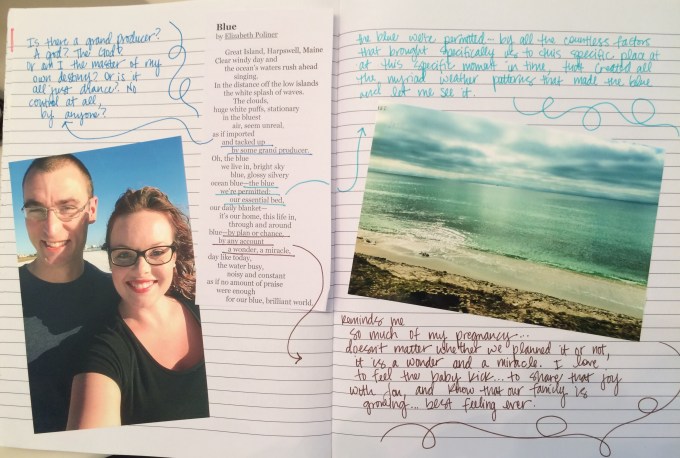
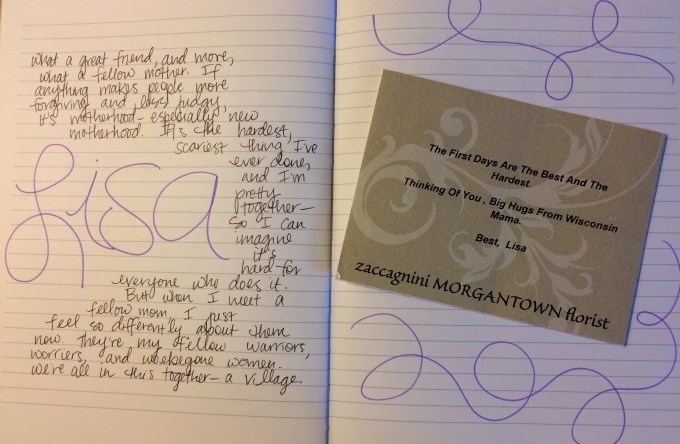
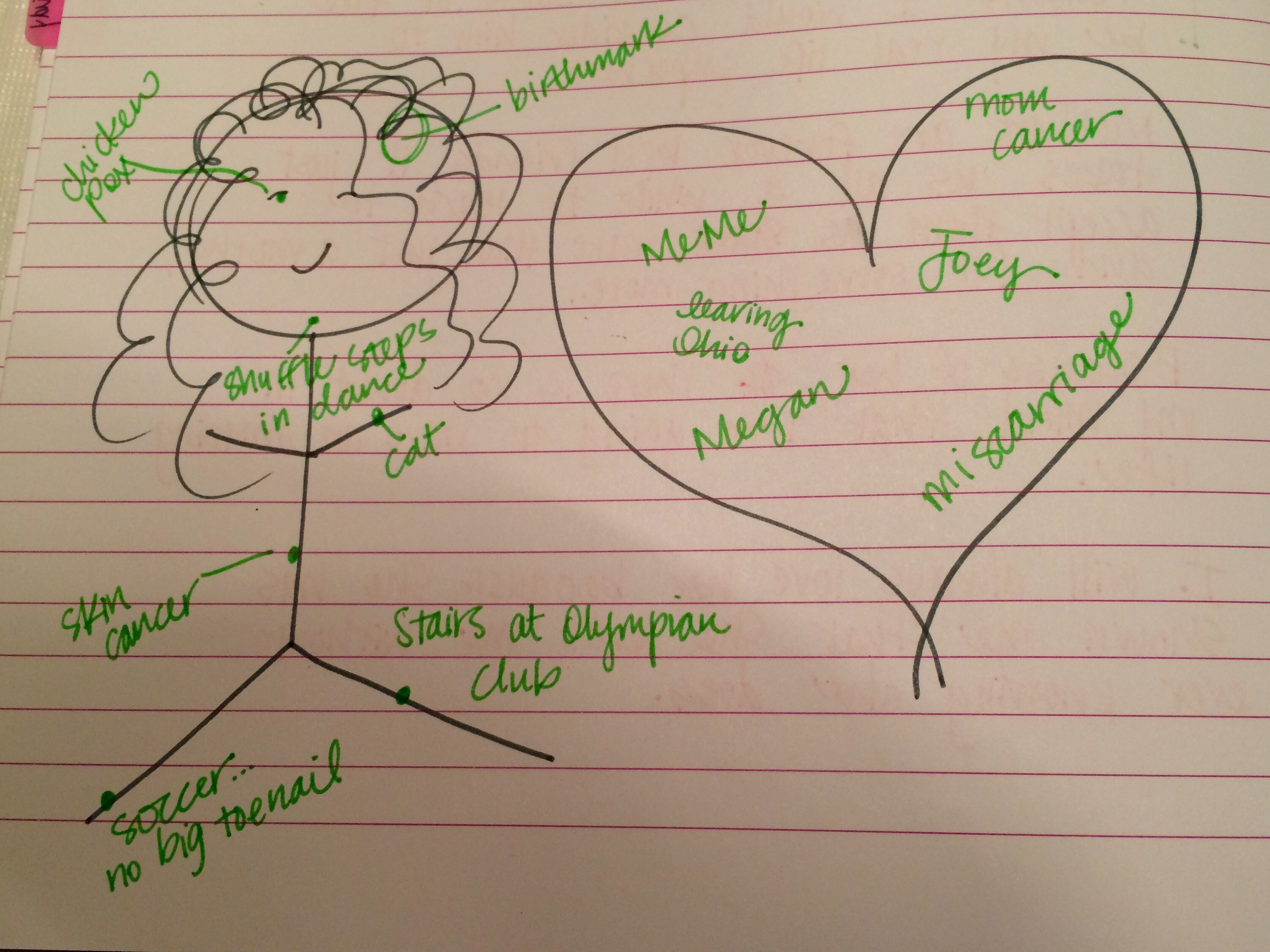
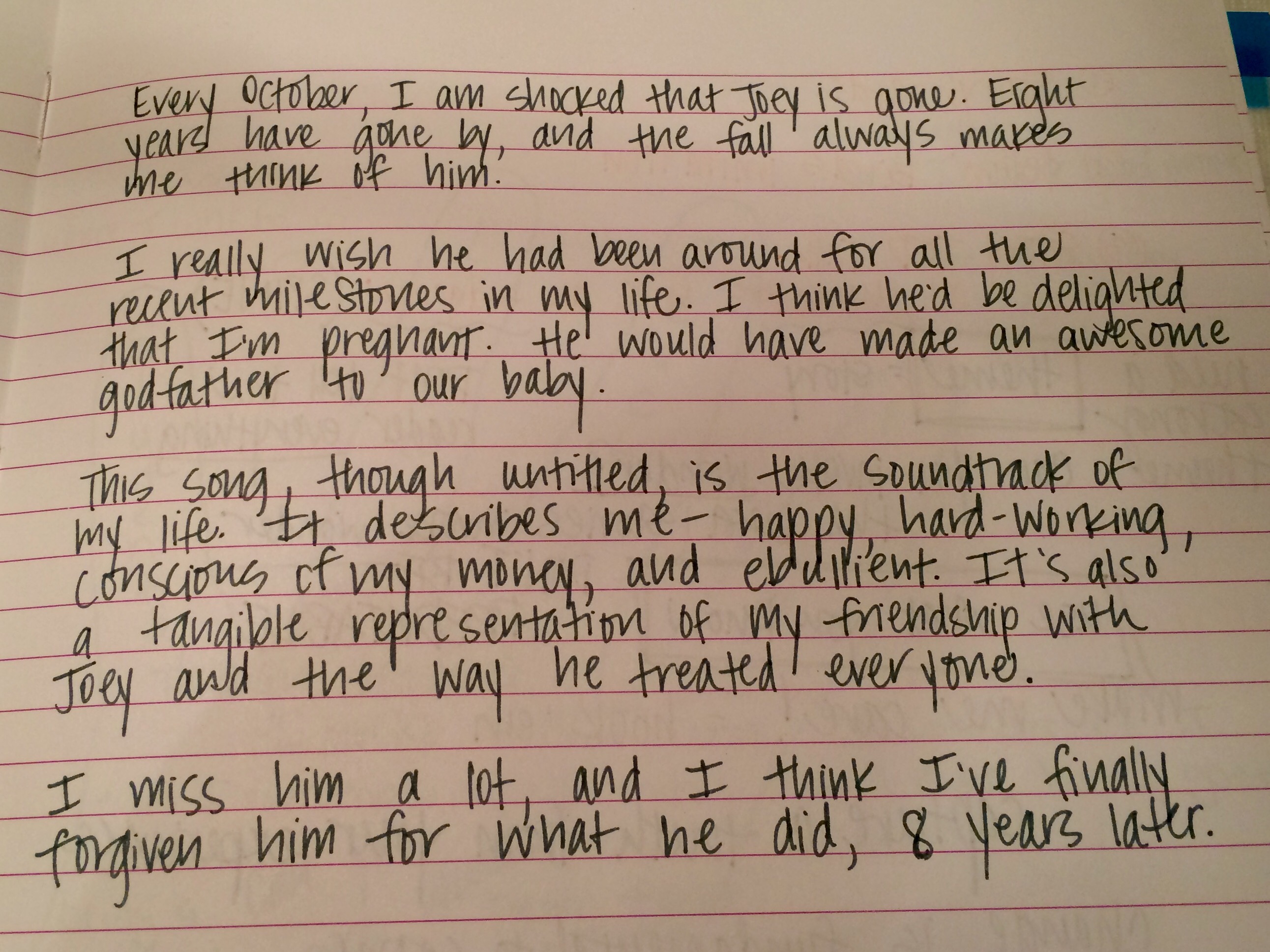
Once I had my idea, I pushed it out to my students, along with the beginning of my own notebook work. I was hesitant to do this at first, but, yes, I’m putting my own notebook on display. Though I have shared many entries with them in the past, I have never given them complete access to my notebook. This is a different time though. My students need me to be brave, courageous, bold. They need to see my struggles and mistakes, as well as all that I am proud of. More than anything else, I want them to feel like I am still there with them, for I am, but in a much different way.
So, after giving my students time to peruse through the guidelines, I posted photos of all my daily notebook entries, along with my “Reading Record” (pictured above) that shows them what, and for how long, I was reading. My students had a lot of questions. (I was ready for that.) They asked how I got my ideas. (I was ready for that too.) We even had a virtual chat so we could catch up, and I had a “think aloud” about what I do when I have writer’s block. (We all get stuck sometimes.)
Are there still kinks we need to work out? Sure. Are there students who I am still trying to connect with? Yes. There are so many road blocks in this very new process, but over time those blocks will begin to flatten. All we can do is keep trying.


Sarah Krajewski teaches 9th and 12th grade English and Journalism near Buffalo, New York. She is currently in her 18th year of teaching, and is always looking for new, creative ways to help her students enjoy learning, reading, and writing. You can follow Sarah on Twitter @shkrajewski and her blog can be viewed at http://skrajewski.wordpress.com/.



 I’ve been reading Peter Johnston’s excellent Opening Minds with my preservice teachers, and it’s a must-read. One of the skills Johnston says the most open-minded students possess is that of social imagination, or being able to understand “what others are feeling, to read people’s faces and expressions, to imagine different perspectives, to make sense of abstract ideas, and to reason through this.” In other words–empathy on all levels. It strikes me that this is both a reading skill and a life skill.
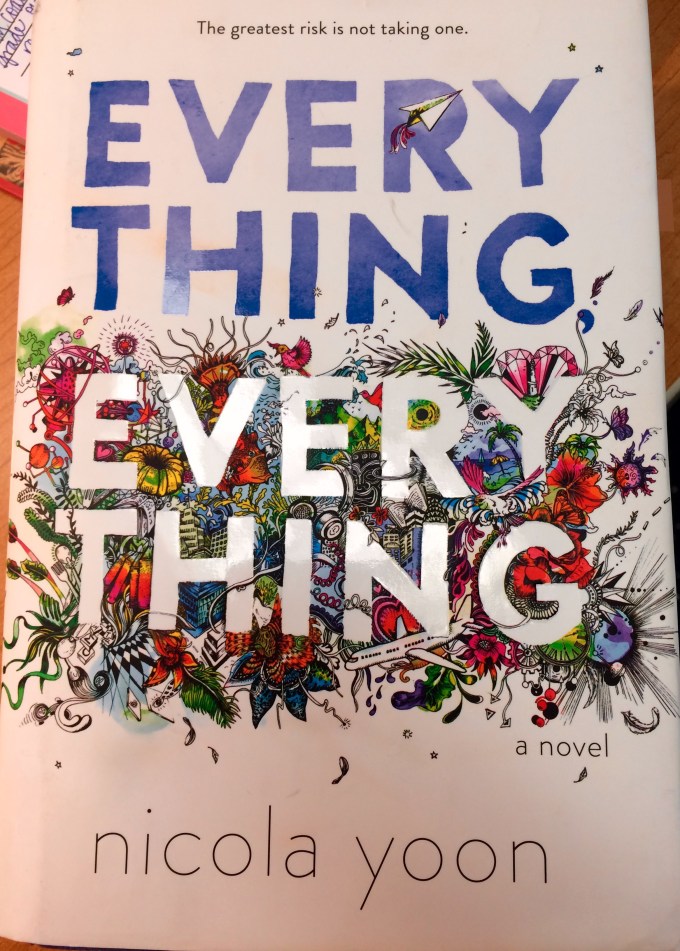
 The next day in class, we’ll refer back to the article before beginning independent reading time. “As you read today, pay attention to the characters in your book–are their lives more happy, or more meaningful?”




 What are you reading now, and/or what are your latest finds that could be strong mentor texts?
  Shana
Shana My students asked for more craft study and grammar instruction in their midterm


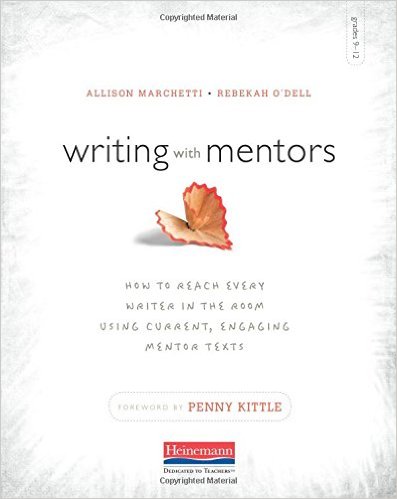
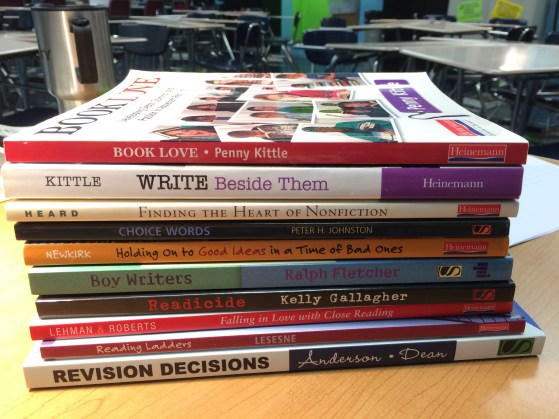 I met with my new student teacher a few weeks ago, and he asked me to borrow any books that might help him get going on the readers-writers workshop–the “theory” version of

 Three Teachers Talk