Tag Archives: books

Top Books for Reluctant High School Readers

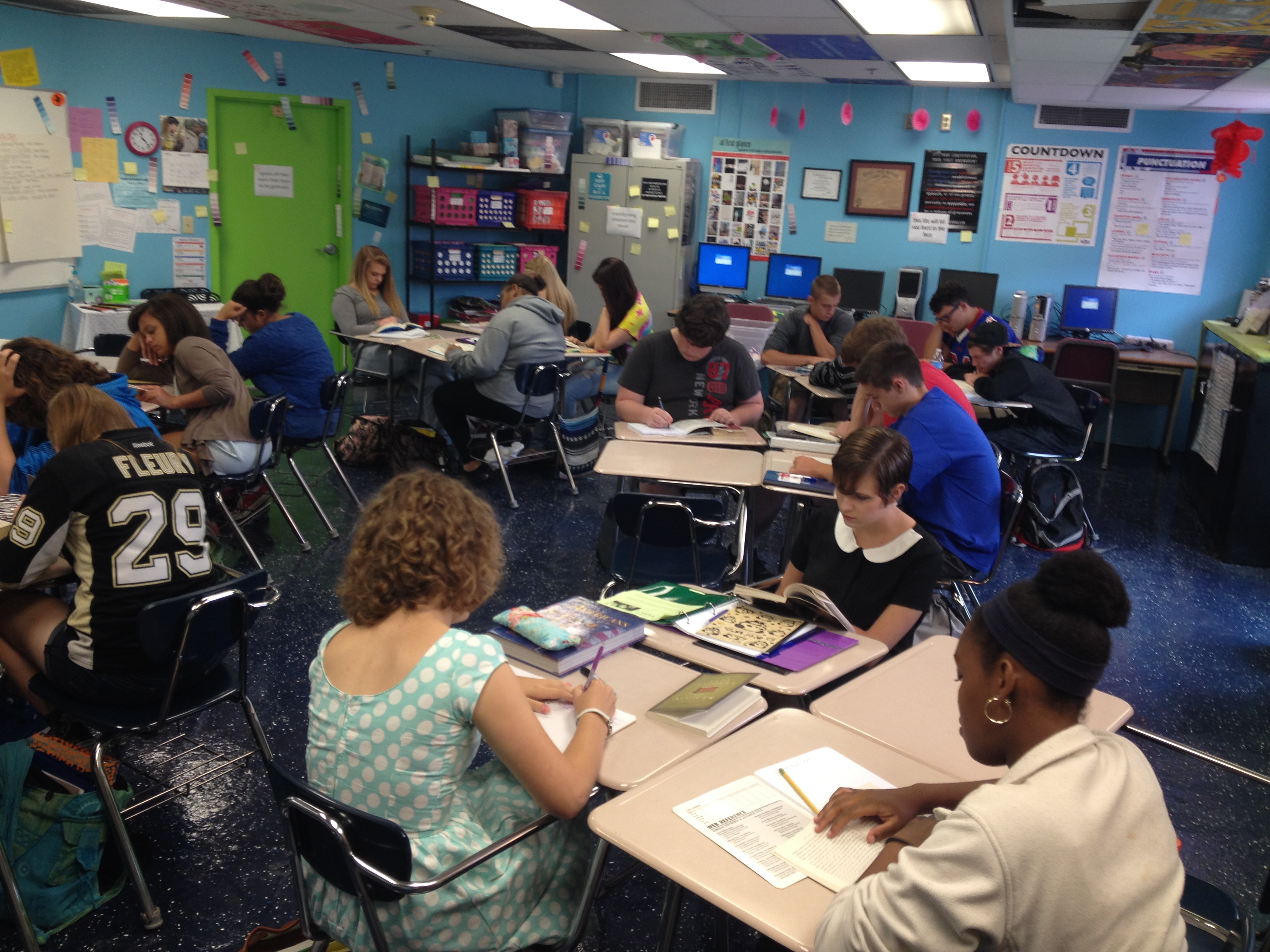
IMG_2877“I’m not a reader.” I hear this multiple times during my first weeks of conferencing. The non-readers are easily identifiable; their body language alone speaks volumes of their disdain for books.

“You just haven’t found the right book,” I tell them, and they smirk, knowing they’ve heard that statement before.

The first week of school is a vital week of matching students with books, and while I itch to recommend titles, I hold back, giving my freshmen the independence and freedom they so desperately crave in high school. Too often students blindly accept recommendations without so much as a thought to the contents. They lack self-awareness when it comes to their reading interests or style, which is why those first two weeks are essential to not only organizing but also empowering them through choice.

Throughout the week, I book talk popular titles, engage in “speed dating” with books, and provide ample free time for students to explore our classroom library, but I also get out of their way. Instead of telling them what to read, I model ways to find a strong candidate, considering reviews, awards, contents, genres, and summaries.

While the majority of the class tends to quickly settle into their books, there are always stragglers who remain convinced they’ll never enjoy reading. These students sometimes grab the first book they see off the shelf, and oftentimes these books are too dense, difficult, or in some cases “boring.” That is okay! I settle into conferences with these students, getting to know their hobbies and eventually handing them two or three books that might pique their interest. In the end, they still choose what to read, but in the process they might require some initial guidance.

IMG_2870Regardless of who picks the book, the end result remains the same—to find a plot that envelops and consumes students, forcing them into the story. Here are some of my number one titles that tend to break down the shell of even the most reluctant readers.

Ready Player One by Ernest Cline

I’ve already had three students read this book, one of which is Leah, a gamer and self-identified non-reader. When I asked if she has ever had a favorite book, she thought for a second then said, “I think this one might be the only book I’ve ever really liked.”

The Compound by S.A. Bodeen

Adrian initially picked a sequel to a book he read last year. “You must have liked the first one then?” I asked.

“Not really,” he replied. “I just didn’t know what else to read.” The next day he picked up The Compound, which is full of the fast-paced suspense he craves.

Paper Towns and Looking for Alaskaand basically everything by John Green.

I chased Emily up the stairs for this recommendation. When I asked her which one sparked her interest in reading, she said she couldn’t remember which had sucked her in. She just knew that despite her protestations at the beginning of the year, by the end she “loved them both.”

The Eleventh Plague by Jeff Hirsch

Damion had only ever loved one book and he was bound and determined not to like any in my classroom; that is until he came across this futuristic, survival story. Upon sitting down beside him for a mini-conference last year, he looked away from his book briefly to say, “Ms. Catcher, I’m at a really good part and I can’t talk right now.”

Gone Girl by Gillian Flynn

“I’ve had people give me ‘dark’ books before, but they aren’t dark at all,” Sarah tells me. I hand her three options, one of which is Gone Girl. Three days later she tells me, “I’ve spent my whole life hating books, and you’re the first teacher who ever found one I actually liked.”

Unwind by Neal Shusterman

I book talked Unwind second this year. It’s a given crowd pleaser because of its twisted plot and graphic scenes. The fact that I only have one copy of my four originals is a testament to its popularity.

The Perks of Being a Wallflower by Stephen Chbosky

Carter claims he hasn’t read a book cover-to-cover since third grade, but he has fallen in love with Chbosky’s classic on teenage life. He said to me today, “Ms. Catcher, I love that this book talks about real things, things that are actually happening to us.”

“That book is only the beginning, Carter,” I said

What books do you recommend for reluctant readers?  Which titles are most popular in your classroom?

#FridayReads: Matching Reluctant Readers to the Classics

IMG_9287On Tuesday, during a lull in class, Tyler was staring at the ceiling.

This isn’t unusual, or even discouraged, as our ceiling is covered with tiles that represent books.

“What’s that book up there?” he asked, pointing. “The one with the fire?”

“That’s Fahrenheit 451, by Ray Bradbury,” I replied.  I know that Tyler is a volunteer for our fire department.  I also know that he hasn’t had a lot of positive experiences with reading, so I tailored my impromptu booktalk to my knowledge of him specifically.

Fahrenheit 451 is a book about a fireman.  But he’s not an ordinary fireman–instead of putting out fires, he starts them.”

Tyler looked incredulous, and a bit offended.  “So he’s an arsonist?”

“He is, but that’s the job of the whole fire department in this book. Their job is to start fires to burn books and maintain censorship. Anyone whose house has books in it is the target of the department–they burn the house, and the books inside.”

“That’s messed up!” Tyler said, eyebrows raised.

“Right?!?” I agree, equally outraged for his benefit.  I tell Tyler some more of the plot–the corrupt fire chief, the terrifying mechanical hound, the strange professor that Guy happens upon.  “But eventually the main character–his name is Guy–gets curious.  He’s never read a book.  He starts to wonder, do they really need to be burned?  So, one day, at one house, he takes one.”

“The hound goes after him, don’t he?” Tyler predicts.

IMG_9289“He does.  And a lot of other crazy stuff happens.  I love that book so much…the way that Guy changes is so cool.  I really grew to love him by the end.”

Then, he asks the best question:  “Do you have that book?”  We cross to the bookshelf and I thank the gods–it’s there.

I give it to him, and he starts reading right away.

Tyler has abandoned a lot of books, but I think he’ll finish this one.  This was a case of matching the right book with the right reader at the right time, as Teri Lesesne says.

Tyler wants to read this book, despite its difficulty–he has reading strategies to cope with the challenges in vocabulary, sentence structure, and chronology that he’ll encounter.  I have faith that he will employ those strategies and grow as a reader and a thinker, as I have seen many a student do before, with greats like The Poisonwood BibleTheir Eyes Were Watching GodPride and Prejudice, and Brave New World.

We don’t need every single student to read all of those books.  They are gorgeous works of art that I hope everyone will discover, but thinking the only way to expose students to those books is to make everyone read them isn’t the way to do that.  Our student readers will find the classics on their own, if we give them the tools and the hunger to do so.  Tyler has the tools, and the hunger, so he found Fahrenheit–all because of a simple desire to know more, to find out why firemen would act so radically, sparked by the depiction of a flame on our classroom’s ceiling.

How do you match your readers with classic texts?

A What-to-Read Conference: Books on Bullying

Many of my reading conferences happen at the bookshelf, as students finish one book and begin the search for another.  Here’s one example I just can’t stop thinking about.

Yesterday, a former student of mine came down to my room to borrow a book.  This particular student didn’t start out as a reader, so I was really excited to see him seeking reading material independently a year later.

“Do you have Winger?” he asked me.  We walked to the bookshelf and looked for it–all my copies were checked out.

“Why are you interested in Winger?” I asked him.

“Christina told me about it this summer,” he explained.  I smiled–books were still going viral, beyond our classroom community and into the summer months.

“Well, they’re all checked out.  What is it about that book that interested you?”

“The bullying,” he said, looking away.  Bullying?  I was surprised for a moment that this particular student was curious about bullying–he was a popular kid.  He drove a cool car, had a boisterous and charismatic personality, and had a trail of lovesick girls whose eyes followed his every move.  But then my surprise faded–all high school students, no matter how popular, confident, or smart they seem, struggle with their peers’ meanness.

I had to decide–what do I teach into here?  This student as a reader, or as a vulnerable teen?  I am no longer his teacher–so I don’t have to teach him as a reader, right?

Wrong.  I chose to treat this as a reading conference…but in doing so, I knew I was giving this student the tools to deal with the issue of bullying.

411MJMpTseL._SY344_BO1,204,203,200_I began to suggest alternate books about bullying, and I promised him that I’d set Winger aside for him when it was returned.  He ended up leaving with Thirteen Reasons Why, but I also suggested Nineteen MinutesYaqui Delgado Wants to Kick Your Ass, Simon vs. the Homo Sapiens Agenda, The Truth About Alice, Speak, Wonder, Aristotle and Dante Discover the Universe, and By the Time You Read This, I’ll Be Dead. 

I knew that when that student finished Thirteen Reasons Why, he’d be back.  I knew that I could guide him toward more books about this issue he was curious about, and that our future conferences could help him climb a reading ladder about bullying.

“Reading ladders take students from one level of reading to the next logical level…We can help them stretch as readers by showing them books that mirror what they already like but that…will challenge them more,” says Teri Lesesne in Reading Ladders.  By continuing to guide this student toward more complex books about the same issue, not only would I be helping him to grow as a reader, I would be offering him more titles that could help shed more light on the difficult issue of bullying.

Penny Kittle is fond of saying “reading saves lives.”  My own classroom library is emblazoned with the quote “We read to know that we are not alone.”  This student was seeking salvation, solace, and information in books.  He wanted to know that he wasn’t the only one feeling the way he felt, and he hoped to find a story that showed him a triumph over bullying was possible.  That he sought this guidance in a library shows the power of teaching readers…not books.

Mini-Lesson Monday: What Will You be Book Talking?

IMG_20140903_204732

At the very beginning of the year, I relish in choosing the books that I want to expose students to via Book Talks to hook ’em, spark an interest, or at the very least; have them raise an eyebrow.  With over 3,000 books on our lending library, it can be a daunting and downright overwhelming process for reluctant readers to choose a book to kick off the year. To start their reading journey.  To be brave enough to try something they haven’t before. To simply engage in the process.

Sometimes a mini-lesson is about exploration; such is the case as students are trying to find their way through the minefields of endless books.  While it’s important to educate students on skills and techniques; it’s also just as beneficial to teach them how to authentically explore letting their interest and intrigue guide their process.

So, we pull back and take it slow…

Objectives – Using the language of the Depth of Knowledge Levels: Students will draw from their own interests and personal experiences to predict the literature that will capture their attention and support their literacy growth.  Students will assess their reading fluency and stamina through analyzing their reading rates, commitment to completing books, and data that supports their movement.

Lesson: To kick off the introduction to the library, I choose a few pieces to Book Talk – share an excerpt, a few paragraphs, sometimes a page or two…but nothing too long.  I keep it short.  To keep the energy high and interest levels peaking, I want the process to flow and be completely full with variety.  (After all, at the beginning of the year, I am unfamiliar with who many of my students are as readers.)  I ask students to jot down titles in their Writer’s Notebooks that have caught their attention as to keep them in mind – now or in the future.

Next, we physically tour the library where I expose students to the themes (not genres) that categorize our books.  Fun ones such as:  No Sleep Till Brooklyn (compliments of the Beastie Boys – books on our favorite borough), Behind Barbed Wires (Holocaust affiliated literature), A Day in the Life (stories of all kind)…  Along the way I show students where I grabbed the books that were Book Talked.  This is essential because, if students are interested in a particular piece, this process provides them with a focus.  With so many books to choose from, initially narrowing down their interest to a section or two makes the process manageable…and quite enjoyable.

Once we’ve toured our library, students are given time to explore.  They choose books that have caught their attention.  Eventually, stacks of books are taken off the shelves and brought back to our tables. Students are then given an opportunity to interview their books of choice by having time to explore them – covers, flaps, table of contents, page 107; whatever they are drawn to.

To guide students along in this process I also provide them with The Six Steps to an Effective Book Interview:

1. Jot down the title and author of the book.

2. Study the cover.  Jot down some of your thinking… What do you think this piece may be about?  What do the colors and visuals represent?  Does the cover alone capture your attention?

3. Read the back of the book or the inside flaps.  What is this book about?  What is intriguing or off-putting about this book?  What questions do you have?

4. Open the book to any page of your choosing.  Read three consecutive pages.  

5. What do you foresee being an obstacle when reading this book? (Language, vocabulary, author’s point of view, etc.)

6. Are you interested in reading this book either now or in the future? Will it be going on your Next-to-Read List?  Explain your rationale.

In the meantime, I am conferring with students all over the room: the ones at the library scoping things out, students who seem a bit disengaged, those who have chosen a piece at lightening speed, ones already interacting with The Book Interview and everyone in between.  There becomes a buzz in the room which signifies the learning process has begun!

Before class rounds an end, I ask students to bring at least one book home with them and read for 45 minutes.  This is a process.  Some students are psyched about their choosings and others are disappointed that they didn’t find ‘the one’.  We talk it through.  It’s imperative for each student to leave with literature, yet we also leave with an understanding that if it does not feel like a right fit after they’ve had time outside of class to ‘play with it’, then we go back to the drawing board again tomorrow – knowing just a bit more about why it wasn’t the one. And the cycle of collecting data on students’ interests and needs commences.

Follow-Up: As the year progresses and students and I learn collectively what they enjoy reading (and what they are willing to be challenged by), Book Talks become more tailored to student interest. Sometimes they are done with specific students in mind, other times they are presented based on big ideas/themes (love, injustice, the power to overcome, etc.).

The beauty of this process is that although Book Talks remain a constant all year, students do not bore of them; every day they are different.  And, students become more in-tune with what they enjoy, are curious about, want to challenge themselves with, etc.  Typically by mid-year, students are no longer needing to use the The Book Interview because, by that point, it has become an innate part of their process.

What initial strategies do you instill in your classroom to make the rest of the year’s learning fruitful?

#FridayReads: What do Amy Poehler and Sherman Alexie have in common?

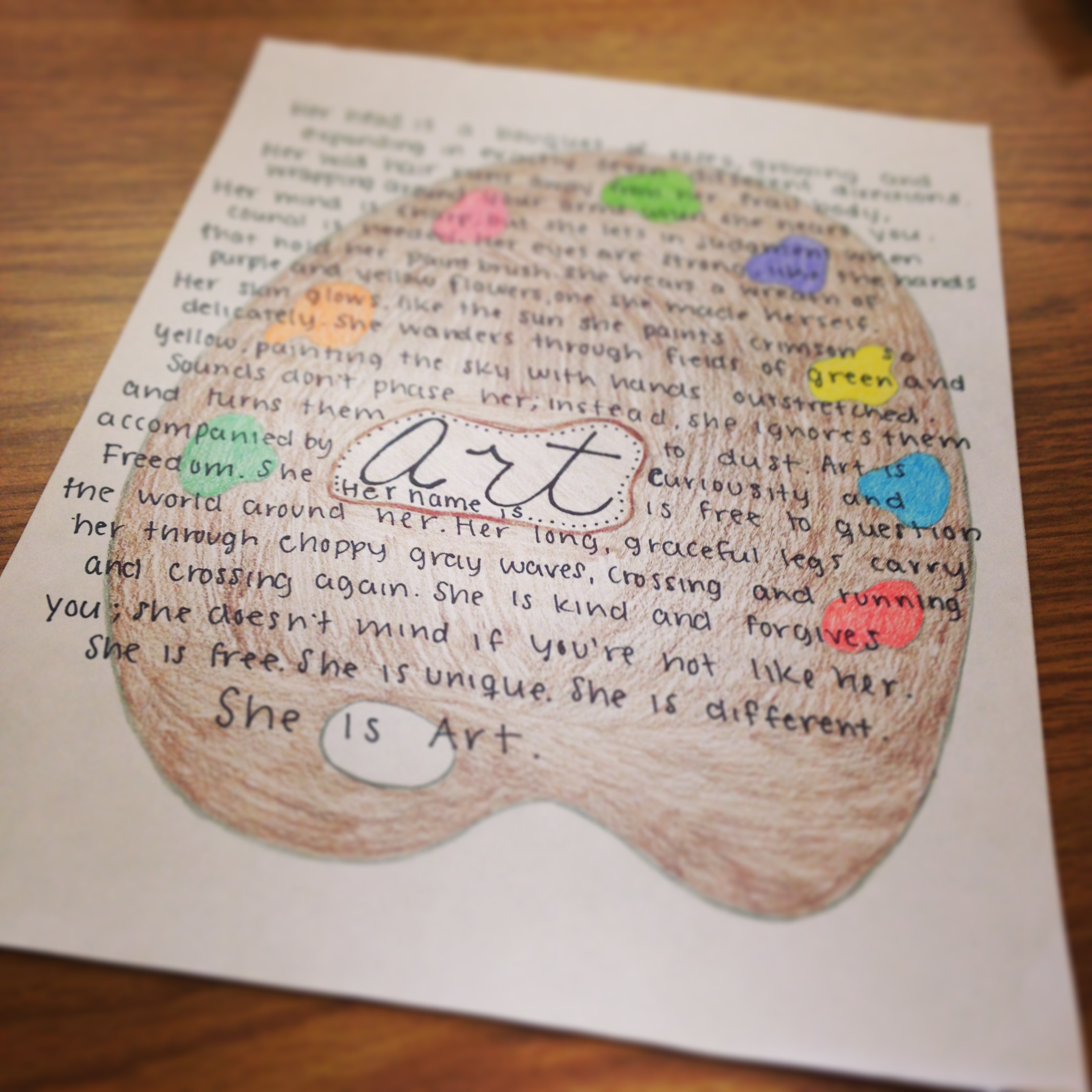
Personifying art--one piece from a student's multigenre project.

Personifying art–one piece from a student’s multigenre project.

Both my students and I love funky writing—the weird eccentricities of modern print where authors dabble with a variety of fonts, writing styles, photographs, and formats. There’s something about that departure from the norm that draws us in, holds our attention, and keeps us reading just to see what is on the next page.

In turn, when I began the multigenre project based on Tom Romano’s book Blending Genre, Altering Style: Writing Multigenre Papers, I knew I needed a new set of mentor texts to help guide my students’ writing. I loved sitting down to stacks of multigenre papers, and my students loved reading each other’s work. The problem was my students rarely had strong examples to guide them in developing the continuity that comes with one paper on one topic written through multiple genres. And so the search began.

This year, one of my new classroom shelves includes “multigenre books.” The benefits are twofold: students will become familiar with the multigenre concept before even being introduced to the project and they will see the unique ways a wide variety of authors diversify their work. The greatest part is that multigenre writing extends across a variety of literary genres.

Here are some highlights from my new collection:

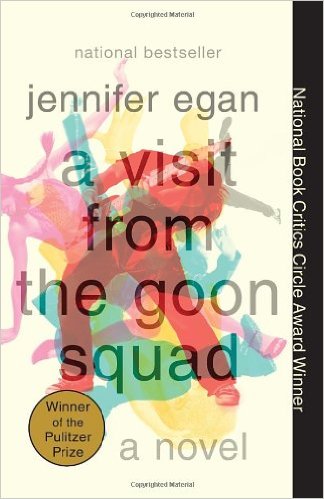
41HGJKFdW3L._SX327_BO1,204,203,200_51uJcmUm23L._SX322_BO1,204,203,200_A Visit from the Goon Squad by Jennifer Egan—Has an entire chapter in PowerPoint slides. How cool!

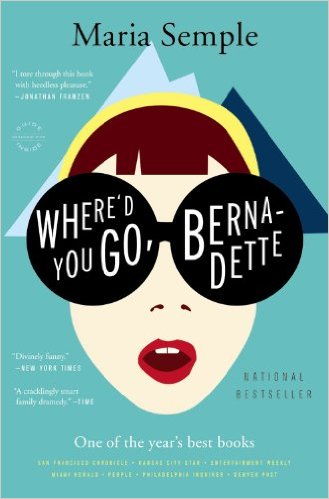
Where’d You Go Bernadette by Maria Semple—Amusing memos and e-mails illustrate character development and voice.

The Absolutely True Diary of a Part-Time Indian by Sherman Alexie – Hilarious doodles, caricatures, and cartoons. One ofmy all time favorite books!

Extremely Loud and Incredibly Close by Jonathan Safran Foer—Every year I have to assure a student that the red ink wasn’t a student’s bored graffiti; it really is part of the author’s the writing.

In the Company of Whispers by Sallie Lowenstein – Includes family letters and black-and-white photographs.

Eyes Wide Open by Paul Fleischman – Great use of infographics for research.

Why We Broke Up by Daniel Handler (author) Maira Kalman (illustrator)—Not only is it written in letter form, but the letters are about individual objects, all of which are accompanied by gorgeous illustrations.

The Art of Secrets by James Klise—Letters, articles, lists, and shifting perspectives keep you interested.

Encyclopedia of an Ordinary Life by Amy Rosenthal—Rosenthal not only wrote a memoir in encyclopedia entries, but she also made reading encyclopedia entries fun.

Yes, Please by Amy Poehler—There are two pages devoted to haikus on plastic surgery. What more is there to say?

Your turn! What multigenre books might you suggest? What are some new shelves you’ll be adding to your classroom library this year?

3 Creative Resources to Ignite a Writer’s Notebook

As I mentioned in Contagious Creative Concentration: A Week in Reflection on Tuesday, there is so much to gain when we infuse creative outlets and ample time for students to stretch their minds during the learning process.  Amy’s posted comment, “I imagine I am guilty like many others of thinking: “If I only had the time.” Seems time is the enemy of creativity, or at least it is if we let her rule our lives. Thank you for this reminder about inviting creativity into the classroom. Coloring on the edges. I like that,” relates the learnings from the week at UNH’s Literacy Institute to the significance of infusing the Readers Writers Workshop model into our learning communities.

Jackie’s post from yesterday 3 Ways to Jump-Start Reluctant Writers also provides three concrete ways to joggle ideas for our student learners.  And to conclude our weeklong focus on the Writer’s Notebook, tomorrow Shana will be discussing more ideas on how to make them a (creative) staple in all of our classrooms.

So, as the four of us here at Three Teachers Talk continue to write and think and process through the importance of the Writer’s Notebook and our excitement towards implementing them on Day 1 of our new school year…we invite you to do the same.  Here are some resources to spark and intrigue learners of all ages and to support them in embracing their inner originality and individuality:

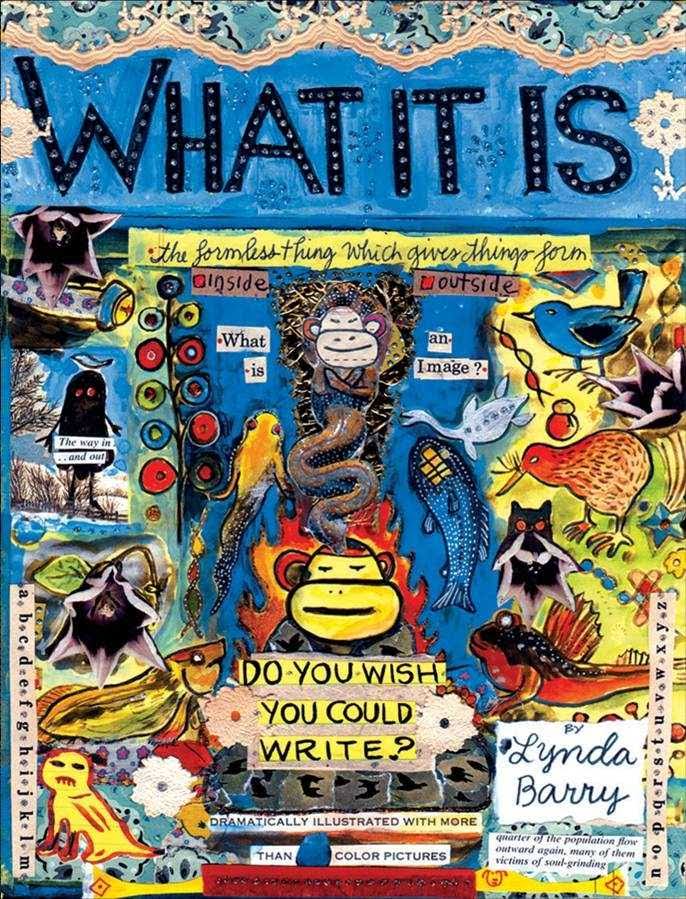
Lynda Barry’s works are phenomenal.  I suggest you hop onto her website to take a look at her thinking, pedagogy, and resources…and to also enjoy an interactive look inside her books. (Some pictured here.)

Syllabus

What it isPicture This


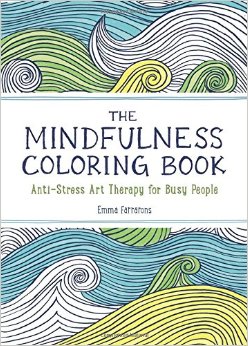
Mindful Coloring


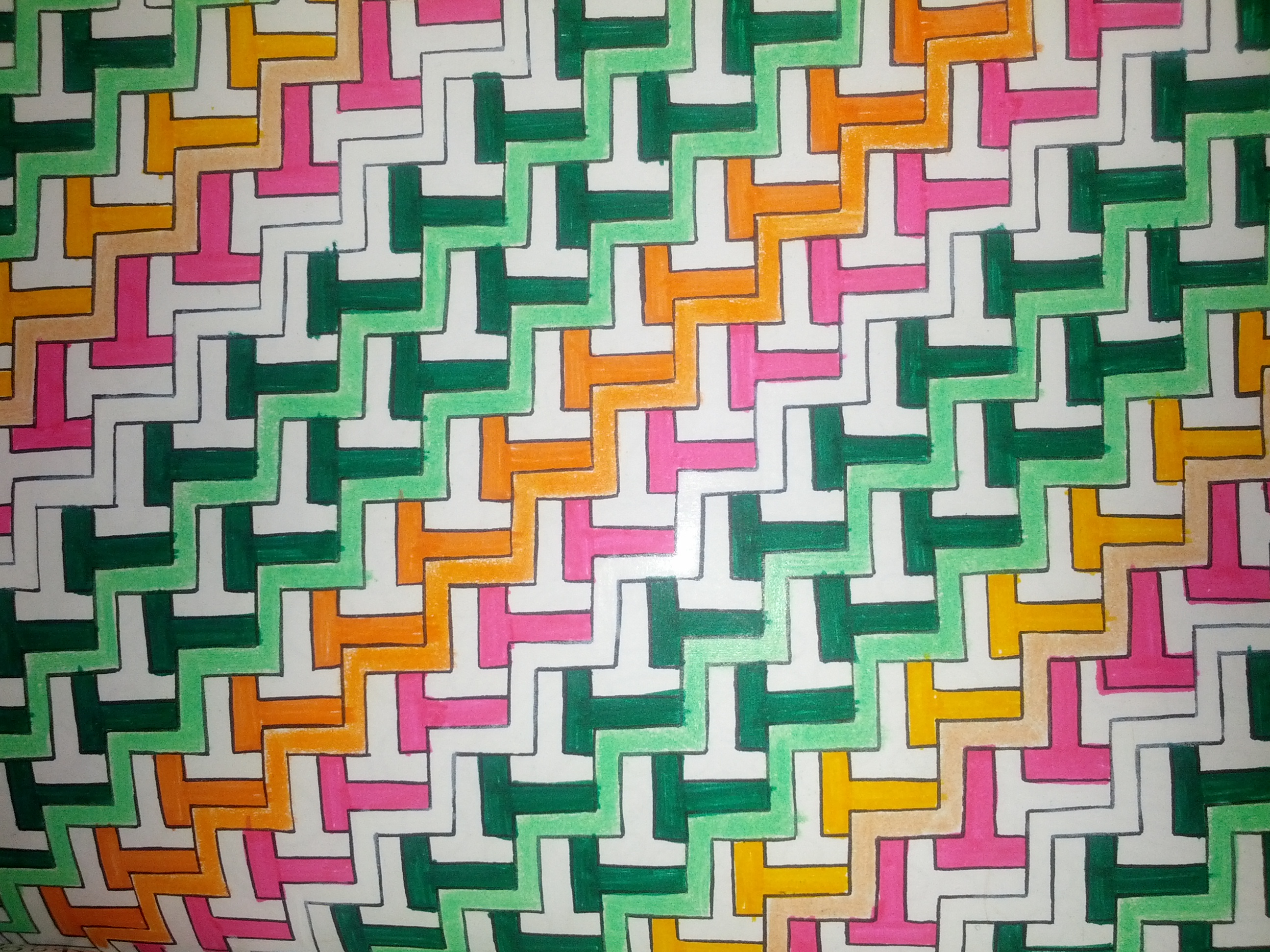
The Mindfulness Coloring Book is a coloring book that provides page after page of innovative visuals to be colored however the user so wishes.IMG_20150727_211908 While doing so, one’s stress decreases and focus increases.  Here’s a peek at how I utilized it while taking a graduate course this summer – in an attempt to balance the workload with an element of zen.


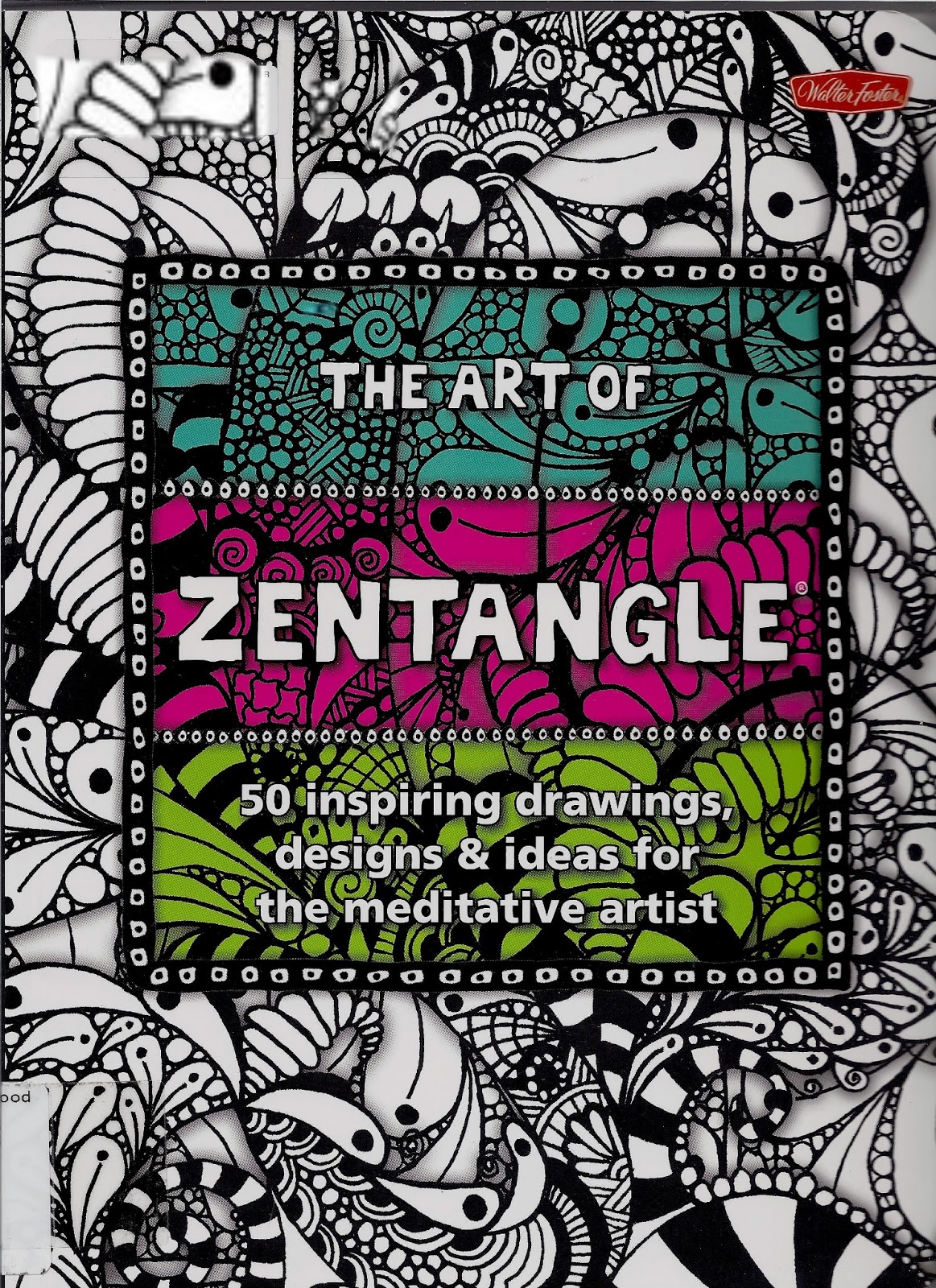
Art-of-Zentangle


The Art of Zentangle explores the artistry and creativity for those looking for a bit of a challenge – as so many of our students are, yet it is incredibly accessible for doodlers of all levels.  There are a plethora of tutorials on youtube.com for you to start your hand at zentangling while also sharing the process with students.


I hope these resources have inspired you to think about lessening stress levels; providing students an outlet that ultimately drives their focus and concentration; and how to organically and authentically let students explore their inner-most thinking through the art of creating.  And, if you happen to find (or already know of) resources that students are thoroughly enjoying, please leave the titles and anecdotes in the comment section below.  The list of creative resources truly does go on and on!

#FridayReads: Books Boys Love

Bedtime_readingAt the conclusion of our course with Tom Newkirk at the University of New Hampshire Literacy Institutes, our class collaboratively created a list of books that boys love.

Please add your own suggestions for your male students’ favorite books in the comments!

  1. Into Thin Air, Into the Wild, and Where Men Win Glory by Jon Krakauer
  2. Peace Like a River by Leif Enger
  3. Unwind and others by Neal Shusterman
  4. Absolutely True Diary of a Part-Time Indian by Sherman Alexie
  5. Sleepers by Lorenzo Carcaterra
  6. Hellhound on His Trail by Hampton Sides
  7. Maze Runner by James Dashner
  8. Forgive Me, Leonard Peacock and BOY21 by Matthew Quick
  9. Mexican Whiteboy and others by Matt de la Pena
  10. I am the Messenger by Markus Zusak
  11. Start Something That Matters, Little Princes, and other inspiring memoirs
  12. Winger and 100 Sideways Miles by Andrew Smith
  13. Unbroken by Laura Hillenbrand
  14. A Child Called It by Dave Pelzer
  15. American Sniper, The Things They Carried, Ghost Soldiers, The Good Soldiers, No Easy Day, and other war books in general
  16. City of Thieves by David Benioff
  17. Boot Camp and others by Todd Strasser
  18. Stiff, Spook, etc. by Mary Roach
  19. Fight Club by Chuck Palahniuk
  20. Anything by Gary Paulsen or Jack Gantos
  21. Iron Man, Deadline, and others by Chris Crutcher
  22. The Discworld series by Terry Pratchett
  23. Warhammer novels by Ian Watson
  24. The First Stone, Running on Empty, and other books by Don Aker
  25. GRAPHIC NOVELS:
    • Walking Dead
    • Maus
    • Watchmen
    • A Dozen Demons
    • V for Vendetta
    • American Born Chinese
    • Chew 
    • Naruto
    • Pride
    • Persepolis
    • Burma Chronicles
    • My Friend Dahmer
    • Stitches
    • The Photographer: Into War-Torn Afghanistan With Doctors Without Borders
  26. Ice Time by Jay Atkinson
  27. Everything by Walter Dean Myers
  28. An Invisible Thread by Laura Schroff
  29. Crank, Rumble, and more by Ellen Hopkins
  30. 4021A by Joe Hill (Stephen King’s son)

#ShelfieShare – Growing Your Library

FullSizeRender[1]Yesterday was our last real day of school, and it was a busy one.  My students spent our last class periods together sharing their final multigenre writings with one another, clearing out their writing portfolios, and packing up their notebooks.

They also flooded me with classroom library books and sheepish smiles.

“Sorry,” Riley said, as she entered my classroom with a shopping bag full of books.  “I didn’t realize I had like 12 of your books at home.”

“I opened a cabinet and found like 20 of your books!” Emily said.

“If I bring back all your books, can I borrow like five for the summer?” Jordan asked.

“I found The Book Thief and almost just kept it, for the irony,” Hailey explained.

Now that all the books that are usually on kitchen tables, under beds, and piling on nightstands have begun to find their way back onto my bookshelves, things are looking a little crowded:

FullSizeRender

The five bookshelves in my classroom are mostly full of independent reading books–a class set of literature and grammar books, dictionaries, and book club collections provided by my department find their homes on the bottom shelves, but everything else has been a labor of love to build on my own.

FullSizeRender[4]I began building my library six years ago, and started with anything I could find at Half-Price Books.  I spent $20 a month in the clearance section, netting $1-2 finds that built my sci-fi and YA sections, and used my staff ID to get an extra 10% off.  During the holidays, HPB ran promotions for free $5 or $10 gift cards with the purchase of a $25 gift card, and I took advantage of those aggressively.

Next, I discovered Barnes & Noble‘s very generous 25% teacher discount, and shopped mainly in their clearance section, which was always well stocked with “former bestsellers.”  This was perfect, as a book had been out just long enough to generate buzz among my students.  I became a bit of a regular there, and began to ask the manager if he had any damaged, extra, or reject books he didn’t want.  He obliged, providing me with class sets of The Perks of Being a WallflowerWaiting to Exhale, and Tuesdays with Morrie–totally gratis.  I also got lots of hardcover books that were being replaced by paperback editions, again, for free.

Next, I discovered the generosity of my school’s PTA, which granted teachers up to $100 per year in classroom supplies.  Every year, my $100 was spent at Wal-Mart, Half-Price Books, or any other purveyor of cheap books.

FullSizeRender[3]By the time the summer of 2013 rolled around, my library was in decent shape–I had about 800 books, mostly paperback, mostly YA and general fiction.  I traveled to New Hampshire to take Penny Kittle’s course about informational writing, and fell in love with nonfiction.  I also met my amazing friends Amy, Jackie, Erika, and Emily, who told me about DonorsChoose.  I created, and funded, several projects–especially ones that helped me get lots of nonfiction–right away, which increased the number of books in my library up to about 2,000–all without a dime of my own money.

I also created DonorsChoose projects that were funded every October by U.S. Cellular, a partner of DonorsChoose.  Depending on your state, big businesses or even celebrities may fund your existing projects of up to $1000.  I used this partnership to fund two $1000 grants, growing my library up to about 3,000 books.

FullSizeRender[2]For my next brainstorm, I began to write letters to local big-box businesses, asking for donations of gift cards to purchase books.  Target, Sam’s Club, Kroger, and Wal-Mart all granted me gift cards, nearly monthly, of up to $50 per month.  Target in particular was wonderful, as their website offers a wide variety of books, especially great nonfiction finds, and free shipping on purchases of $50 or more.

When I finally got an iPhone in October of 2014, I joined Instagram and followed lots of bookish accounts.  Through these book fanatics, I learned about Book Depository, which offers discounted books with free shipping to anywhere in the world; Books-a-Million, which has a wonderful bargain section and an awesome used books market; and the glorious world of GoodReads giveaways, where free ARCs can be won by one and all.

This summer, I’ll take a week of rest, then begin to write book donation request letters, a DonorsChoose grant, and a variety of Morgantown-specific grants.  I’ll focus on replacing lost or stolen books, getting newly-paperback titles, and building shelves I think are a little weak.  I hope you’ll use this slew of resources to build your library, and your readers’ choices, too!

What are your favorite strategies for building your library?

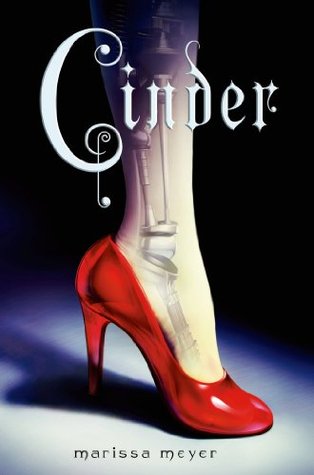
Cinder by Marissa Meyer

cinder

“Even in the future, the story begins with Once Upon a Time.”

Are you looking for a good old fashioned dystopian YA series to start your summer?

How about a modernization of a classic fairy tale?

Or, have you been craving a story about a cyborg mechanic, trying to avoid a plague, who’s got secret mental powers, a really crappy stepmother, and is actually a lost princess?

Well, if any or all of those books sound good to you, then look no further–this one will grant all your wishes.  Cinder by Marissa Meyer is book one of the Lunar Chronicles, a series incorporating futuristic versions of Cinderella, Little Red Riding Hood, Rapunzel, and more.  But it’s not just a book that retells a classic fairy tale–my boy readers love it too, because Cinder is a mechanic who works on androids in a post-WWIII future.  Complete with hovercrafts, bizarre medical technology, and sinister political plots, this story really has it all.

“But if there was one thing she knew from years as a mechanic, it was that some stains never came out.”

As a narrator, Cinder is complex, likable, sarcastic, and the embodiment of different.  In her society, cyborgs are considered less than human, and she battles this stereotype throughout the story.  Still, she responds to her critics with dry humor that made me guffaw as I read, and an unapologetic bent that made me know she’d be a great role model for my students.  Cinder defies convention in every way–a female mechanic, a plain princess, a cyborg in a human society–and yet her bioelectric backbone keeps her standing tall through it all.  I truly fell in love with her character by the heartbreaking, humiliating end of this first book, and immediately ordered the next two on Amazon.

“It is easier to trick others into perceiving you as beautiful if you can convince yourself you are beautiful. But mirrors have an uncanny way of telling the truth.”

Marissa Meyer crafts an incredible, fascinating future in the Lunar Chronicles, and writes with a style and flair that lend personality to the dystopian drama that unfolds in this series.  I highly recommend Cinder and its sequels for the science fiction shelf of your classroom library–scoop it up to enjoy before the magic wears off at midnight!

Our Year-In-Review

As we round out the 2014-2015 academic school year, I would like share our Year-In-Review from us here at TTT and dedicate it to all of our loyal and contributing teacher friends who share in our experiences throughout the year.  Playing with the Reading Writing Workshop model is always exhilarating and fresh and exciting and freeing and thought-provoking.  It’s always propelling us, as educators, to break through barriers and teach with our most authentic teaching souls.

So, to capture the essence of how we have all explored the model this school year; here are highlights that allow us to celebrate the risks, the questions, the stumbles, the ‘ah-ha’s, the setbacks, and of course…the successes.  As we are all still progressing through this last month of our current school year, we hope that resurfacing some of our favorite moments will ignite the fire that keeps us all educating with fierce passion, deep inquiry, and continual evolution.

The calm zen of the RWW in Texas.

The calm zen of the RWW in TX.

First up: The lovely Amy Rasmussen who never ceases to amaze all of us with her wit, wisdom, and wildly insightful thinking.  Here is a woman who has taken the RWW by storm and has not looked back; the only time she does is to pick up, dust off, and gently guide those who are trying to find their way through the process.  She is an excellent mentor and extraordinary educator who ensures that her Advanced Placement students are gifted the wonders of the RWW. Here is a collection of how Amy has guided us through the intricacies of customizing the RWW for our own learners:

A Feedback Protocol for Revision Workshop

5 Reasons Why Reading Conferences Matter — Especially in High School English

5 Ways to Enjoy the Last Month of School


A reminder of student movement and achievement.

A reminder of student movement and achievement in NH.

Next: Jackie Catcher’s name could not be more appropriate.  We know the catcher’s responsibility on the field is to guide the team to strategic success; Jackie does the same infield – in her classroom. She moves her students with her unyielding dedication through continual infused literacy by craftily customizing projects and lessons that engage students. She is a powerhouse who, through all the struggles and obstacles of a second year educator, never ceases to find innovative ways to educate and inspire.  Most importantly, she is always a learner first and shares her inquiry with others to not only think collectively, but to create success-driven solutions.  Here is some of her story:

Building My Library Around My Students

Unraveling the Mystery of Poetry

The Question That Changes My Students’ Writing


A bright and energetic learning environment in WV.

A bright and energetic learning environment in WV.

Thirdly: The always-invigorating Shana Karnes. Shana is a shining light to her students, yet her light shines brightly for the world of evolving educators as well.  She is open to sharing her passion, her innovative thinking, and the way she creatively customizes the RWW for her students in the throws of West Virginia.  Shana never loses sight of how vital piles and piles of literature are for the growth of her young readers and emerging writers.  She knows how to roll up her sleeves and do the work right beside her scholars.  It is through the sheer joy of all things literacy, that Shana explores the world of the RWW:

We Learn Facts from Fiction

Teach Readers, Not Books: A Case for Choice Reading in ALL Classes

The Value of Talk


The shelves where our identities are qualified, our ideas solidified, and our passion realized.

The shelves where our identities are qualified, our ideas solidified, and our passions realized in NY.

Rounding it out: Erika Bogdany.  Through the RWW I have challenged my students, and they in turn, have challenged me.  They push me continually with their own inquiries and want to be more fluid writers.  They challenge my writing by offering suggestions and insight that I have bestowed upon them; the gift of creating a safe community for all learners to read, write, risk, and share.  It is through the RWW that students find pride in their work, volume in their voice, crafted secrets in their writing, and beauty in themselves.  It is with passion and grace that students flutter and flop; yet learn how to fly:

All it Takes is a Tutu and Some Focus

Beyond These Four Walls

Today We Draw


We hope that our moment of reflection and celebration continues to provide you ideas and inspiration throughout the remaining time you have with your unique readers and writers this year.  We’d love to continue hearing your voices, feedback, and generous insight while we round out this school year…and look forward to the year ahead!