Category Archives: Classroom Library

#FridayReads: Investments, Books, and the Need to Read

I am addicted to books. No question. I am a bibliophile.

And I am proud of it.

I have this not-so-secret hope that my students will be bibliophiles, too. I work very hard to make them so.

This year I’ve had a bit of trouble getting students to read. Okay, I’ve had a lot of trouble getting students to read. It’s been the hardest year for me in the years since I turned to a workshop and choice pedagogy.

I am at fault for not conferring enough, not talking about books enough, not introducing enough books that I know my students will love.  I’ve reflected enough on my practice to get that.

Finally, the light dawned:  Get them investing in the books, not just invested in the reading. But get students making the choices about what books I need in my classroom library.

Fortunately, I’ve been blessed with some kind grant benefactors and have some money to invest in books. (Shana is an expert at grant writing, and I’ve highlighted her post in the past. I do it again here.) It takes some time to write grant proposals, and then once awarded, it takes some time completing books orders — I should have done all this sooner in the year.

In class this week, I gave students an assignment:

  • Search and find a book about social issues you want to read with at least one other person in class. (I’m working on getting multiples of great titles in my classroom library.)
  • Find an award-winning book, or at least a book written by an award-winning author. (At NCTE Penny Kittle said something like “…the more you read of the best literature, the more you’ll recognize it.) I know this is true. Students begin to see it too when they read books that reflect rich and meaningful author’s craft.

So, today for #FridayReads I share with you the list of books my students came up with. I’m pretty sure they will be fantastic reads.

The Martian Andy Weir
Everything I Never Told You Celeste Ng
Challenger Deep Neal Shusterman
Love and Other Ways of Dying Michael Paterniti
Did You Ever Have a Familly Bill Clegg
Fate and Furies Lauren Groff
All the Light We Cannot See Anthony Doer
The Goldfinch Donna Tartt
The Road of Lost Innocence Somaly Mam
Between the World and Me Ta-Nehisi Coates
Inside a Hollow Tree Kevin White
Behind the Beautiful Forevers Katherine Boo
Symphony for the City of the Dead M.T. Anderson
A Little Life Hanya Yanagilhara
Refund: Stories Karen E. Bender
Sickened: the True Story of a Lost Childhood Julie Gregory
The Invisible Girls Sarah Thebarge
Pretty Little Killers Daleen Berry
Columbine Dave Cullen
Redeployment Phil Klay
My Story Elizabeth Smart
Hope: A Memoir of Survival in Cleveland Amanda Berry

#FridayReads: 7 Author-Talks Students Love

IMG_0473

This week’s author-talks

As my students and I returned from a full nine days of Thanksgiving break this week, getting back into the groove of workshop was tough–for all of us.  I was totally whacked out from frantically finishing NaNoWriMo, and the kids were all out of sorts from too much turkey and not enough routine.

I needed something that would hook them back into the magic of reading and writing workshop–wonderful books, but more than that…wonderful authors who write those books.  So this week and next, my booktalks are all author-talks…book pairings by high-interest authors students love, whose stories captivate and amaze and inspire.  Here are seven book pairings by the same author that are insanely popular with my readers.

Rainbow Rowell, Fangirl & Carry On Fangirl goes over well with my seniors for two reasons–one, it was drafted during NaNoWriMo, and two, it begins on the first day college for the main character, Cath.  Cath is an unabashed fangirl who writes her own fanfiction–and that’s where Carry On comes in.  Carry On is the fanfic that Cath spent most of Fangirl writing.  For a generation who grew up reading as many alternate-ending fanfics for Harry Potter as they did, this unique pairing is a instant hit.

Inside-Countdown-2

Inside Countdown

Deborah Wiles, RevolutionCountdown – Penny Kittle has been singing the praises of Revolution for two years now, first at UNHLit and then again this year at NCTE.  It’s a brilliant multigenre novel that blends photos from the sixties with the narrative of a girl struggling to deal with that tumultuous time in history herself.  Countdown, the first book in the series, is even more popular with my students than Revolution is.  The series helps bring to life something they study in history class again and again, all in a unique, compelling format.

Chris Lynch, Freewill & Inexcusable – The award-winning Inexcusable tells a story of sexual violence from the perpetrator’s point of view.  Kids are compelled by this tale’s unique presentation of a controversial event, and it helps boys and girls alike gain a new perspective on an act that is often discussed but rarely experienced.  After they read Inexcusable, I recommend the Printz-nominated Freewill, the story of a boy who is oddly compelled to create totems in his wood shop class after a rash of local teens begin committing suicide.  Themes of grief, guilt, and creative outlet make this one a hit with my students too, as does the unique fact that it’s told in second person point of view.

wintergirls

Inside Wintergirls

Laurie Halse Anderson, The Impossible Knife of Memory & Wintergirls – Most students at our school read Speak in ninth grade, and they begin to appreciate Laurie Halse Anderson even more when they read Wintergirls, the story of a teen who battles bulimia and anorexia.  The writing in this book is stunning, and the plot is compelling.  When kids finish this un-put-down-able book, I recommend The Impossible Knife of Memory, in which a teen girl struggles with her father’s PTSD after his return from Iraq.  The novel hooks both boys and girls, as it follows both the father and daughter’s struggle.

Matt de la Pena, The Living The Hunted – In The Living, Shy is excited to get a job on a cruise liner…until “The Big One”–a major earthquake on the Pacific coast–hits.  Most of the passengers and crew aboard the cruise ship are killed, save for a few, including Shy, and a few people also on the dinghy he clings to for life.  When Shy learns a secret that people will kill for, he goes from just being one of the living to being one of the hunted.  This believable suspense series hooks my students.

Screenshot 2015-12-03 at 4.18.48 PM

Inside Symphony for the City of the Dead

M.T. Anderson, Feed & Symphony for the City of the Dead – I learned about Symphony for the City of the Dead, a powerful book detailing the siege of Leningrad during World War II, while standing in line to register for ALAN.  Kim McCollum-Clark told a few of us teachers and librarians about this amazing story, which pairs gripping exposition with historical photographs from the time period.  Amid brutality, Dmitri Shostakovich wrote a symphony for his dying city that uplifted both its citizens and the Allied forces working to free them.  The spies and death and music of the book intrigue my students, and I recommend to them Feed when they finish.  Feed is eerily plausible, the story of a future in which smartphones aren’t in our hands, they’re in our heads.  The feed contains advertisements, social media, news, sports, and anything we currently look at on our phones–all behind your retinas.  When an accident disables Titus’ feed, he struggles with life beyond the feed, and it’s a haunting cautionary tale my students are compelled by.

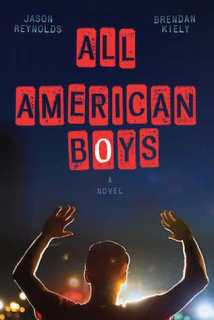
Jason Reynolds, The Boy in the Black Suit & All-American Boys (with Brendan Kiely) – I picked up The Boy in the Black Suit last year at ALAN, and this year I scored All-American Boys after Amy’s recommendation.  In Black Suit, the main character wears a black suit every day for his job at a funeral home, although his peers think it’s some weird tribute to his mother’s recent death.  Matt feels like he is barely getting by until he meets Lovey, who is a model of strength despite dealing with even more tragedy than he.  All-American Boys is a timely novel that alternates between points of view of Rashad and Quinn as both boys–one black, one white–deal with an incident involving Rashad, a fist-happy cop, and Quinn as a witness.  It is haunting and beautifully written and incredibly eye-opening for my readers.

What author-talks are guaranteed to engage your readers?  Please share in the comments!

#FridayReads A Must-Read Book: All American Boys

I saw a tweet last week that read something like this:  “What if you look like the people others are afraid of?”

The context was the Syrian refugees, I’m sure. The terrors in Paris blasted the news. So many dead. So many injured.

So many with no place to go.

My heart hurt, and I am not sure about the timing, but I’m quite 25657130sure God told me to read the book All American Boys by Jason Reynolds and Brendan Kiely, the story of two American teens who attend the same high school:  one white, one black. Both with families who love them. Both caught in a situation that represents many we’ve heard over and over again:  “the repercussions of a single violent act that leaves their school, their community, and, ultimately, the country bitterly divided by racial tension.”

For the past couple of weeks my students and I have read some of the writing of Leonard Pitts, Jr. We read his work to learn to become better writers. Among others, we read “We need a better plan to probe police shootings,” and “We don’t want to watch police — but we have to.” We talked about Pitt’s message, and we analyzed his craft.

We questioned what we know has happened way too often, and we shared ideas and opinions about how the actions of some affect the lives of many.

We sat in a circle: Black and White and Chin and Mexican. We talked. And listened. We tried to understand.

All American Boys is a story for every classroom library. It’s a story for every classroom teacher. Every administrator. Every parent. Every police officer.

We must invite candid stories and candid conversations about race into our learning environments. How else will we ever learn to see past color into hearts and minds and hope?

Booklist Starred Review states: “. . .this hard-edged, ripped-from-the-headlines book is more than a problem novel; it’s a carefully plotted, psychologically acute, character-driven work of fiction that dramatizes an all-too-frequent occurrence. Police brutality and race relations in America are issues that demand debate and discussion, which this superb book powerfully enables.”

If you add one book to your reading list this fall, I hope it is All American Boys. It ranks right up there with Forgive Me, Leonard Peacock for books that will stay with me forever.

I need about 10 copies for my classroom library.

#FridayReads: 6 Ways to Stir Up Your Daily Book Talk

I’m not sure if it is because we are on the cusp of cold weather or that we just ended quarter one, but my students are dragging.  They rub their eyes more in the morning, carry in larger cups of coffee, and stoop a little lower in their chairs.

This lethargy seeps into even my strongest classes, which is why I like to change up my approach to book talks from time to time to re-energize students before they dive into their independent reading books.  Here are five ways I stir up my book talks.

  1. Musical Chairs: Music is naturally energizing and I love getting books in students’ hands FullSizeRenderquickly. This is “played” like typical musical chairs, the main difference is that students who sit in a chair also get to look at the book that has been placed on the desk behind them (I have separated desks and chairs so I face the chairs outwards).  The student left without a chair writes a “mini-book talk” on the board, which includes the title of the book they have read this year, the author, how many stars it would receive out of five, and a quick sentence to get readers interested.
  2. Group Book Talks: Getting students chatting about books is one way to ramp up energy at the start of class. My desks are grouped into fours, so students turn to their group members and book talk their current book (or a book they read prior).  Oftentimes there are repeat book talks from books I previously shared, but I reiterate the value of multiple perspectives and opinions.  What others notice as readers might be something I never thought to share.
  3. Guest Book Talks: I’ve spent years chatting with my favorite library staff about new YA books,FullSizeRender-3 but sadly it didn’t dawn on me to tap into their brilliance until this year.  Our phenomenal librarian Kathy Vetter book talked Between the World and Me by Ta-Nehisi Coates to my AP Literature students, and our AV and computer lab guru, Melissa Ciotti, book talked Little Brother by Cory Doctorow to my freshman classes.  By the end of their visits, all copies had been checked out of both the classroom and school libraries.  Next up, I have a PE teacher…and hopefully our principal! Students need positive reading role models in all of their educators.
  4. Speed Dating: I have mentioned speed dating with books multiple times before, but it is one of my favorite ways to get books off my shelves and into my students’ hands. I typically put the desks in a circle and have students rotate the books every minute or so, but I love Amy’s approach as well.
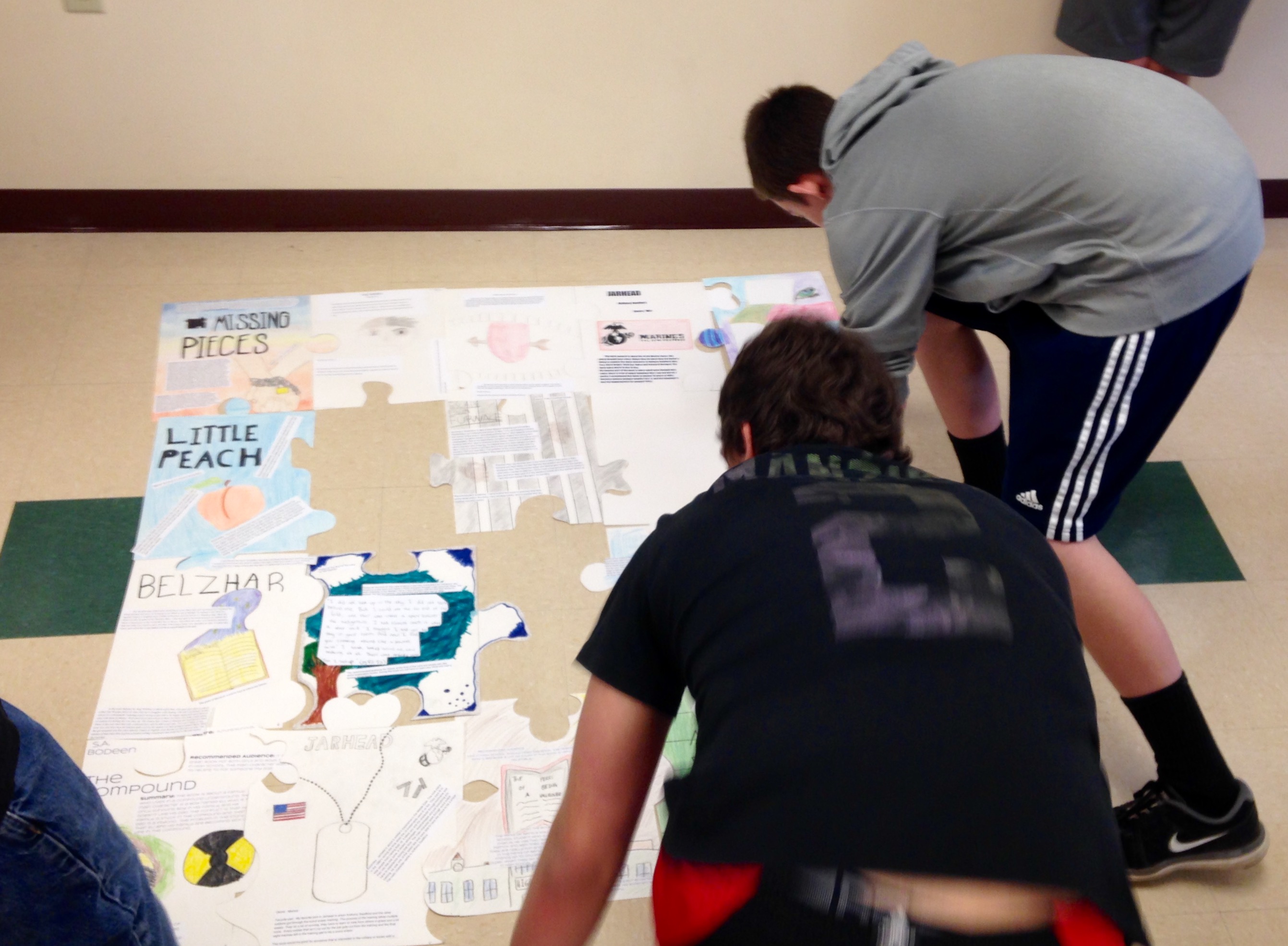
  5. Book Talk Puzzle: This is a longer project, but I love the final product.
    Students piece together their final book talk puzzle.

    Students piece together their final book talk puzzle.

    Students write out book talks on large puzzle pieces.  I have students discuss their favorite parts of the book and to whom they might recommend it.  Finally they draw their favorite scene, symbols, or images from the book.  Once the puzzle pieces are complete, we share our final products, build the puzzle, and put it on display for our peers.

  6. Book Trailers: I had my Advanced Composition students complete book trailers last year. The final films were phenomenal and provided excellent material for this year’s book talks.  I oftentimes play the film for my students then read an excerpt to expose them to the language.  There are some brilliant book trailers here and sprinkled across the Internet and TTT.

What do you do to change up your book talk schedule during the year? What are some unique ways you introduce your students to various titles?

#FridayReads: 14 Titles My Students Always Re-Read

NCLast week, Dylan looked at me with utter dismay when I told him that I still didn’t have the third book in the Maze Runner series.  Then, he brightened.  “I was actually kind of confused about some things that happened in The Scorch Trials.  Can I re-read it while I’m waiting for the third book to get returned?”

“Of course,” I agreed.  Musing, I jotted down some titles in my notebook that I wanted to re-read–my usual favorites, of course, but also books I’d only read once and had just loved–The Night Circus, Station Eleven, Zeitoun.  It made me wonder about what other books students wanted to re-read, so this past week, I asked them about it during conferences.  Lots of titles emerged, and I soon saw a pattern emerge–there were four reasons why they wanted to read particular books again and again.

HPSeries.  It quickly became apparent that if a new book in a series was coming out, re-reads were necessary.  “I’ve read the whole Harry Potter series three or four times,” Ryan told me.  “I understood all the hidden references and more about the characters the second and third times.”  Olivia agreed: “Those books are so complex there’s no way to understand everything in them the first time you read them.”

Anna read the whole Percy Jackson series twice “because I was in middle school and the struggle was real in finding books I enjoyed.  So I just re-read ones I knew I enjoyed!”

Shailyn read the Twilight series twice, and is reading it again now for the third time since the 10th anniversary editions were just released.  “I just loved the story,” she said.

Books that were being made into movies.  Mylana was adamant about this category: “I had to re-read Paper Towns really quick before the movie came out so I could tear it apart with how it didn’t compare to the book.”

Kaylee laughed and agreed: “I re-read The Fault in Our Stars for the same reason!!”

EPReally gripping stories.  “American Sniper was tough to re-read, but I did, because the story was so powerful.  I just wanted to experience it again,” Ryan said.

Eleanor and Park was the most beautiful love story I’ve ever read,” Olivia said, “so I’ve read it three times!”

“I re-read All the Bright Places, because it was probably the best book I’ve ever read,” Shailyn said.

“I read The Giver and The Help twice because I wanted to pay more attention to the moral story line and internal struggle in all of us that was portrayed so candidly in those books,” Anna said.

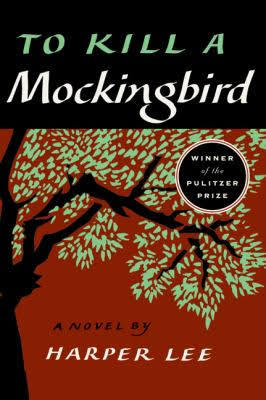
AFBooks they were assigned in school.  Mockingbird was popular in this category: “I’ve read To Kill a Mockingbird numerous times because it’s my favorite, it’s a classic, and because I discover new details about the trial and Boo and Atticus each time I re-read it,” Olivia said decisively.

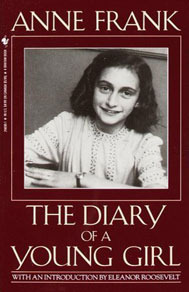
“I re-read The Diary of Anne Frank because I read it first as an assignment, but then re-read for fun because I wanted to think more about her time period vs. ours,” Mylana said.

“I had to re-read The Book Thief after it was assigned to me because I just wanted to focus on the storytelling the second time through,” Jonathan agreed.

What titles do your students (and you) love to re-read?  Share in the comments!

#FridayReads: Hot Non-fiction for High School Readers

I still have non-readers. We are ending the ninth week of school, and usually by this time each fall, my Hold Outs experience a shift. They start reading. I haven’t pinpointed exact reasons for the resistance this year — I think I’m doing as many book talks, conferring sessions, and cheerleading-moments-about-books that I have in the past, but something is up with a good number of my students.. They just do not want to read.

I asked Bryan about his reading yesterday. He said, “I only read when I have to.”

“What can I do to help you want to read?” I asked.

“I don’t know.”

This is where it gets tough. I get to be a magician and a mind reader.

Or, I just need to know books and keep talking about them. I just need to keep encouraging my students to read and surround them with books they will find interesting.

A few weeks ago, Jackie wrote Top Books for Reluctant High School Readers, and I remembered Ready Player One, Gone Girl, and Perks of Being a Wallflower. I need to book talk those!

About two months ago, I wrote about the novels-in-verse I got for my classroom. Many of my students who had never read a book have read two, three, and four of those titles now.

I know many boys will read non-fiction when they won’t read “make believe.” Seems it’s time for an infusion of hot non-fiction books that might add some intrigue to my classroom bookshelves. I need books that students like Bryan will want to read.teen_school_boys_reading

I posed this question to my writing partners:

What are the hottest non-fiction titles in your classroom library?

Here’s our master list:

Jackie’s List

Ghost Soldiers by Hampton Sides

I’m Staying with my Boys by Jim Proser

Jarhead by Anthony Swofford

The Glass Castle by Jeannette Walls

Half-Broke Horses by Jeannette Walls

Sickened: The True Story of a Lost Childhood by Julie Gregory

The Devil’s Highway by Luis Alberto Urrea

Hellhound on His Trail by Hampton Sides

Kick Me by Paul Feig

Shana’s List

Pretty Little Killers by Daleen Berry (two girls murdered their best friend at the other high school in our county…kids cannot put this book down)

Columbine by Dave Cullen

Zeitoun by Dave Eggers

Five Days at Memorial by Sheri Fink (about Katrina; pairs well with Zeitoun)

Missoula by Jon Krakauer

…anything by the great sportswriter John Feinstein (The Punch, Next Man Up, A Season on the Brink)

Stiff by Mary Roach

Smoke Gets in Your Eyes by Caitlin Doughty (similar to Stiff; about working in a crematory)

…my War shelf, featuring Lone Survivor, American Sniper, Redeployment, or any other autobiography of a soldier

Erika’s List

Lucky by Alice Sebold (account of her rape and healing)

The Prisoner’s Wife &  Something Like Beautiful: One Single Mother’s Story  both by asha bandele

No Choirboy: Murder, Violence, and Teenagers on Death Row by Susan Kuklin

Inside: Life Behind Bars in America by Michael G. Santos

Orange is the New Black: My Year in a Woman’s Prison by Piper Kerman

Yummy by G.Neri (graphic novel based on a true story)

Shaq Talks Back by Shaquille O’Neal

Raising My Rainbow by Lori Duron

I Am Malala by Malala Yousafzai (Adult and YA)

A Child Called It, The Lost Boy, The Privilege of Youth, A Man Named Dave by Dave Pelzer (four part series, but each piece can be read independently)

Enrique’s Journey: The Story of a Boy’s Dangerous Journey to Reunite with his Mother  by Sonia Nazario

The Pact: Three Young Men Make a Promise & The Bond by Sampson Davis and George Jenkins

Destined to Witness: Growing up Black in Nazi Germany by Hans J. Massaquoi

Girlbomb: A Halfway Homeless Memoir & Have You Found Her by Janice Erlbaum

Amy’s List

A Stolen Life by Jaycee Dugard

Little Princes by Conor Grennan

Letters to My Young Brother by Harper Hill

The Sociopath Next Door by Martha Stout

Heaven is For Real by Todd Burpo

American Sniper by Chris Kyle

Just Mercy by Bryan Stevenson

The Glass Castle by Jeannette Walls

David and Goliath by Malcolm Gladwell

Exactly as I Am by Shaun Robinson

The Good Soldiers by David Finkel

Enrique’s Journey: The Story of a Boy’s Dangerous Journey to Reunite with his Mother  by Sonia Nazario

Life without Limits by Nick Vujicic

Do you know of any titles we left out?

©Amy Rasmussen, 2011 – 2015

#FridayReads: Learning to WRITE WHAT MATTERS with Tom Romano

IMG_9890With the release of his newest book, Write What Matters, this year marks the tenth year I’ve been reading and writing beside the words of Tom Romano.  If you’ve not discovered his wisdom on injecting writing voice into student work, his guidance about writing to discover, or his brilliance in coining multigenre…you’re missing out.

This summer, at the UNH Literacy Institutes, Tom Newkirk talked at length about the guts it took for Tom Romano to publish Clearing the Way in 1987–the first “teacher book” of its kind.  Guided by the research of Donald Graves and his contemporaries, Romano explains the text’s origins to his reader:

“This book is born out of my own struggles to write well and fourteen years of working hard with teenage writers.  Both the writing and the working have been worth it.  They are fine passions.

Thus began my pedagogical education–I read Clearing the Way in my very first English methods course in 2005.  Chapters like “The Crucial Role of Conferencing,” “A Creative Current,” and “Literary Warnings” showed me the possibilities if I created a classroom full of passion and verve and real writers.

IMG_9889Next I happened upon Crafting Authentic Voice, in Romano’s own writing methods class at Miami University in 2007.  A quote from page five of this book hangs prominently in my classroom to this day: “Voice is the writer’s presence on the page, the writer’s DNA.”  I point to those words when I endeavor to help students develop voice.  Chapters like “Enter Craft,” “The Five-Paragraph-You-Know-What,” and “Imitation” have guided my teaching of writing, and I see in those topics the work of Katie Wood Ray, Penny Kittle, and Georgia Heard.

Blending Genre, Altering Style I read in my Master’s level writing methods course, again with Romano himself.  This book helped me flesh out the nuts and bolts of teaching multigenre, which remains to this day both the most effective, enriching work I do with my students, and their very favorite thing.  Reading and writing about chapters like “The Many Ways of Poems,” “Genres Answered,” and the practical “Evaluation and Grading” led me to present with Romano on the many possibilities offered by multigenre at NCTE13.

I’d been teaching five years and was already living in West Virginia when I read Fearless Writing, seeking more guidance about teaching writing.  Practical chapters like “Easing into Poetry Through Imitation,” “Crafting Narrative,” and “Self-Assessment: Raising the Blinds” pushed me to take my teaching of many genres to new heights, with wonderful student results.

Last year, thrashing in the throes of a difficult PhD program, I sought wisdom from Romano in Zigzag, where his chapter “Meltdown” showed me empathy, peace, and guidance.  “I’d never been more at peace with a big decision,” Romano writes of leaving his own doctoral program.  I did the same, and I’m at peace too.

Now, as I prepare to welcome my first child into the world, I’m contemplating where my career will take me.  I’ve long known I don’t want to try to sustain my level of involvement with teaching high schoolers while trying to be a mom.  But I don’t want to leave the amazing, sustaining, nurturing community of teachers and writers and thinkers I engage with here at TTT, or at NCTE, or on Twitter.  I don’t want to leave my tribe, as Penny Kittle says.

Screen Shot 2015-10-23 at 5.34.59 AMAnd, again, Romano is here to guide me through my next steps–Write What Matters: For Yourself, For Others is lately ordered from Amazon and on its way to me.  I know that chapters like “Trust the Gush,” “Risk and All,” and “Who Are You to Presume to Write?” will guide me as I wonder about my future teacher-writer identity.  I know that this book is what I need right now:

Many want to write. But sometimes they lose heart. They are cowed in the face of so many fine writers of fiction, memoir, poetry, columns, and creative nonfiction. Their confidence wanes. If you want to write, but are hesitant, let Tom Romano lift your confidence. In Write What Matters you will find discussions of writing processes that make sense, demonstrations of effective strategies to try, advice about developing productive habits to get your writing done, and examples of illuminating writing from fearless writers, both professional and novice. Your voice, your vision, your way with words matter. They are tied to your identity. You know that you are more alive when you put words on paper. Accept that you not only want to write. You need to write. Write What Matters will help you learn to dwell in your written words and craft them into writing worth reading by others.

Pick up Write What Matters, or any of Tom’s many other works of wisdom and power.  Let Tom Romano lift your confidence–in your writing, your teaching, and your passion.  His words, and he, have been my single most reliable, important mentors as I seek to be a teacher of writing, a teacher-writer, and a plain old Saturday-morning-notebook-storyteller.

#FridayReads: Whole-Class Novels to Teach, and How to Frame Them

This past summer Shana and Jackie found that we’d both taken on a unique experiment within some of our classes–we had decided to strip them of whole class novels and instead focus on independent reading, book clubs, and smaller whole-class texts.  As workshop teachers confident in the power of choice reading, we each felt that this shift would be both empowering and inspiring within our classrooms.  After our year of experimentation, we both left our classrooms with unique perspectives on the power of whole-class novels as well as how we would incorporate them moving forward.

Today is the third and final installment of our week-long discussion using Google Docs.  Please, join the conversation in the comments!

41Cx8mY2UNL._SY344_BO1,204,203,200_Question 6: How is it different to be forced to teach a certain novel versus to be able to choose the ones you teach?

Jackie: I will readily admit that I am “forced” to teach To Kill A Mockingbird and Macbeth at the freshman level.  That being said, I love teaching both of them and am fortunate that my students respond well to both pieces.  The challenges are certainly different though.  I must create student buy-in or else my students will drag through the next four to six weeks of our unit.  I frame each lesson to fit their needs and I make sure to fit the book into a workshop structure the best I can to create consistency.

I do believe that teachers must have a choice in what they teach, though.  We must be allowed to tailor our lessons to fit the needs of our students.  Independent reading allows us to understand our students as readers and individuals, which in turn, allows us to further assess what books our students might connect with best.  Fortunately for me, the freshman team I work on is progressive and forward-thinking.  They’re always willing to try new things, which oftentimes involves integrating contemporary works.

Shana:  This summer in Tom Newkirk’s class, he innocently posed this question to our class:  “Why is the defining novel about race in our country written by a white woman?”  He was referring to To Kill a Mockingbird, of course, as many of us were discussing its lately-released sequel.  That question, so casually tossed into our midst, made me think about why the canonized novels taught in schools are often so heavily prescripted.  Why does Harper Lee have a voice of authority about being black in America?  Why do my rural students need to read a particular story about race?  I know why it’s important to read stories about people different than us–I would argue that it’s essential to building empathy and a broader worldview to read widely–but why does Harper Lee hold the monopoly on that topic, and not someone like Toni Morrison or Zora Neale Hurston?

As usual, I have raised more questions than I’ve even attempted to answer, but I’m still not sure of the correct solutions.  I think it’s preposterous to have a rote schedule of “books to teach” for all teachers in a school when it’s blatantly obvious that the community of every classroom is different, which means the culture of its students is always unique, which means that no child ever needs the same book at the same time.

Jackie: It’s funny that you bring up Tom Newkirk’s question.  As I was sitting next to you, I had one of those hide-your-face-moments when I thought, “Oh geez, I teach To Kill A Mockingbird!”  As I said earlier, I am required to teach this book, and while I love it, it does not meet the needs of all of my students.  Teaching in New Hampshire, I have a predominantly white population.  This means that their understanding of race relations and their exposure to diverse literature is rather whitewashed.  We desperately need new, diverse voices to help our students understand and empathize with a variety of individuals.  The precious few books we read together should be based on the needs and interests of our students instead of being dictated by a one-size-fits-all approach.

Question 4: What is the most effective way to frame a whole-class novel and create student buy-in?

Jackie: At the beginning of the school year I discuss the different types of reading we encounter as lifelong students.  I explain that, as a reader, I read for pleasure as well as for knowledge.  Oftentimes those two paths can and may cross, but typically my personal reading life looks drastically different from my professional reading life.  I love pouring through popular YA lit, but in the same breath, I can’t get enough of dissecting poetry with my AP Literature class.

This same pattern applies to my students’ reading within our classroom.  As a class we must learn to maintain a fruitful and engaging personal reading life that allows us to not only learn from our literature but to also explore our own interests and passions.  That being said, we mustn’t overlook the power of dissecting and discussing language and craft as a class.  Reading whole class novels reinforces the fact that no two people read a book the same way.

Shana:  If choice is the golden guide to teaching of reading, then I think the culture of a classroom must dictate the novel we read.  While A Raisin in the Sun was immensely popular in my inner-city Cincinnati classroom, it completely flopped here in West Virginia when I tried to teach it.  The inverse is true of Huck Finn; wildly successful in WV, but a total fail in Ohio.  Thus, I seek to hear the themes my students return to again and in again in their writing and conversations–this year, we are engaged in many discussions about political rhetoric, the origin of power, and the struggle that class/social/financial/ethnic differences create.  Thus, I’ll seek out novels that explore those themes to help us engage with them more fully.

In closing, we leave you with a list of the most successful whole class novels we have taught as well as a list of the books we would teach our current students if given the opportunity.

Most successful novels I taught, from Shana:28c4d1f2e8d048f702c3dbf0990aca8c

A Separate Peace by John Knowles

The Absolutely True Diary of a Part-Time Indian by Sherman Alexie

Macbeth by William Shakespeare

Fahrenheit 451 by Ray Bradbury

What I’d love to teach, based on my current students, from Shana:

Peace Like a River by Leif Enger

Boy21 by Matthew Quick

Poisonwood Bible by Barbara Kingsolver

Into the Wild by Jon Krakauer

Most successful novels I taught, from Jackie…(you’ll notice some repeats):51BWES5VL2L

Of Mice and Men by John Steinbeck (read aloud and performed as a play)

On Writing by Stephen King

The Absolutely True Diary of a Part-Time Indian by Sherman Alexie

The Glass Castle by Jeannette Walls

Macbeth by William Shakespeare

Fahrenheit 451 by Ray Bradbury

What I’d love to teach, based on my current students, from Jackie:

Sold by Patricia McCormick

Here, Bullet by Brian Turner

One Flew Over the Cuckoo’s Nest by Ken Kesey

All the Light We Cannot See by Anthony Doerr

Be sure to join the conversation today in the comments! We would love to hear your perspective on whole class novels and how you incorporate them into your classroom.

Click here to read day two of our conversation.

Click here to read day one of our conversation.

Whole-Class Novels: Why Do We Teach Them, Anyway?

This past summer Shana and Jackie found that we’d both taken on a unique experiment within some of our classes–we had decided to strip them of whole class novels and instead focus on independent reading, book clubs, and smaller whole-class texts.  As workshop teachers confident in the power of choice reading, we each felt that this shift would be both empowering and inspiring within our classrooms.  After our year of experimentation, we both left our classrooms with unique perspectives on the power of whole-class novels as well as how we would incorporate them moving forward.

Here is day two of our insights and discussion we’ve had over the past week using Google Docs (click here for day one).  Please, join the conversation in the comments!

Question 3: After a year without whole-class novels, how did you feel?MTI5MzY0OTk4NTM0MjQwNzM0

Jackie: At the beginning of the year, I felt like a rebel.  The thought of not only allowing but also empowering students through independent reading went against the entire curriculum within our department.  All of my colleagues taught whole class novels, which meant that none of my students had experienced the pure freedom of choice.  That being said, three-quarters of the way through the year, I missed whole class novels.  Despite having unique successes with the independent reading, my classes lacked the communal experiences of reading, discussing, and simply just enjoying (or sometimes hating) a novel together.  By the end of the year, I found that both my students and I missed some components of reading whole class novels.

Shana:  I reflected on my teaching after a year without whole-class novels (mind you, many novels were read through book clubs, literature circles, reading challenges, and independent reading), but I felt like the one thing that was lacking in all of my instruction was the idea of sustenance.  I wasn’t seeing my students sustain an idea for an extended period, or grapple with an issue over time, or try to live with a topic for more than two drafts and three weeks.  The case was the same in their reading and writing–I wanted them to have more length in their thought processes and I wanted us to engage in those long thought processes together.

Question 4: Why is teaching a whole-class novel valuable?  More specifically, why do we do it, and what skills are taught?

brave-new-world-bookShana:  I am not sure why I used to teach whole class novels, or, specifically, why I taught the novels I taught.  I know that there were valuable instructional methods behind the way I taught them (thematic units, Socratic circles, exploratory essays), but I don’t know if I had a sound rationale behind the obligation I felt to actually teach multiple novels to all of my students.

After a year without them, though, I find that the collective classroom experience of reading, interpreting, and discussing a novel produces a route for a unique connection to a text that cannot be achieved without reading as a group.  I missed the experience of coming to a new, shared understanding of a text as a whole class, and I felt that my students missed out on that experience as well.  I don’t believe that when I read plays independently in my undergraduate Shakespeare capstone that I would have comprehended, connected to, or engaged as passionately with those plays alone as much as I did through our frequent in-class discussions, activities, and writings.  I don’t want my students to miss out on that experience either.

Jackie: This year I am teaching AP Literature for the first time.  I took the challenge believing that this new course would be somewhat of a paradigm shift for me compared to my contemporary-lit based freshman English class.  The more I prepared, the more I yearned to discuss my thoughts, questions, and analyses of texts.  I went so far as to ask everyone around me to read these canonical classics and discuss them with me.  Preparing to teach AP Lit reinforced the social significance of reading literature.  At its base, dissecting stories as a group is interesting and engaging.  Beating the crap out of them is not.  I agree with you, Shana, in that the experience of sharing a text is one of the blessings of being in an English classroom.  Once students graduate from high school, they rarely have the opportunity to interact with texts in a classroom setting.

Shana: I love that the way you prepared to teach was to ask friends to read books with you, then discuss them.  You engaged in an authentic book club there, as I know you have your students do now.

More of our discussion will follow tomorrow.  Be sure to join the conversation today in the comments!

Whole-Class Novels: To Teach, Or Not to Teach?

This past summer Shana and Jackie found that we’d both taken on a unique experiment within some of our classes–we had decided to strip them of whole class novels and instead focus on independent reading, book clubs, and smaller whole-class texts.  As workshop teachers confident in the power of choice reading, we each felt that this shift would be both empowering and inspiring within our classrooms.  After our year of experimentation, we both left our classrooms with unique perspectives on the power of whole-class novels as well as how we would incorporate them moving forward.

Over the next three days, we will post our insights and discussion we’ve had over the past week using Google Docs.  Please, join the conversation in the comments!

imagesQuestion 1: How did you decide to get rid of of whole class novels?

Jackie: Last year I was faced with a unique opportunity: the English Department voted to end popular College Preparatory Advanced Composition course.  Despite the well established curriculum, I tossed aside the typical whole class novels in favor of independent reading. As a primarily freshman English teacher, I am required to teach one Shakespeare play and To Kill A Mockingbird.  Advanced Composition gave me the opportunity to focus on smaller whole class reads and mentor texts within daily writing workshops without devoting whole units to one book.

Shana:  After six years of teaching, I wasn’t really sure why I felt compelled to teach whole-class novels.  Every year, when I picked up Catcher in the Rye, I dreaded my job.  I hated that book, and I had no idea how to get my students to love it or connect with it.  It felt like a chore to drag my students through “reading” that text (mostly they were SparkNoting it, sometimes with the assistance of their football coaches–true story).  I knew that not every student loved every novel that I did (particularly Their Eyes Were Watching God), and I knew that I didn’t love every novel my students read on their own (particularly everything by Nicholas Sparks).  I started to wonder–what would my teaching be like if I didn’t feel compelled to teach a whole-class novel…merely because I should?

Jackie: The eye opening experience for me was definitely during my first year of teaching.  I began integrating independent reading into my curriculum and I suddenly found out how many voracious readers I had in class.  My teaching was getting in the way of these students’ education! I like how Shana puts it–I also knew that my students didn’t love the novels I did (Speak by Laurie Halse Anderson) and in the end, if I gave them freedom, I too would learn much more about literature, reading, and teenagers.

Shana:  I like that Jackie mentions the issue of devoting whole units to a book–I loved having the freedom to design units of study that weren’t anchored around a novel, but rather a different genre.

Rye_catcherQuestion 2: What were the positives of having no whole class novels and what were the negatives?

Jackie:  After a year, I have found both positives and negatives to removing whole class novels.  Getting rid of whole class novels allowed me more time to focus on the positive aspects of the workshop model.  Naturally student choice led to easier student buy-in, and I spent less time convincing students of the value of reading.  As a result, we spent more time cracking apart smaller whole class reads like essays, poems, and articles and truly contemplating the author’s choices and craft.  Additionally, I liked that I could assess students and discuss their growth based on their own reading goals and progress.  

I have yet to find a solution to the “be on this page by this day” debacle that comes with teaching whole class novels.  Too often whole class novels lead to less differentiation and more stress, which can lead to the “gotcha” feel that comes with discussing larger, longer texts.  

That being said, there was a lot that I missed about having whole class novels.  Losing a longer common text meant that students didn’t have the common classroom experience of connecting over both the successes and frustrations of working through a complex text together.  I was surprised by how much students want to discuss their reading with classmates.  While reading can at times feel solitary and maybe even isolating during the actual act, in reality, reading complex texts is a communal activity that unites groups through a variety of perspectives, opinions, and interpretations.

Shana:  The positives were that I felt like my curriculum map was much more relaxed and flexible, in contrast to the years where I felt like I had to teach a minimum number of novels and “fit them in.”  I also loved seeing my students’ love of reading skyrocket as they engaged in choice and challenges on only an independent or small-group basis.

The negatives were more nebulous–I just felt like something was missing.  Our learners crave a challenge, and navigating a difficult novel is a challenge all readers relish if they have autonomy in their reading of that novel.  Reading a novel together provides an opportunity for me to create instruction that scaffolds a student’s reading skills up to the level of that novel, allowing them to participate in a reading experience they may not have been able to enjoy otherwise.

I also really missed being able to ascertain the barometer of a class’s feelings on a certain theme or issue through discussions of a complex text.  Crime and Punishment explores issues of morality, regret, and psychology in a far more complex way than “The Tell-Tale Heart” ever could, and although both stories have very similar themes, the novel lends itself to the sustenance of thought, evolution of a character, and length of a reading experience that I so craved for my students.  I also think that some reading skills specific to stamina, fluency, and automaticity cannot be practiced or taught effectively without a lengthy text, so I felt that last year, my students missed out on practicing those skills.

Jackie: While we both feel similar in the value of whole class novels , I know that neither of us would return to a set list of novels.  Whole class novels allow us to engage in common discussions but independent reading lays the groundwork for students’ stamina and confidence.  I don’t start my first round of literature circles until the second quarter because of this.  As much as students need a communal reading experience, I believe they first need a taste of independence and success.
Shana:  I still haven’t figured out the whole reading schedule thing either, nor how to create buy-in for every single student so that they autonomously, independently want to read a novel.  I struggle with the this-page-by-this-day conundrum, too, mostly because I feel like that creates a certain accountability that kids get hung up on, because it relates to the dreaded word GRADES. 

More of our discussion will follow tomorrow.  Be sure to join the conversation today in the comments!

Click here to read day two of our discussion.