Category Archives: #FridayReads

Best Books About Life and How to Live It

Amy and I have been talking a lot lately about how to help our students connect meaningfully to the books they’re reading independently.  This focus on personal connections stems from our recent reading of  Louise Rosenblatt’s work, our effort to make our instruction authentic, and our noticing of the ease with which our students disconnect from the world.

One activity we gave our students the option to complete was the creation of their own Top 10 Lists, like this one.  Emily’s list is titled “Life and How to Live It,” and it is full of her own personal connections.  It’s reflective of Emily’s desire to become a published other, full of her love for literacy and learning about the world through reading.  I hope her passion spreads to your students when you share this list with them.

img_1502Emily’s Top 10 List: Life and How to Live It

Here, I present to you my top ten favorite books all loosely based around my personal favorite theme to read about: life and the different outlooks different people have on life. Some see the good in life, some see the bad, and others get to see both. Each one of us will face hardships throughout our lifetime while later on finding that one thing that makes us feel as if we have a purpose to exist. When we first open our eyes at the beginning of each day, we are faced with the option to treat this day like a curse, hiding away from this beautiful life we are given to live, or to focus our attention on the positives we have. The choice is yours.

The Giver by Lois Lowry

The Giver is hands down my favorite book of all time. I first read it in middle school and have been in love with it since then. The idea is basically that Jonas, the main character, lives in a utopian society with no bad whatsoever. At age 12 everyone in this society receives their career, and Jonas has a difficult time dealing with the career he has been given. I love this book for a few reasons: one is the way that the book itself is written, and the other is the story behind it. I love the idea that Jonas is the only one who gets to see the bad in the utopian society, because to me it sends the message that what may seem perfect, deep down has repressed secrets we all can’t see.

Of Mice and Men by John Steinbeck

Of Mice and Men: a classic. In this tale Steinbeck tells the story of George and Lennie, two friends who take on the hardship of the Great Depression. Lennie, however, takes on more considering he is practically a father figure to George. Times get hard, but they don’t give up on each other. In the end, Lennie realizes that sometimes no matter how much you love something, if it’s not what is best for you then you can and will be able to survive without it, no matter how hard it is. I think overall this is the reason why I love this book so much.

Tuesdays with Morrie by Mitch Albom

This book brings me to tears–a lot of tears. Based on the true story of a young man who is happy in his life, living a life full of money and materialistic things. On the other side of the story, his old college professor Morrie is diagnosed with a deadly disease and must reunite with Mitch to teach him the things in life that are truly important. I love the idea behind this story, that in life we get lost in materialistic things and lose sight of the things that are most important in this short life we are given.
717Tx5+P+7LIt’s Kind of a Funny Story by Ned Vizzini

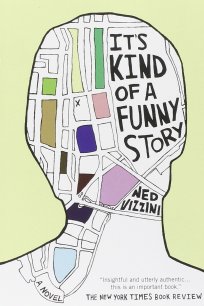
The relationship between myself and this book is remarkable. I can honestly say that I personally connect to it more than most other readers. This book is about a young man who deals with severe depression and one night decides to admit himself into the hospital after contemplating suicide. He then spends a week in a psychiatric hospital, learning things about himself and everyone else. Vizzini actually spent time in a psychiatric hospital before writing this book which makes it that much better considering he can grasp the inside look on what it’s really like. I, myself, have spent time behind the doors of a psychiatric hospital, and strangely enough my story started off almost the same way Craig’s did.

Perks of Being a Wallflower by Stephen Chbosky

Yet another amazing book that has the ability to bring tears to my eyes. The Perks of Being a Wallflower follows the story of Charlie, a freshman in high school who is struggling with depression and anxiety issues. Through letters, he talks about the good days and the bad, along with what is going through his mind. Charlie befriends Patrick and Sam who being to show him that it is okay to be different from everyone else.

Looking For Alaska by John Green

Looking for Alaska by John Green is a beautifully written story of a young boy who develops the nickname Pudge at a private high school where he meets and falls in love with the beautiful Alaska Young. So much happens while they are there together and he learns a life lesson. She teaches him to not be afraid of life, to go out and grab it because it can be a lot shorter than we expect.

Paper Towns by John Green

Paper Towns tells the heart-warming story of Quentin Jacobson who has secretly been in love with the girl next door, Margo. Margo taught Quentin a lesson which is the main reason I love this book so much – she taught him to go through life without being afraid of adventure. This is one of my top favorite books because I relate to Margo and her adventurous personality. I love Morgantown but I have always wanted to move somewhere where I can start completely over – the idea of recreating myself in a new place is thrilling.

410BrI9l37L._SY344_BO1,204,203,200_Skinny by Ibi Kaslik

Many teenage girls face a deadly mental illness – anorexia. Skinny tells the story of Giselle and how her battle with anorexia has flipped her life around. It also tells the story of her younger sister, Holly, and how her sister’s disease is effecting her life as well. The writing in this book was not my favorite, but it was still a great read. I love the idea that someone would want to put the issue of anorexia into words. My favorite part of the book, and the main reason it made my list of favorites, is the fact that it not only goes into the mind of the person facing the anorexia but someone close to her as well.

Afterparty by Ann Redisch Stampler

When I first started reading this book I didn’t think I would make it through but I’m glad I decided to finish it. Afterparty follows the story of a quiet girl who moves to a new town and decides it’s time for a change. She meets new people and gets to experience new and exciting things. This is something I have always wanted to do, which is why it made this list. Getting into a new place where you get to start completely over is more than exhilarating.

Everyday by David Levithan

Have you ever wondered what it would be like to be someone else for a day? To get inside of their minds and read their deepest secrets? A, the main character in Everyday, gets to wake up in a new body each and every day. To me, the idea of this is both terrifying and fascinating. When I was reading this I was thinking about the psychological aspects of this because I want to become a psychologist one day so I will be in people’s mind, understanding then, just as A does.

What other titles teach readers about life and how to live it?  Please add your recommendations in the comments!

Writing With Mentors: A Nonnegotiable of Writers Workshop

41dIMvzIynL._SX395_BO1,204,203,200_

WRITING WITH MENTORS by Allison Marchetti & Rebekah O’Dell

Reading Allison Marchetti and Rebekah O’Dell‘s Writing With Mentors is reminding me of the summer, three years ago, that I committed to making the move to readers and writers workshop.  Like my new friends in Franklin, Wisconsin, I already had many of the structures of workshop in place–I just didn’t know how to fit them all together.

As I read and wrote and thought beside the likes of Penny Kittle, Amy, Jackie, Erika, and my other UNH friends, I learned quickly which parts of my instruction to keep and tweak, and which parts to flat-out jettison.  While I felt like my reading workshop practices were solid, I knew I needed to completely rethink the way I designed writing instruction.

I wish I’d had Writing With Mentors that summer.

That summer, I learned that I shouldn’t be designing lessons around a staid form like a persuasive essay or a literary analysis.  I needed to begin thinking about having my students write authentic, interesting pieces on topics of their choice–but I didn’t know how.

img_0791

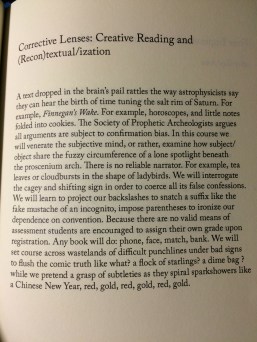
I immediately saw Gregory Pardlo’s DIGEST, full of prose poems, as a mentor text.

I learned how to read like a writer, how to look at the craft and structure of my favorite authors’ works.  I began to see mentor texts everywhere, and in fact too many places–I was exhausted by trying to keep track of everything I wanted to share with my students, and even resolved to read less as a teacher.  I wanted to offer a variety of rich mentor texts to my students without losing my mind–but I didn’t know how.

I learned that my writing process was as unique as my handwriting, and that process has value just as much as a written product does.  I wanted to restructure my unit planning, my gradebook, and my classroom routines to reflect that–but again, I didn’t know how.

Over three years, through trial and error, I’ve figured out how to reckon with a lot of those issues, but I would have known instantly had I read Writing With Mentors then.  This book succinctly showed me great writing units and products, how to plan for them, and how to select and organize current, engaging mentor texts.

img_0480

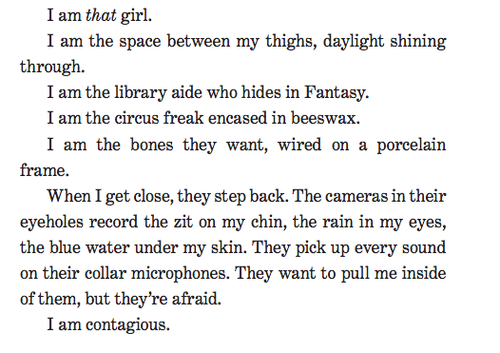
Books are at the center of my writing instruction–literally.

It reminded me that when we read–even to study the craft moves of a mentor author–we must read as readers first, for the “pleasures of story time” and to “hear the rhythms of good writing” (65).

It affirmed my habit of designing new units each year, complete with brand new mentor texts, to meet the needs of my current students and the sociopolitical climate in which we live and read and write.

It helped me cement mentor texts, alongside the writer’s notebook, conferring, and authenticity, as nonnegotiables of a successful writers workshop–because, in Allison and Rebekah’s words, “mentor texts enable complete creativity and individuality to emerge in student writing and writing instruction” (3).

And it reminded me that when students leave our classrooms, “mentor texts will always be present” (167).  When we teach students to write with mentors, they remain capable of reading like writers as they engage with print and media and other real-world texts.   Since getting my students to become lifelong readers and writers is my ultimate goal, this book is now an important mentor to me.

Writing With Mentors is the book to pick up when you put the textbook down, toss out your binders of writing rubrics, or throw up your hands when you read your 94th crappy plagiarized paper in a row.  If you’re seeking to rejuvenate, organize, and revamp your writing instruction, don’t undergo three years of trial and error like I did…let Allison and Rebekah help you write, more happily, successfully, and authentically, with mentors.

Have you read Writing With Mentors?  Share your feedback in the comments!


Best High-Interest Books for Teens

This year, Amy and I were determined to make our exams authentic.  One of the options for the reading portion of the exam was for our students to create top 10 lists, and many of them did.  Their lists are funny, honest, and so valuable for helping spread the word amongst readers about good books.  Below is Aleigha’s list of recommendations for high-interest books that will hook teens and get them to fall in love with reading–feel free to share them with your students!

img_1175Aleigha’s Top 10 List:  Best High-Interest for Teens
  1. Fangirl by Rainbow Rowell

Though this book was funny and lighthearted it still had the ability to change my life.  It really helped me realize that you should appreciate your siblings while they are close to you.  Seeing how quickly Cath and Wren distanced themselves in college put my relationship with my siblings into perspective.

  1. Eleanor & Park by Rainbow Rowell

This book is so much different from your usual love story. By that I mean it’s extremely realistic. It changed my life because I could picture myself as Eleanor. It was one of those books that are so realistic it’s kind of scary not many love stories can make you envision yourself as the character.

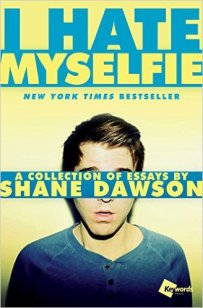
  1. I Hate Myselfie by Shane Dawson

hatemyselfieI have never laughed so hard while reading a book. This guy literally takes everything that should have been traumatic to him and turns it into humor. This book changed my life because it taught me that it is important to laugh at your own pain. You shouldn’t take everything so seriously.
  1. Looking for Alaska by John Green

This book for me is one that really set an example. It breaks away from the normal click of kids you have in high school and puts a group of complete opposites in a single friend group. That was one of my favorite things about this book. It just kind of made me feel like it’s okay for me to talk to the jock or the pothead.

  1. All the Bright Places by Jennifer Niven

This book is very eye opening. It is about two teenagers who bond over a mental illness and fall in love it. It makes you very aware of the signs of depression and makes you analyze not only yourself but others. This book has the ability to change lives because it teaches you about the sensitive topic of depression.workinprogress

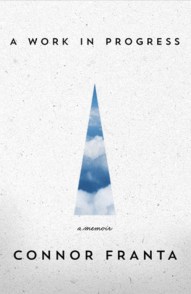
  1. A Work in Progress by Connor Franta

The author of this book is a Youtuber who tells you all about his life in high school and his YouTube journey. The book itself contains a lot of life lessons. He tells a story and then wraps it up with a lesson at the end. I enjoyed this book a lot because it shows how a normal really small town kid can become really successful with hard work.

  1. We Were Liars by e. lockhart

If we’re being honest, the only reason this book changed my life is because it just made me really depressed. I was just extremely upset once I reached the end of it. I didn’t want to believe what had happened was true and I cried for the main character. And then I cried because what other reaction can you have to a book that ended so terribly. So I guess this book changed my life because it made me realize that I cry more for fictional characters than I do for people I actually know.  

  1. The Fault in our Stars by John Green

Again another book that screwed me up emotionally. This one really does make you cherish your life and your friends. If after reading this you are not greatful for what and who you are blessed with that will be a surprise. Everytime I read this book I don’t just form my own imaginary relationship with Augustus Waters. I also find myself being very thankful that I have experienced little loss in my life.  This book is another one that puts it all into perspective.

  1. Every day by David Levithan

Every day is a book about a person who wakes up in a different body every day. He never has the chance to experience what it is like to have a family or best friend. This book is perksofbeinglife changing for me because it makes you appreciate the blessing of continuity. I think having a constant in your life is something that we all take for granted.

10. The Perks of Being a Wallflower by Stephen Chbosky

The Perks of Being a Wallflower is one of those books that make you really cherish your friends. Until you find out what happens to Charlie as a child, you assume the book is about a young boy coming out of his shell. As u read through the book, you experience the ups and downs of friendship and watch Charlie become a whole new person. This book has made me really appreciate my friends.

4 Monthly Challenges to Beat the Winter Reading Slump

New England winters lend themselves to steamy mugs of cocoa, plush blankets, and chilly evenings curled around a book.  Despite the ideal environment, halfway through the year, some of my students hit a reading slump.  The initial momentum of the reading initiative subsides, leaving students a bit more lackluster come second semester.

In turn, here are four challenges I plan to integrate over the next three months to beat the winter slump and reinvigorate students’ passion for reading.

1. January: Reading Bingo and Challenge Lists

The New Year, or for us, the second semester lends itself to fresh reading goals.  Goal-setting and self-reflection aside, I love reading challenges that push students to step out of their reading comfort zone and delve into new genres.  This year I comYA-Reading-Bingo-Challenge-2014piled a variety of reading challenge lists that I’ll be printing out on bookmarks to provide to my students.
I personally love the #26BookswithBringingUpBurns challenge, which has readers fulfilling challenges like reading “A book set somewhere you’ve always wanted to visit” and “A book with a color in the title.”  I’m also enjoying Rebeccah Giltrow’s BookaShelf 2016 Reading Challenge, which has participants base their book choices on the alphabet.  For example, “A” stands for “a book with an apocalyptical theme.”  Finally, Random House’s “YA Reading Bingo” is the perfect way to get students reading through rows of books while competing with one another to fill in a bingo card.

2. February: Book Trysts and Library Dates 

February lends itself to romance with Valentine’s Day, so to celebrate our book love, students will set up blind dates for some of their favorite books.  They will cover their choices in brown packing paper and write “dating profiles” including intriguing qualities readers will hopefully fall for.

In addition, students will participate in a library “date” with a friend from class.  Inspired by this “date night at the library” post by The Dating Divas, I created a list of entertaining and useful tasks and challenges for students to complete.  From “finding a book authored by someone with the same name” to “finding a book that has been made into a movie,” this friendly competition will put books in students’ hands while also promoting conversations revolving their reading.

3. March: March Madness and the Literary Hashtag Challenge

As March Madness approaches, my basketball students will be building teams and taking bets.  I know little about basketball…but I do know about books, which is why I’m hoping to create a March Madness that looks similar to Shana’s last year.  For those looking to create student-based teams, Principal Justin Cameron’s “Fantasy Reading League” at Frederick W. Hartnett Middle School gets the entire school involved in the competition together.

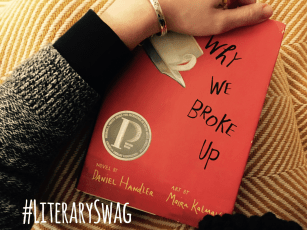
Finally, in March I will launch a new literary hashtag challenge that asks students to IMG_1801.PNGexhibit their reading lives outside of school.  Students will e-mail a Twitter or Instagram class account with literary images that include the following hashtags: #LiterarySwag (a hashtag for fashionistas who know books can serve as a stylish statement piece for any outfit), #Shelfie (a hashtag for beautiful bookshelves), #IReadEverywhere (a hashtag to highlight reading in unique places), and my favorite #BookFace (a hashtag that pushes people to be a bit more creative with their book covers).

By putting new books in students’ hands, I’m hoping to inspire a little competition, a lot of conversation, and a passion that will turn them into lifelong readers.


How do you reinvigorate students’ passion for reading?  What tips do you have to make it through the winter reading slump?


10 Pedagogical Must-Reads for Workshop Teachers

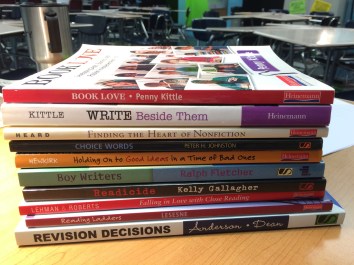
IMG_0650I met with my new student teacher a few weeks ago, and he asked me to borrow any books that might help him get going on the readers-writers workshop–the “theory” version of Jackie’s starter kit.  He’s been in my classroom before, so he knows the general routine and character of our work, but he wanted to know the ins and outs of how I thought and planned and conceptualized the whole thing.

I sat at my desk and looked at all of the titles I had on hand, remembering how influential reading them for the first time had been.  As a result, it was hard not to just dump my entire professional bookshelf onto a cart for him, but I managed to pick out a few titles that have guided me most adeptly in one aspect or another of my current classroom practice.

  1. Book Love by Penny Kittle – This was the book that helped to solidify my vision of an ideal classroom.  Before I read it, I had already been doing many of the best practices Penny mentions–writer’s notebooks, choice reading, personalized writing.  But I didn’t know how to bring it all together until Book Love.  As such, this is my #1 recommendation for any teacher looking to jump-start their individualized workshop curriculum.
  2. Write Beside Them by Penny Kittle – This book introduced me to the concepts of mentor texts, reading like a writer, and best draft/publication of writing.  I learned about quickwrites, constant revision, writing conferences, and a great deal more of what are now standard routines in my classroom.  This is the book for anyone curious about the big picture of writing instruction.
  3. Finding the Heart of Nonfiction by Georgia Heard – I was raised in the tradition of literature as containing mostly fiction and poetry, but Penny’s books helped me see the great value of nonfiction.  I wanted to know how to integrate it well into my thematic units, and this book helped me do that.  Georgia’s book is full of wisdom about finding the soul of good nonfiction writing and matching it to your students’ needs.
  4. Choice Words by Peter Johnston – This book taught me how to talk to students.  It is my #1 recommendation for anyone looking to address those pesky Speaking and Listening standards in the Common Core–this book teaches you about the delicate, volatile power of a few choice words between you and your students.  I re-read it every year, and it might be the most important book in this stack.
  5. Holding On to Good Ideas in a Time of Bad Ones by Tom Newkirk – This book is subtitled “Six Literacy Principles Worth Fighting For,” and Tom Newkirk certainly made me want to engage some of my former teachers in fisticuffs when I finished it.  This text is full of common-sense brilliance that will transform the way you think about why we teach reading and what kinds of texts we teach.
  6. Boy Writers by Ralph Fletcher – Why do my students keep writing about violent gun battles?  Why do they always ask if they can swear in their writing?  What’s up with the complete unwillingness of my boys to be vulnerable?  If you’ve asked yourself these questions…this book is for you.  Ralph writes about everything you ever wondered about boy writers and how to move them forward in their writing.
  7. Readicide by Kelly Gallagher – Schools have been killing reading for many years, Kelly argues, and then presents ways you can stop the slaughter.  He fires away at pop quizzes, assigned chapters, multiple-choice tests, and all the practices that steer our students toward SparkNotes.  Then he reveals ways to get students authentically engaging in literature in a way that doesn’t kill their love of reading.
  8. Falling in Love with Close Reading by Chris Lehman and Kate Roberts – After finishing Readicide and wanting to abandon the eight or so whole-class novels I once felt chained to, I wasn’t sure how to teach close reading skills.  This book answered that question for me, and more.  Chris and Kate reveal how to use poems, articles, short stories, and selections from novels to get kids interacting with the beauty and power of language in all kinds of texts.
  9. Reading Ladders by Teri Lesesne – When all of your students have finally found a book they will actually read–then what?  Teri Lesesne taught me how to help students climb a reading ladder of text complexity with this book.  It’s a tough battle to get all kids reading, but it’s even tougher to get them to all challenge themselves once they are.  Reading ladders are the solution to the increasing complexity question–now they’re a consistent part of my instruction.
  10. Revision Decisions by Jeff Anderson and Deborah Dean – After reading the first nine books on this list, I still wasn’t sure where grammar instruction fit in.  I knew to have students read like writers and learn from language and sentence structures that way, but I wasn’t sure how to structure my mini-lessons, until I read this book.  Jeff and Deborah helped me find strong craft study lessons and bring them into the classroom in a way that appealed to students and also benefited them immediately in their writing.

This is by no means an exhaustive list–That Workshop Book by Stephanie Harvey, Read Write Teach by Linda Rief, The Book Whisperer by Donalyn Miller, and many other integral titles were simply not on my shelf when I gave this stack to Mike.  But these top ten are ones I wouldn’t be the same teacher without.

What other titles are essential to your practice?  Please share in the comments!

Update:  Here are must-read folks that readers have suggested via Twitter and Facebook, as well as in the comments:

  1. Lucy Calkins
  2. Nancie Atwell
  3. Linda Rief
  4. Katie Wood Ray
  5. Donalyn Miller
  6. Don Graves
  7. Donald Murray
  8. Peter Elbow
  9. Ariel Sacks
  10. James Moffett
  11. Louise Rosenblatt

#FridayReads: 8 Stocking Stuffers That Will Change Your Classroom

While I love the beautiful handmade gifts of my students the most, there are a couple untraditional stocking stuffers that I’m putting on my Christmas wish list this year.  These are the tried and true tools that somehow keep my classroom just a bit more sane during those hectic moments (like the days leading up to holiday break).  So in the last eight days before Christmas, here are eight stocking stuffers for a colleague, teaching friend, or even yourself!

  1. Headphones: This was the greatest gift my cooperating teacher gave me. His secret was to always keep extra sets of ear buds handy.  To this day, I stock up on cheap headphones from Marshalls (and alcohol wipes to clean them) at the beginning of the school year. Oftentimes it helps some of my antsier students tune out their surroundings and dial into their writing.
  1. Crazy Aaron’s Thinking Putty: Amy bought this for me this past candy-cane-9summer, and it is a miracle worker.  I initially brought it in for a student who has severe ADHD.  He was oftentimes overstimulated by his peers.  Playing with the thinking putty changed his behavior drastically.  What I love most is the thicker viscosity of the putty keeps students more engaged…and it comes in holiday colors, including white christmas, gelt, and candy cane.
  1. Conferring Chair: I wrote about my conferring chair here, but I cannot stress enough what an impact having this chair has had on accessing my students within the classroom. Last year I spent time kneeling next to students or awkwardly standing over them as they sat at their desks. Purchasing a conferring chair that was lightweight, foldable, and small allowed me to discreetly enter conversations, conference with students, and set up mini workshop areas throughout the classroom.
  1. Awesome Citations: I love giving my students small pick-me-ups, 12098_Awesome_1which include these quirky “awesome citations” I found at a novelty shop. I enjoy filling them out, leaving a small note at the bottom, and either tucking them into writer’s notebooks or dropping them off at unexpected times.
  1. Writing Prompt Books: As the advisor of Writer’s Club, I can’t get enough of writing prompt books like The Writer’s Block: 786 Ideas to Jump-Start Your Imagination by Jason Rekulak, 642 Things to Write About by the San Francisco Writers’ Grotto, and 100 Quickwrites by Linda Rief. Not only do I pull them out during club meetings, but I use them as inspiration for class quick-writes, or to begin brainstorming for independent writing pieces.
  1. Magnets: Magnets might not be on the top of your wish list, but they are exceptionally convenient when it comes to students’ presentations of writing, artwork, or posters. Odd, yes, but I love when my students can present hands-free without the awkwardness of holding large posters or pictures for other group members.
  1. Coloring Meditation Books: I love keeping photocopied pages from coloring meditation books on hand for spare moments. Not only are they calming for many students, particularly those with anxiety, but 51N8TdfrZ6L._SX331_BO1,204,203,200_they are also great for extra time during club meetings and advisory or homeroom periods…or, as one of my students said, “My mom loves doing those when she drinks wine.” That is always an option for tired teachers too.
  1. My True Love Gave to Me: High school English teachers (and their students) will love this anthology of Christmas stories from top YA authors including some of my favorites, Rainbow Rowell, David Levithan, and Matt De La Pena!


What is on your teaching wish list or gift list this season?


#FridayReads: 7 Author-Talks Students Love

IMG_0473

This week’s author-talks

As my students and I returned from a full nine days of Thanksgiving break this week, getting back into the groove of workshop was tough–for all of us.  I was totally whacked out from frantically finishing NaNoWriMo, and the kids were all out of sorts from too much turkey and not enough routine.

I needed something that would hook them back into the magic of reading and writing workshop–wonderful books, but more than that…wonderful authors who write those books.  So this week and next, my booktalks are all author-talks…book pairings by high-interest authors students love, whose stories captivate and amaze and inspire.  Here are seven book pairings by the same author that are insanely popular with my readers.

Rainbow Rowell, Fangirl & Carry On Fangirl goes over well with my seniors for two reasons–one, it was drafted during NaNoWriMo, and two, it begins on the first day college for the main character, Cath.  Cath is an unabashed fangirl who writes her own fanfiction–and that’s where Carry On comes in.  Carry On is the fanfic that Cath spent most of Fangirl writing.  For a generation who grew up reading as many alternate-ending fanfics for Harry Potter as they did, this unique pairing is a instant hit.

Inside-Countdown-2

Inside Countdown

Deborah Wiles, RevolutionCountdown – Penny Kittle has been singing the praises of Revolution for two years now, first at UNHLit and then again this year at NCTE.  It’s a brilliant multigenre novel that blends photos from the sixties with the narrative of a girl struggling to deal with that tumultuous time in history herself.  Countdown, the first book in the series, is even more popular with my students than Revolution is.  The series helps bring to life something they study in history class again and again, all in a unique, compelling format.

Chris Lynch, Freewill & Inexcusable – The award-winning Inexcusable tells a story of sexual violence from the perpetrator’s point of view.  Kids are compelled by this tale’s unique presentation of a controversial event, and it helps boys and girls alike gain a new perspective on an act that is often discussed but rarely experienced.  After they read Inexcusable, I recommend the Printz-nominated Freewill, the story of a boy who is oddly compelled to create totems in his wood shop class after a rash of local teens begin committing suicide.  Themes of grief, guilt, and creative outlet make this one a hit with my students too, as does the unique fact that it’s told in second person point of view.

wintergirls

Inside Wintergirls

Laurie Halse Anderson, The Impossible Knife of Memory & Wintergirls – Most students at our school read Speak in ninth grade, and they begin to appreciate Laurie Halse Anderson even more when they read Wintergirls, the story of a teen who battles bulimia and anorexia.  The writing in this book is stunning, and the plot is compelling.  When kids finish this un-put-down-able book, I recommend The Impossible Knife of Memory, in which a teen girl struggles with her father’s PTSD after his return from Iraq.  The novel hooks both boys and girls, as it follows both the father and daughter’s struggle.

Matt de la Pena, The Living The Hunted – In The Living, Shy is excited to get a job on a cruise liner…until “The Big One”–a major earthquake on the Pacific coast–hits.  Most of the passengers and crew aboard the cruise ship are killed, save for a few, including Shy, and a few people also on the dinghy he clings to for life.  When Shy learns a secret that people will kill for, he goes from just being one of the living to being one of the hunted.  This believable suspense series hooks my students.

Screenshot 2015-12-03 at 4.18.48 PM

Inside Symphony for the City of the Dead

M.T. Anderson, Feed & Symphony for the City of the Dead – I learned about Symphony for the City of the Dead, a powerful book detailing the siege of Leningrad during World War II, while standing in line to register for ALAN.  Kim McCollum-Clark told a few of us teachers and librarians about this amazing story, which pairs gripping exposition with historical photographs from the time period.  Amid brutality, Dmitri Shostakovich wrote a symphony for his dying city that uplifted both its citizens and the Allied forces working to free them.  The spies and death and music of the book intrigue my students, and I recommend to them Feed when they finish.  Feed is eerily plausible, the story of a future in which smartphones aren’t in our hands, they’re in our heads.  The feed contains advertisements, social media, news, sports, and anything we currently look at on our phones–all behind your retinas.  When an accident disables Titus’ feed, he struggles with life beyond the feed, and it’s a haunting cautionary tale my students are compelled by.

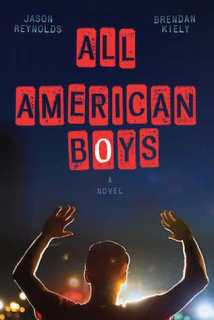
Jason Reynolds, The Boy in the Black Suit & All-American Boys (with Brendan Kiely) – I picked up The Boy in the Black Suit last year at ALAN, and this year I scored All-American Boys after Amy’s recommendation.  In Black Suit, the main character wears a black suit every day for his job at a funeral home, although his peers think it’s some weird tribute to his mother’s recent death.  Matt feels like he is barely getting by until he meets Lovey, who is a model of strength despite dealing with even more tragedy than he.  All-American Boys is a timely novel that alternates between points of view of Rashad and Quinn as both boys–one black, one white–deal with an incident involving Rashad, a fist-happy cop, and Quinn as a witness.  It is haunting and beautifully written and incredibly eye-opening for my readers.

What author-talks are guaranteed to engage your readers?  Please share in the comments!

#FridayReads A Must-Read Book: All American Boys

I saw a tweet last week that read something like this:  “What if you look like the people others are afraid of?”

The context was the Syrian refugees, I’m sure. The terrors in Paris blasted the news. So many dead. So many injured.

So many with no place to go.

My heart hurt, and I am not sure about the timing, but I’m quite 25657130sure God told me to read the book All American Boys by Jason Reynolds and Brendan Kiely, the story of two American teens who attend the same high school:  one white, one black. Both with families who love them. Both caught in a situation that represents many we’ve heard over and over again:  “the repercussions of a single violent act that leaves their school, their community, and, ultimately, the country bitterly divided by racial tension.”

For the past couple of weeks my students and I have read some of the writing of Leonard Pitts, Jr. We read his work to learn to become better writers. Among others, we read “We need a better plan to probe police shootings,” and “We don’t want to watch police — but we have to.” We talked about Pitt’s message, and we analyzed his craft.

We questioned what we know has happened way too often, and we shared ideas and opinions about how the actions of some affect the lives of many.

We sat in a circle: Black and White and Chin and Mexican. We talked. And listened. We tried to understand.

All American Boys is a story for every classroom library. It’s a story for every classroom teacher. Every administrator. Every parent. Every police officer.

We must invite candid stories and candid conversations about race into our learning environments. How else will we ever learn to see past color into hearts and minds and hope?

Booklist Starred Review states: “. . .this hard-edged, ripped-from-the-headlines book is more than a problem novel; it’s a carefully plotted, psychologically acute, character-driven work of fiction that dramatizes an all-too-frequent occurrence. Police brutality and race relations in America are issues that demand debate and discussion, which this superb book powerfully enables.”

If you add one book to your reading list this fall, I hope it is All American Boys. It ranks right up there with Forgive Me, Leonard Peacock for books that will stay with me forever.

I need about 10 copies for my classroom library.

#FridayReads: 6 Ways to Stir Up Your Daily Book Talk

I’m not sure if it is because we are on the cusp of cold weather or that we just ended quarter one, but my students are dragging.  They rub their eyes more in the morning, carry in larger cups of coffee, and stoop a little lower in their chairs.

This lethargy seeps into even my strongest classes, which is why I like to change up my approach to book talks from time to time to re-energize students before they dive into their independent reading books.  Here are five ways I stir up my book talks.

  1. Musical Chairs: Music is naturally energizing and I love getting books in students’ hands FullSizeRenderquickly. This is “played” like typical musical chairs, the main difference is that students who sit in a chair also get to look at the book that has been placed on the desk behind them (I have separated desks and chairs so I face the chairs outwards).  The student left without a chair writes a “mini-book talk” on the board, which includes the title of the book they have read this year, the author, how many stars it would receive out of five, and a quick sentence to get readers interested.
  2. Group Book Talks: Getting students chatting about books is one way to ramp up energy at the start of class. My desks are grouped into fours, so students turn to their group members and book talk their current book (or a book they read prior).  Oftentimes there are repeat book talks from books I previously shared, but I reiterate the value of multiple perspectives and opinions.  What others notice as readers might be something I never thought to share.
  3. Guest Book Talks: I’ve spent years chatting with my favorite library staff about new YA books,FullSizeRender-3 but sadly it didn’t dawn on me to tap into their brilliance until this year.  Our phenomenal librarian Kathy Vetter book talked Between the World and Me by Ta-Nehisi Coates to my AP Literature students, and our AV and computer lab guru, Melissa Ciotti, book talked Little Brother by Cory Doctorow to my freshman classes.  By the end of their visits, all copies had been checked out of both the classroom and school libraries.  Next up, I have a PE teacher…and hopefully our principal! Students need positive reading role models in all of their educators.
  4. Speed Dating: I have mentioned speed dating with books multiple times before, but it is one of my favorite ways to get books off my shelves and into my students’ hands. I typically put the desks in a circle and have students rotate the books every minute or so, but I love Amy’s approach as well.
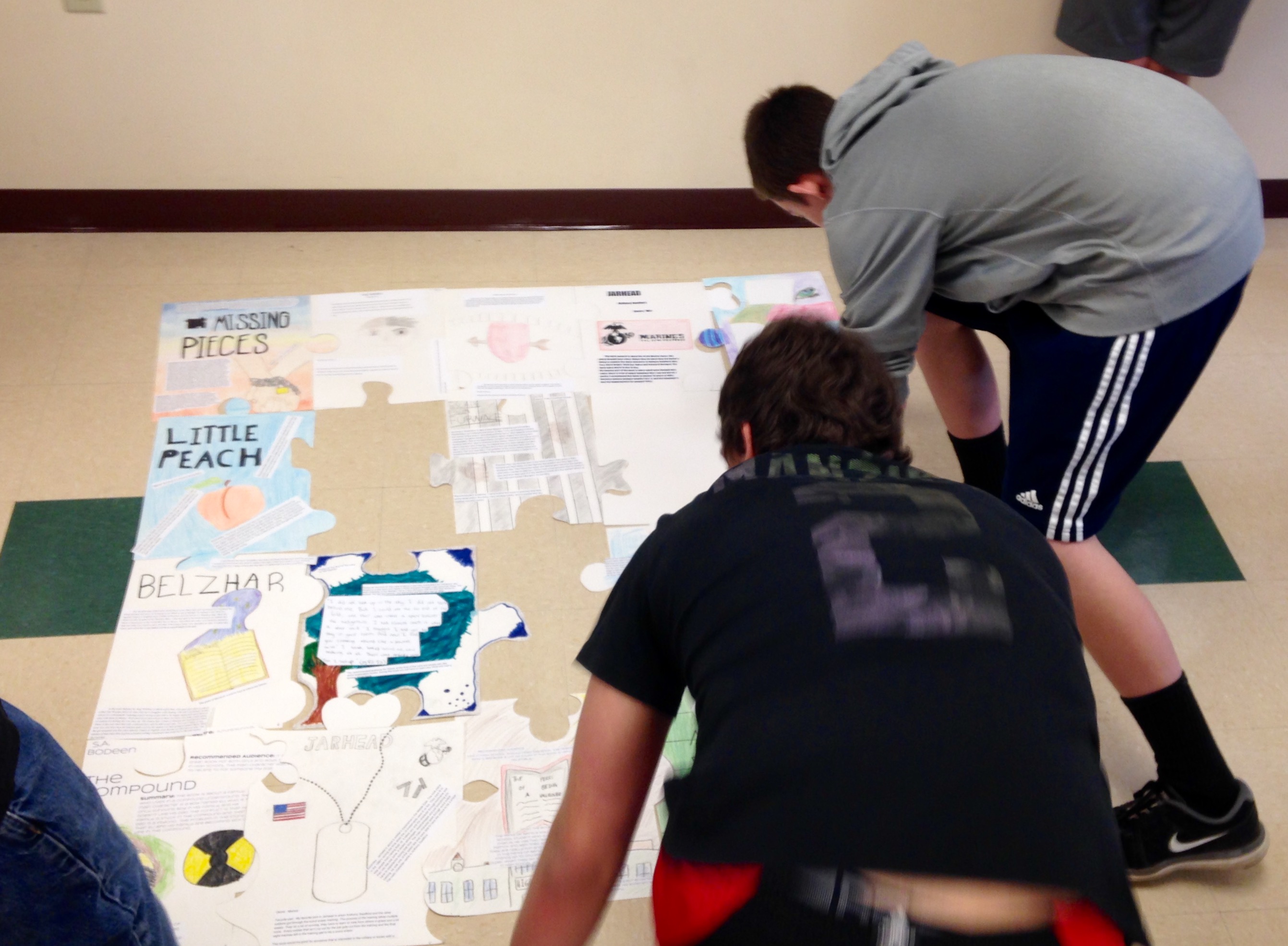
  5. Book Talk Puzzle: This is a longer project, but I love the final product.
    Students piece together their final book talk puzzle.

    Students piece together their final book talk puzzle.

    Students write out book talks on large puzzle pieces.  I have students discuss their favorite parts of the book and to whom they might recommend it.  Finally they draw their favorite scene, symbols, or images from the book.  Once the puzzle pieces are complete, we share our final products, build the puzzle, and put it on display for our peers.

  6. Book Trailers: I had my Advanced Composition students complete book trailers last year. The final films were phenomenal and provided excellent material for this year’s book talks.  I oftentimes play the film for my students then read an excerpt to expose them to the language.  There are some brilliant book trailers here and sprinkled across the Internet and TTT.

What do you do to change up your book talk schedule during the year? What are some unique ways you introduce your students to various titles?

#FridayReads: 14 Titles My Students Always Re-Read

NCLast week, Dylan looked at me with utter dismay when I told him that I still didn’t have the third book in the Maze Runner series.  Then, he brightened.  “I was actually kind of confused about some things that happened in The Scorch Trials.  Can I re-read it while I’m waiting for the third book to get returned?”

“Of course,” I agreed.  Musing, I jotted down some titles in my notebook that I wanted to re-read–my usual favorites, of course, but also books I’d only read once and had just loved–The Night Circus, Station Eleven, Zeitoun.  It made me wonder about what other books students wanted to re-read, so this past week, I asked them about it during conferences.  Lots of titles emerged, and I soon saw a pattern emerge–there were four reasons why they wanted to read particular books again and again.

HPSeries.  It quickly became apparent that if a new book in a series was coming out, re-reads were necessary.  “I’ve read the whole Harry Potter series three or four times,” Ryan told me.  “I understood all the hidden references and more about the characters the second and third times.”  Olivia agreed: “Those books are so complex there’s no way to understand everything in them the first time you read them.”

Anna read the whole Percy Jackson series twice “because I was in middle school and the struggle was real in finding books I enjoyed.  So I just re-read ones I knew I enjoyed!”

Shailyn read the Twilight series twice, and is reading it again now for the third time since the 10th anniversary editions were just released.  “I just loved the story,” she said.

Books that were being made into movies.  Mylana was adamant about this category: “I had to re-read Paper Towns really quick before the movie came out so I could tear it apart with how it didn’t compare to the book.”

Kaylee laughed and agreed: “I re-read The Fault in Our Stars for the same reason!!”

EPReally gripping stories.  “American Sniper was tough to re-read, but I did, because the story was so powerful.  I just wanted to experience it again,” Ryan said.

Eleanor and Park was the most beautiful love story I’ve ever read,” Olivia said, “so I’ve read it three times!”

“I re-read All the Bright Places, because it was probably the best book I’ve ever read,” Shailyn said.

“I read The Giver and The Help twice because I wanted to pay more attention to the moral story line and internal struggle in all of us that was portrayed so candidly in those books,” Anna said.

AFBooks they were assigned in school.  Mockingbird was popular in this category: “I’ve read To Kill a Mockingbird numerous times because it’s my favorite, it’s a classic, and because I discover new details about the trial and Boo and Atticus each time I re-read it,” Olivia said decisively.

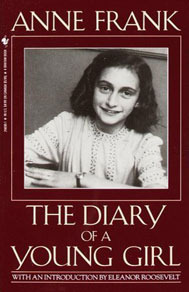
“I re-read The Diary of Anne Frank because I read it first as an assignment, but then re-read for fun because I wanted to think more about her time period vs. ours,” Mylana said.

“I had to re-read The Book Thief after it was assigned to me because I just wanted to focus on the storytelling the second time through,” Jonathan agreed.

What titles do your students (and you) love to re-read?  Share in the comments!