
If you advocate for student-centered learning via RWW, we’d love to have you as a guest blogger. Email Amy@threeteacherstalk.com
A year ago, Olivia launched a new school year of freshman English — classroom stocked with a library of over three hundred fresh titles. The first day of school was filled with getting to know her new students and getting them to know some of the books they could choose to read. She knew that all of her students wouldn’t find the right book on the first day, and she had planned regular “book tastings” over the first three weeks of school, patiently making plenty of space to build community and establish the routines of a student-centered Readers-Writers Workshop model of instruction and learning to invite choice and voice, and to distribute ownership to growing readers and writers in order to systematically build independent habits for reading, writing, communicating, and thinking.
However, on this first day of school, Olivia noticed a student named Mia slip into a familiar reading zone—a book had hooked her. While the other students in class spent time exploring several books, trying them out—frowning, smiling, confused, interested—Olivia noticed Mia turning page after page, lost to the classroom around her. Shyly, at the end of class, Mia asked Olivia if she could take the book home. Olivia warmly assented, marveling at the immediate connection Mia made to this book while wondering what exactly it was that sparked it.
The next day, Mia walked into class and immediately began reading the book again. 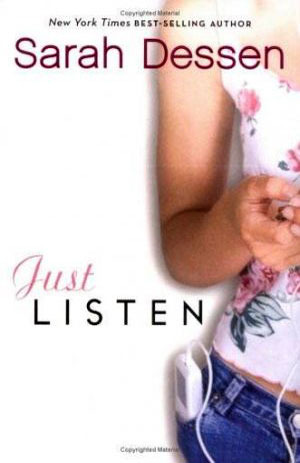 Olivia noticed that Mia must have been reading last night as well because she was nearly half-way through the book. Excited, Olivia sat next to Mia and asked her how she was liking the book and what really drew her to it. Quiet at first, Mia emotionally explained: this was the first time she’d read a book with a character struggling with an eating disorder — just like her. This gave her the courage to tell her parents about her own disorder for the first time, last night, after struggling with and hiding it for the past six years.
Mia went on to tearfully ask if she could continue to talk to Olivia about her experience in class, as she read the book and processed; she knew that this would be an emotional challenge for her. After a hug, Olivia explained that that was one of the most important things they would do in class this year: talk and write and share (when ready, because—writers make choices about sharing) about the issues and reality that impact their lives and the world around them.
Books help us see, understand, and talk about things deep inside us that we either don’t recognize or try to ignore. Providing teachers and students with a robust classroom library may be the most meaningful support we can offer to this end.
Writers address real issues, and our student readers and writers can, too. When we put the books that contain the real issues—the authentic, relevant, enigmatic issues—that humans are not able to escape into our students’ hands, heads, and hearts, we teach our learners to confront them and give them tools that lead to empowerment.
Billy Eastman is a curriculum coordinator for English Language Arts and World Languages and Culture in League City, TX. He enjoys talking with folks and finding ways to make smart ideas happen. Follow Billy on Twitter @thebillyeastman

 Here’s the thing: Finding engaging mentor texts, whether to integrate current events into lesson plans or use them to teach reading and writing skills, requires us to be readers of the world.

 trouble with her mom and dad for running away instead of coming when they called her. She’d had a scuffle with her little brother and didn’t want to stop playing long enough to get a talking to. (I can’t say I blame her. No one likes thinking they are in trouble.) After a dose of parental guidance and a tad of time, I knelt beside Elle and asked if we could talk. She melted me.
 It can be emotionally exhausting.



 been in love with all things literacy and education for as long as she can remember. She believes to share that love with students and teachers has been the greatest of honors. She says, “I am proof that literacy and education can change a person’s destiny in the best ways.” Along with being an instructional coach and teacher, Bridget is also the mother of one adorable book-loving little boy and the wife of one giant man-child. Her life goal is to love like Lizzy Bennet, fight like Harry Potter, and live like Atticus Finch. Follow her on Twitter

 Which also means students need access to high-interest engaging books they want to read. Lots of access. And teachers need to read these books, not just so they can help match readers with books — but to use them to teach literacy skills.


 Three Teachers Talk