Penny Kittle recently shared this article about the diminishing attention span of humans, thanks to the plethora of instant-gratification stimuli that burdens our plugged-in students. I was reminded of my vow to help my kids simplify their lives, slow down their minds, and just…be.

The unit plan Mike and I designed
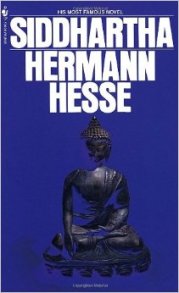
All of this led my student teacher, Mike, and I to design a unit plan around mindfulness, reflection, and deep thinking. We wanted to use all of Siddhartha, parts of Hamlet, articles like the one above, various poems, the music of Cat Stevens, activities like contour drawing, and exercises like meditation to help our students slow down and explore their minds.
So, today we’re launching this unit of self-reflection and self-exploration, and one of the first mini-lessons we’ll teach is a reader’s response to “The Eight Second Attention Span” article.
Objectives: Using the language of the depth of knowledge levels, students will identify patterns in Egan’s writing that align with our unit theme, cite evidence in the text of those patterns, and synthesize Egan’s argument with our prior readings. Or, from the Common Core: students will read closely to determine what the text says explicitly and make logical inferences from it; cite specific textual evidence when writing or speaking to support conclusions drawn from the text.
 Lesson: We’ll pass out copies of the article for students to read and annotate, and they’ll also have their writer’s notebooks out.
“First,” I’ll say, “let’s read this article and just identify Egan’s argument. What is he saying? Underline or highlight key lines or facts that help make his point.” We’ll read and annotate together, me using the document camera to model.
“Once you’ve figured out what Egan is saying here, go ahead and jot it down in your notebook in your own words. What’s the gist of what he’s talking about?”
After the jot, students will talk in their table groups about the article and what they’ve noticed. We’ll share out as a class and make sure our thinking is in sync.

Nonlinguistic storytelling through doodles–one of my proposed solutions from my response. We’ll do this exercise later in the unit.
“Okay, so Egan ends by offering two solutions to this problem. What are they?” Gardening and deep reading, students will offer.
“Let’s write a response for a while in our notebooks and brainstorm what our own solutions to this problem would be.”
We’ll all write, me modeling once again on the document camera. Then students will share in small groups what their proposed solutions are.
Follow-Up: I’ll ask students to practice one of their two proposed solutions are over the course of the week, then request a one-pager reflecting on the experiment. We’ll apply our reading of the article, our practice of deep thinking, and our reflection on all of it to our unit of study as we move forward in our exploration of our themes.


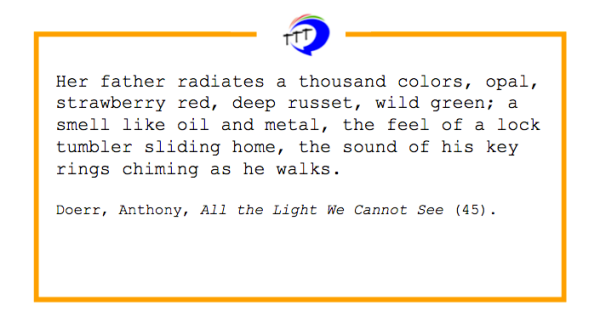


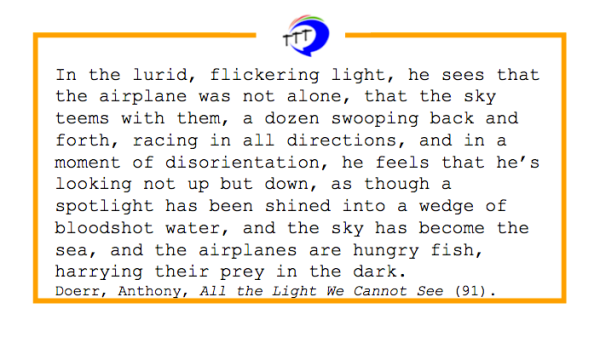

 This year I experimented with literature circles to not only explore four of the popular whole class reads associated with our ninth grade curriculum but to also inject some choice into the required reading. This was my first time attempting literature circles and while I recognized the potential struggles, my hope was to inspire open conversations about these complex and challenging texts. In the past, class conversations with my students were dead and lackluster. They were oftentimes reduced to leading plot-based questions. This year though, I couldn’t take a second quarter of policing reading, empty conversations, and painful silences, which meant I opened class time to small group conversation and taught reading skills through mini-lessons. My classroom shifted from teacher-centered lessons on books to student-centered conversations on reading.
 I typically like to use novels I am currently reading and/or studying to model my analysis of plot. This year I discussed Invisible Man by Ralph Ellison as an episodic novel since I am studying it with my AP Literature students. Other options include previously studied short stories, whole class reads, or popular novels-turned-films.






 Three Teachers Talk