Last week, I filled up more pages in my notebook in four days than I did in the last six months combined.
What the heck were you writing about, you ask?
Why, #NCTE16, of course. The annual Mecca of English teachers, where we get to speak, listen, read, and write all about what we’re passionate about: students and learning.
I wrote down amazing ideas.
Pressing questions.
Inspiring quotes.
Endless book recommendations.
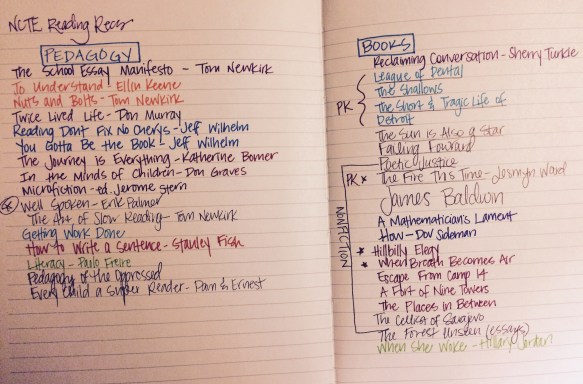
I wrote down a lot of beauty and hope and happiness, but I also heard some scary things, and I wrote those down too.
Things like teachers reading To Kill a Mockingbird–OUT LOUD! THE WHOLE THING OUT LOUD!–to their classes over the course of eight weeks.
Things like spending six weeks on a memoir unit only to produce–wait for it–six-word memoirs, and nothing more.
Things like hearing Harvey Daniels questioning whether to let students talk with one another for fear that they’ll be too hard to quiet down.
Aaauuuurrrrrrrggggghhhhhh.
I just read Peter Johnston’s Opening Minds, which centers on the philosophy of getting students into a dynamic frame of thinking–a mindset in which all things are changeable, and that nothing is static. So, maybe I heard some things that troubled me about what’s going on in education in America, but if I think like Johnston wants me to, then I know we’re just not where we need to be…yet.
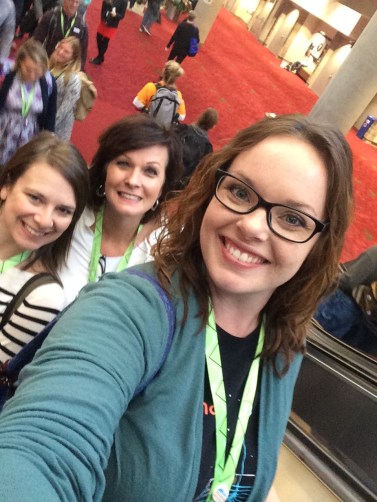 I talked with my writing friends about this. Amy, Lisa, and I spent so many lovely hours together squeezing in conversation wherever possible–escalators, restaurants, hotel rooms, Ubers, the NCTE exhibit hall. We thought, talked, wondered, worried, questioned, and quested. We wrote down many pages of ideas for Three Teachers Talk.
In our conversation about those cringe-worthy teaching practices I overheard, we wondered this: why are so many teachers afraid to change? Why are we so glued to the ‘way we do school’ historically? Why, when we brainstorm ideas, do we wonder what can go wrong instead of wondering what can go right?
Change is good, people!
We wondered–to reframe the thinking about what secondary English classrooms look like, what do teachers need?
We examined our own practices to answer this question. We found that we each relied on four things to make decisions about the learning in our classrooms:
- Research-based best practices.
- Examples of other classrooms that look like ours.
- Specific strategies and assignments to try out.
- Conversations with like-minded friends about our ideas.
And we asked ourselves: is Three Teachers Talk answering these questions?
Perhaps, incidentally, we were, but we wanted to be more deliberate. So, we’ve made it our goal to approach those themes more regularly.
On Mondays, we’ll share our responses to the research we read, the quotes we hear from educators, or the ideas we have in our notebooks.
On Tuesdays, we’ll continue to share specific strategies, mini-lessons, and quickwrite ideas we’ve tried out.
On Wednesdays, we’ll converse together in a #3TTworkshop format and share writing from our friends in the form of guest posts to show a variety of perspectives on common ideas.
On Thursdays, we’ll share examples of what’s going on in our classrooms–stories about students, successes, failures.
We hope you’ll find our freshly-framed writing helpful and thought-provoking, just as we found the things we heard at NCTE to be. Please join the conversation in comments, on our Facebook page, on Twitter, or via guest post. We’d love to hear your voice!





 Science –
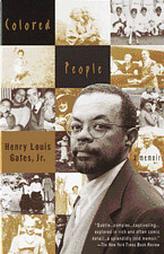 Colored People, Henry Louis Gates Jr.’s biography of growing up black in rural West Virginia during the Civil Rights movement. It’s a book that hooks my students because of its ties to our home state, but it’s universally appealing in that Gates creates a colorful cast of characters early on in the book, most of whom he defies in order to graduate summa cum laude from Yale University.
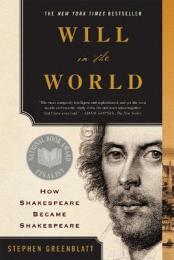 Will in the World, written by everyone’s favorite long-winded Shakespearean scholar Stephen Greenblatt, brings William Shakespeare to life in this detailed biography of both the playwright and his Elizabethan London. I love reading this book as a shameless English nerd and London-lover, but my students love it because it’s a classic tale of an average guy succeeding against all odds.
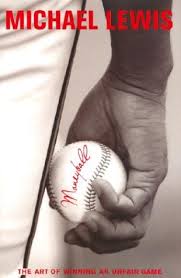 Moneyball, one of Michael Lewis’ earliest books, hooks students often because it has a great movie adaptation to accompany it. But when you sit down with the book itself, it blends both narrative and statistics, the least “mathy” part of math that I can understand.
 However, I have been able to sharpen my powers of observation, and through these observations I’ve been able to deepen my sense of the readers I work with.
  When students have an opportunity to read in class, I observe body language. Different readers have different methods of getting physically “into” a book. Some fold the book in half like a newspaper and bring the book inches from their eyes. Others put their heads on their desks. To the untrained eye, teen readers can look slouchy, lazy, or inches away from napping. These are students who have entered what Nancie Atwell calls “the reading zone” — they are so immersed in a story that they are lost to the outside world and are unaware of how others are perceiving them in that moment.

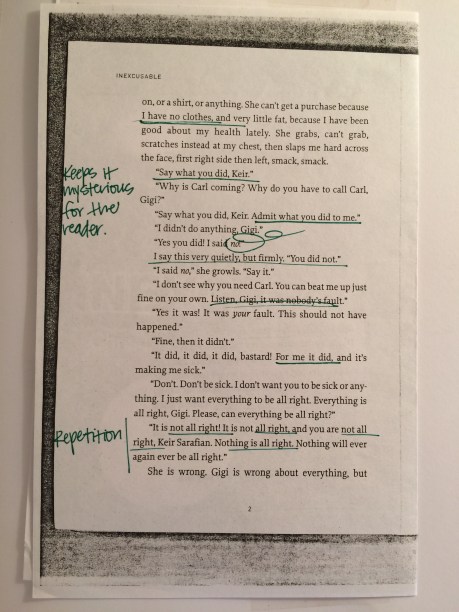
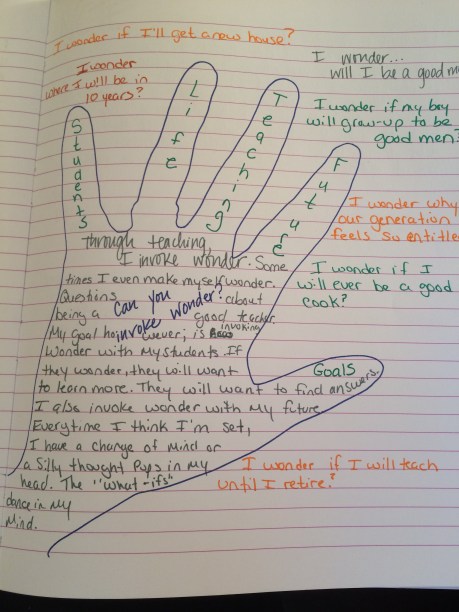
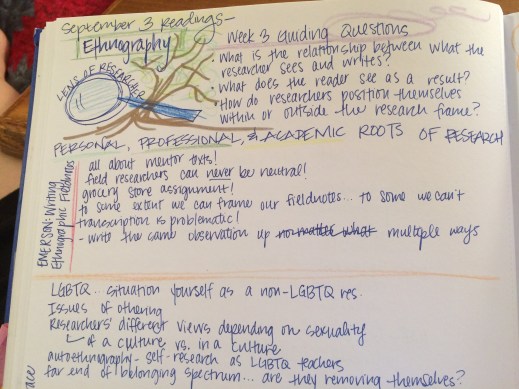



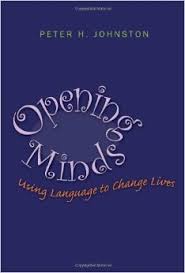 I’ve been reading Peter Johnston’s excellent Opening Minds with my preservice teachers, and it’s a must-read. One of the skills Johnston says the most open-minded students possess is that of social imagination, or being able to understand “what others are feeling, to read people’s faces and expressions, to imagine different perspectives, to make sense of abstract ideas, and to reason through this.” In other words–empathy on all levels. It strikes me that this is both a reading skill and a life skill.
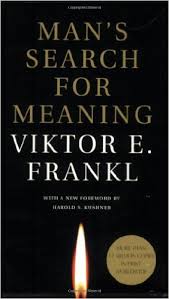 The next day in class, we’ll refer back to the article before beginning independent reading time. “As you read today, pay attention to the characters in your book–are their lives more happy, or more meaningful?”
 This summer my social media has been clamoring about content warnings and safe(r) spaces within an academic community. To what extent do we as educators bear responsibility for how our students respond to the material we may present to them?
 Also interesting was that what I know about my readers’ personal lives didn’t always square with what they wrote about their reading topics. Some of my readers seem to want to read books that mirror their real-life struggles. Others want to veer far away from those topics.
 If your readers have ever played fantasy sports or filled out a March Madness bracket, they’ve experienced the same feelings that book lovers do over awards announcements. And just the way sports fans are making predictions about championship winners all season, readers spend all year making predictions about which books will win which awards.
 Pleasant Surprises:
 Three Teachers Talk